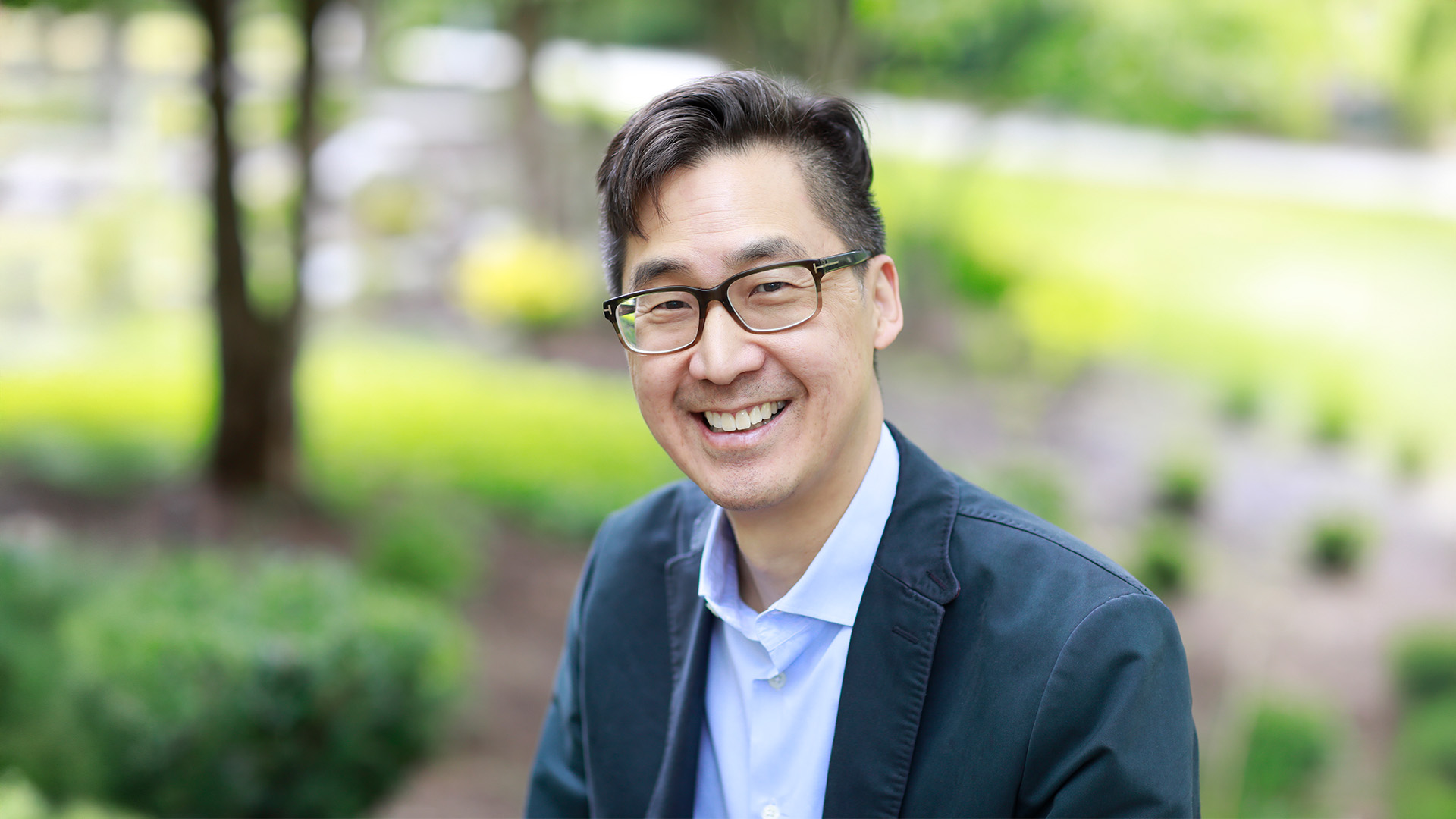

Healthcare workers are drowning in paperwork. Anyone who has been to a doctor recently has seen it firsthand. You try to explain what is wrong while your doctor types nonstop, barely looking up from the screen. This is not what clinicians envisioned for their careers, and it is certainly not the experience patients want. David Rhew, Global Chief Medical Officer and VP of Healthcare at Microsoft, believes AI can fix this problem, and not years from now. It is already happening.
Highlighting the Real Cost of Documentation
Walk into almost any clinic and the pattern is the same. Doctors juggle conversation and documentation, entering every detail into the electronic health record. The burden is draining and contributes heavily to burnout.
Rhew has watched this trend worsen. “AI is helping us to remove a lot of those administrative tasks that normally would require a clinician to, for instance, enter documentation into the electronic health record,” he explains. The key is what the AI generates. “It is not even just a transcript. It is actually converting it into a note.”
That distinction matters. Instead of raw text, clinicians receive structured, usable medical notes. “It saves the clinician time and allows them to focus on the patient. And patients love it.” The impact is clear. Doctors feel more present. Patients feel more heard. Burnout drops. The appointment becomes a conversation again instead of a typing exercise.
Introducing Tech That Stays Out of the Way
The technology driving this shift is called ambient listening. The concept is simple. AI listens to the doctor patient discussion and handles the documentation behind the scenes. No more typing while patients talk.
For Rhew, this changes the fundamental clinical experience. “When I go to the doctor, the experience used to be that they never looked at you. You thought they knew you, but they really did not.” Microsoft partnered with ThinkAndor to make ambient listening work in real clinical environments. Adoption grew quickly. “They have leveraged a large part of the Microsoft technology stack. We have found that the ambient piece is becoming widely used and it has been something that can be applied in multiple different settings.”
Healthcare organizations can be cautious about new tools. But when something truly works, momentum builds. “If we can take those technologies, apply them, and demonstrate the real value, I think more people will be excited as well,” Rhew says.
Tackling Problems Once Seen Impossible
Reducing paperwork is a major win, but Rhew sees an even bigger opportunity. Healthcare has long struggled with systemic issues that seemed too large to tackle. “Access to affordable care, the rising cost, the issues that we say, well, those are too big.”
For decades, solutions felt out of reach. AI may finally shift that reality. “We actually now have an ability to apply AI in populations, to screen patients, find the high risk individuals, bring those people to care, and manage the low risk patients through digital virtual mechanisms.”
This represents a fundamental transformation. Instead of waiting for patients to arrive in crisis, the system can proactively identify who needs attention. High risk patients receive immediate support. Low risk patients get virtual guidance that keeps them healthier at home.
This is not just improving clinic workflow. It is redesigning the healthcare model itself. “That changes the whole paradigm. Because now AI is not just about making our lives easier, but it is about addressing large populations and the key issues that we care about.”
The technology exists. The proof is emerging. What comes next is scaling adoption and earning trust. If Rhew’s vision plays out, doctors will spend more time with patients and less time behind screens. Patients will get better care and stronger relationships with their clinicians. And the healthcare system, piece by piece, may start functioning the way it was always meant to.Connect with David Rhew on LinkedIn to follow more insights on how AI is reshaping healthcare.