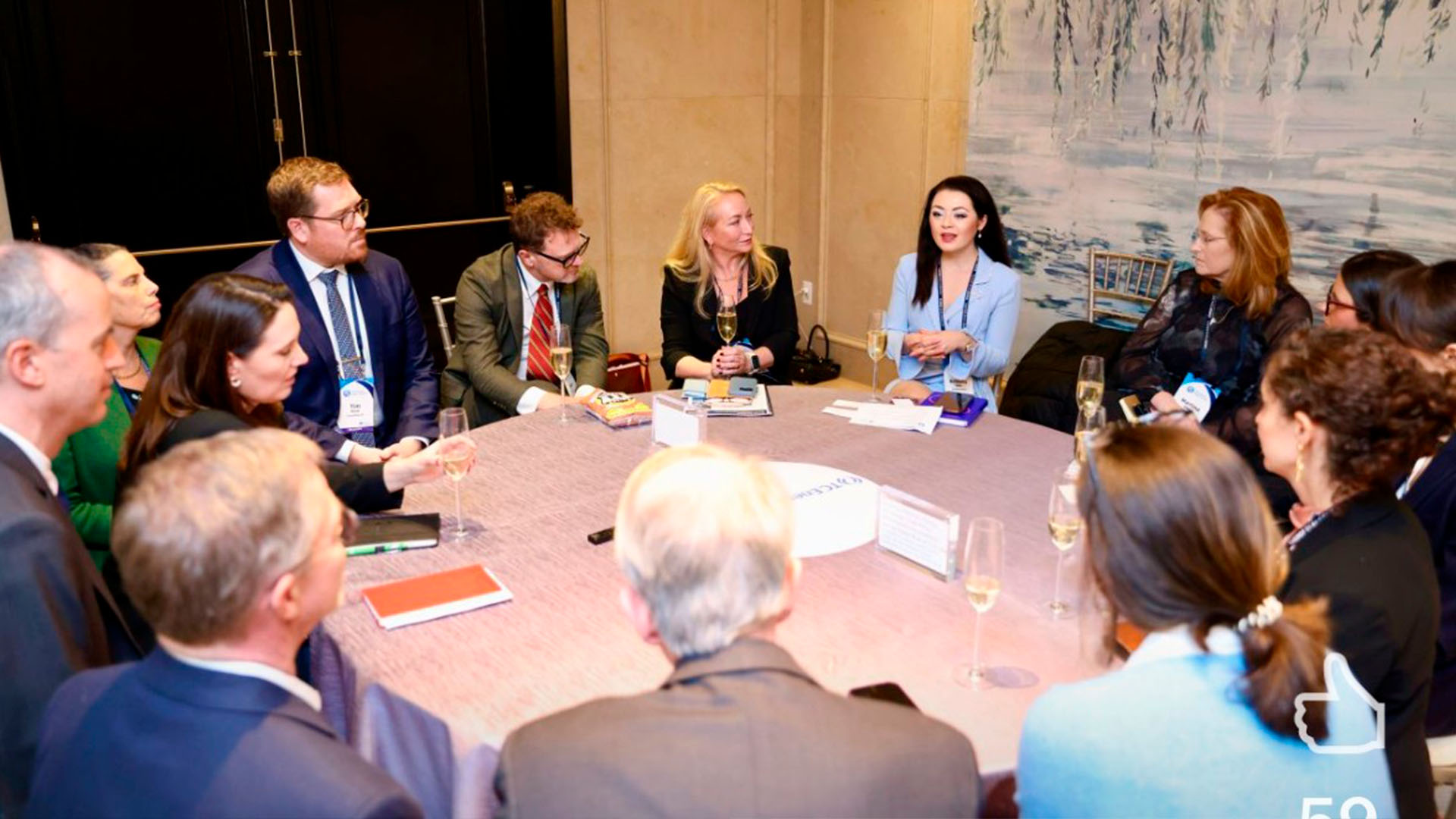

In the energy industry, trust is currency. Trust is the foundation of every successful C-suite relationship in the energy sector, and that trust, most critically, is built through a balanced approach to economic and environmental needs. “You do not get a second chance in oil, natural gas, or hydrogen,” Lynn Lyon says, a Strategic Advisor for Natural Gas and Industrial Energy Solutions. “There is a broad complex value chain in energy. It takes time to build and maintain relationships.”
Lyon has spent her career building it with C-suite leaders across upstream, midstream and downstream operations. Growing up in West Virginia as a coal miner’s daughter, she was surrounded by conversations about energy from an early age, an experience that shaped a lasting respect for the sector’s complexity and for the people who keep it moving.
Preparation and Engagement
Executives across the supply chain recognize Lyon for one specific reason: she arrives informed. “I follow the industry closely. I watch trends, read daily, and take notes sitting in the front row at conferences,” she says. “If an industry leader is speaking, I thank them for sponsoring the event or shaping the conversation. It shows respect for their message.” Lyon studies priorities, public remarks, and operational pressures to understand what shapes decision-making. She seeks out leaders who are open to discussing their ambitions as well as the practical constraints around supply, demand, costs, and environmental considerations. These early conversations help establish common ground rather than signaling any predetermined viewpoint.
This approach serves her in conversations with energy producers, logistics operators, manufacturers, and early-stage companies exploring new technologies. It provides her with context for how different organizations operate and how regional, regulatory, or commercial factors influence their decisions.
Bridging Leadership Expectations With Practical Technology
Her advisory work focuses on addressing one of the sector’s persistent challenges: aligning executive ambition with what new technologies can realistically deliver. “We work together to find a path to yes,” she explains. “There is a broad range of options depending on business goals. Everything starts with safety, then return on investment, and then operational needs like productivity and efficiency.”
In trucking, for example, executives naturally ask whether an alternative fuel is safe long before discussing emissions or cost. Lyon sees value in those early questions. They reveal the risks decision-makers are managing and provide a foundation for building trust. She frames technology decisions at the intersection of economic and environmental benefits, not one or the other. That balanced approach resonates in boardrooms where the appetite for innovation shifts with commodity prices, policy signals, and investor expectations.
What Energy Executives Want to Talk About Now
Energy executives are not just thinking about production. They are progressively focused on changing consumption trends. This is especially true in the natural gas industry, which needs to increase production and streamline transport to power surging electricity demands for A.I. and data centers domestically while building additional capabilities to address export opportunities.
Through her work, Lyon has seen the evolution firsthand. At the North American Gas Forum in Washington, D.C. last week, she listened to Energy Secretary Chris Wright and EQT CEO Toby Rice discuss how the industry is balancing supply growth to meet growing demand with national security concerns, and emerging market signals. They explored America’s need for more affordable, reliable energy as well as the opportunities and challenges of developing the infrastructure necessary to deliver energy to Americans and our allies around the world. They shared how getting this right defines energy dominance.
How Leaders Can Make Future-Proof Decisions
“Lean into the risks,” she says. “It helps you view the problem from different perspectives. Challenge the roadmap early and challenge it strongly.” She encourages executives to ask difficult questions at the beginning of a project. New technologies require change management and systems integration. Overlooking those factors leads to costly delays. Despite uncertainty, Lyon believes some fundamentals are stable. North America’s natural gas supply remains abundant. Natural gas prices tend to be steady relative to volatile oil and diesel markets. Innovation continues across mobility, infrastructure, and power systems because it is a highly versatile fuel.
Yet none of that guarantees smooth execution. The key, she says, is choosing partners with endurance. “Find partners with a long-term vision and a willingness to work through the trials of deployment.” For Lyon, that philosophy reflects decades of observing energy markets surge, stall, and reinvent themselves. Through it all, trusted relationships endure.
To connect with Lynn Lyon, follow her on LinkedIn.