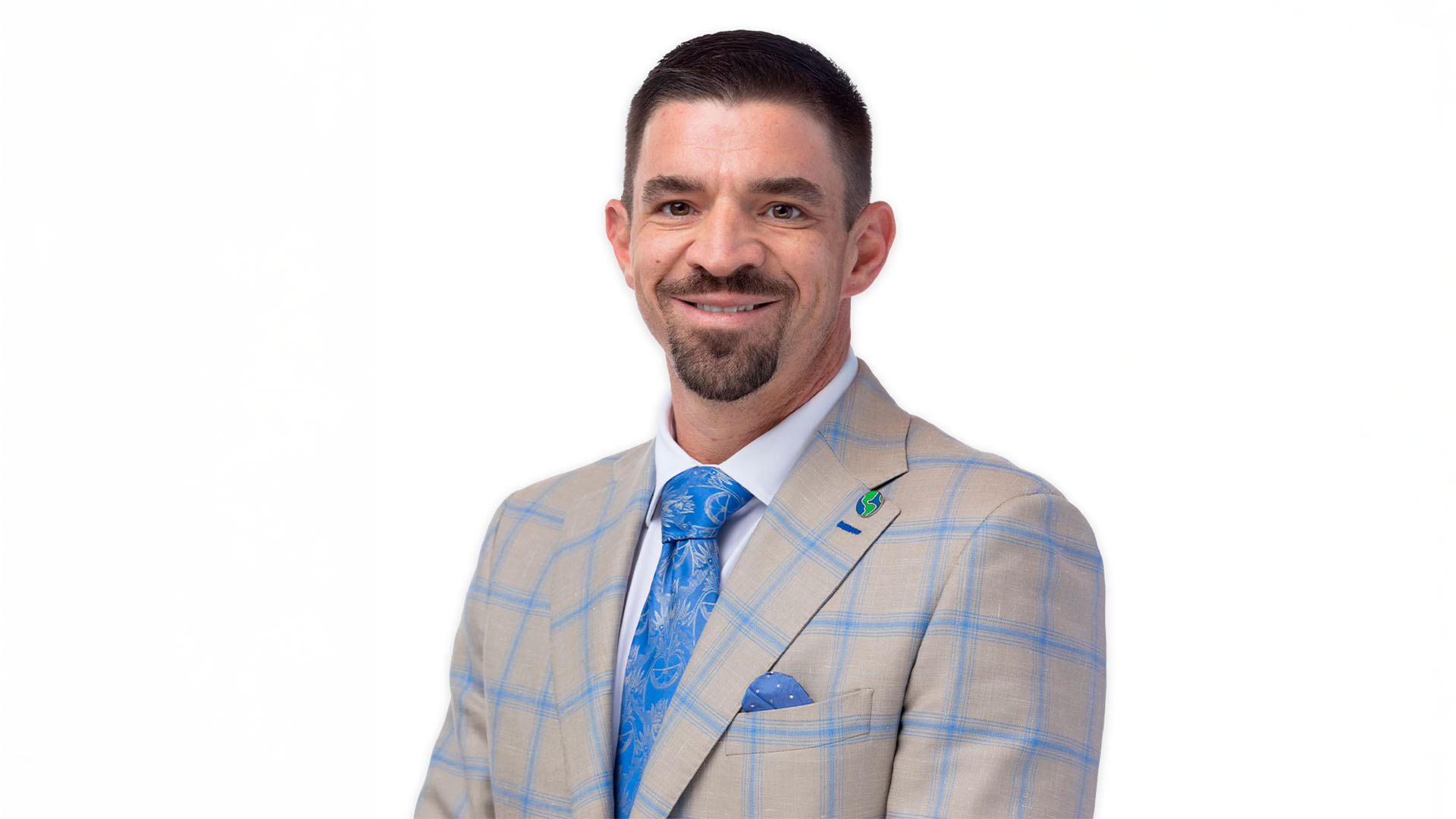

For Nick William Moore, how wins are achieved matters as much as the result itself. There is also a clear business case to be made for this leadership philosophy. Prioritizing collective achievement over personal recognition builds organizations that grow stronger, last longer, and outperform those driven by individual acclaim.
“If you get to the mountaintop alone, you’re not really winning,” says Moore, CEO of The Moore Organization. He has built a people-first enterprise where collective achievement outweighs individual spotlight, and culture, not charisma, drives sustained growth. The result is an organization that has expanded year after year by focusing less on top producers and more on building teams that can endure.
Redefining Success Beyond Individual Performance
In a team-first culture, individual contributions matter, but no single person becomes bigger than the mission. “Players win games, teams win championships,” he says. Moore believes culture is built when people are aligned around a shared vision, direction, and sense of ownership. When leaders consistently spotlight individuals, the middle of the organization disengages. When they promote teams instead, people feel part of something worth protecting.
“You don’t get born a leader, you have to become one,” he says, reflecting on the tragic moment that shaped this personal understanding of responsibility. Roughly a year into his career, a close friend who brought him into the business suffered a devastating accident that left him paralyzed. “When you really have no option other than to rise and take on a challenge, you find out what you’re capable of,” Moore says. In that moment, he learned that leadership accelerates when the stakes involve other people’s lives, not just personal ambition.
Turning Shared Vision Into Daily Execution
Moore distills execution into three clear disciplines designed to deliberately shift culture away from individual recognition and toward shared, team-based success:
- Set goals from the ground up. Rather than imposing targets from the top down, Moore builds upward. “I add up my leaders’ goals and that becomes the team goal,” he says. The shared objective must be expansive enough to hold everyone’s personal ambitions inside it.
- Engineer the outcome through process. “The math has to math.” If timelines, resources, or systems do not logically support the result, leaders must adjust the plan instead of applying pressure.
- Delegate by strength, not convenience. Every responsibility is mapped, then aligned with what people naturally do well. Team members are encouraged to spend their time where they feel energized, while less desirable work is handled collectively. “When people do what they love, they get better results and stay happier longer,” Moore says. Over time, ownership deepens because contribution feels chosen, not assigned.
Building Accountability Without Sacrificing Culture
Culture, in Moore’s view, only works when it can be measured. “If you can’t measure it, you can’t manage it,” he says, underscoring his belief that accountability should center on development rather than output alone. Progress, he adds, is revealed through evolution. “If you’re doing the same job you were doing a year ago, you didn’t grow.”
That lens extends beyond performance metrics. Real success, he believes, shows up in the lives his teams are able to build. He points to moments like colleagues buying their first homes, supporting their parents, or creating long-term stability for their families as the outcomes that matter most.
Readers can follow Nick William Moore on LinkedIn for additional insights.