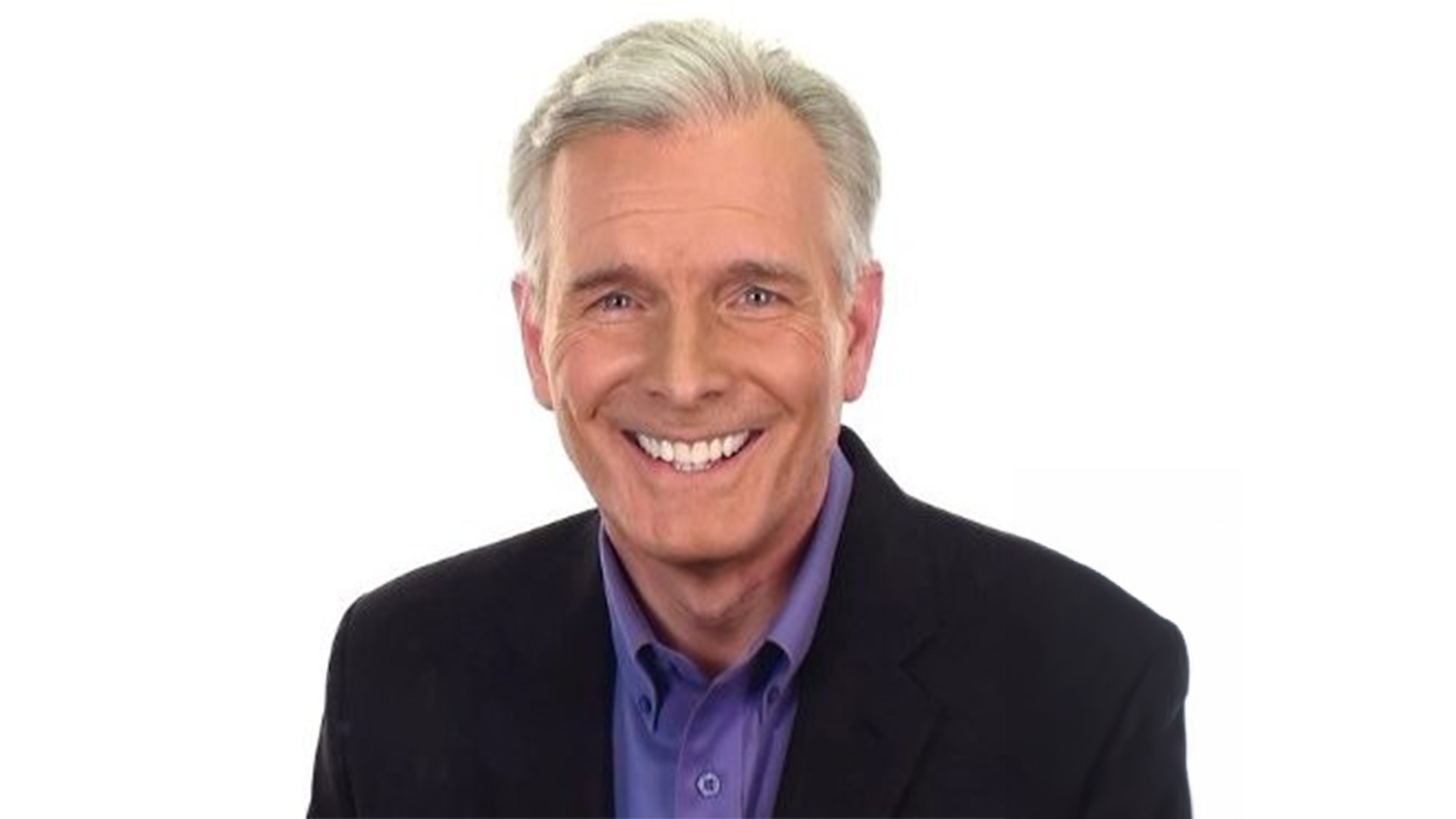

Education is incredibly important in the medical field, especially as clinicians rely on timely access to best practices and the latest research to guide patient care. Medical education has long wrestled with a paradox. The professionals who most need rapid, relevant and accurate knowledge often receive it through presentations that are dense, speaker-centric and difficult to apply. Richard Davis, president and CEO of The Arbor Scientia Group, has spent three decades addressing this gap. “I was really taken aback by the lack of any of that—there was almost no application of communication science or adult learning.”
When medical presentations are designed around the learner rather than the lecturer, clinicians understand and apply information faster, which strengthens decision-making and ultimately improves patient outcomes. Davis’s three-question framework gives any scientific or medical leader a practical, human-centered method to make their communication more influential and trustworthy, even in highly technical contexts.
Start with the learner, not the lecturer
This begins with a fundamental shift in how presenters think about their role. For Davis, they are best seen as guides who support understanding. “Healthcare professionals are the most underserved educational demographic group,” he says. The solution to this, he argues, begins with putting the learner at the center of every decision. Effective education must help audiences “quickly build their confidence with new information” so they can apply it the very next day.
At Arbor Scientia, this learner‑first philosophy has guided a global footprint, reaching clinicians in roughly 70 countries. Their success reflects a commitment to designing education that truly serves the people on the receiving end. Doing so requires deliberate choices in how a scientific story is built, from the order in which ideas unfold to the pace at which complexity is introduced.
Master the three questions every audience asks
Regardless of whether a presenter stands before one person or a thousand, Davis says audiences unconsciously ask the same three questions: Do you care about me? Can you help me? Can I trust you? These questions form the backbone of his framework for effective communication.
The first few minutes are crucial to addressing these three questions. “I can tell within the first few seconds whether you’re there for you or you’re there for me.” For him, great speakers learn about their audience in advance, interact with them before the session begins and weave those touchpoints into the delivery.
In his own speaking engagements, he makes a point of learning every participant’s name in small group settings. “It shows people they matter,” he says.
Build for understanding, not convenience
Earning trust and demonstrating care for the people you’re presenting to is often undermined by a common challenge: misplaced focus. Many experts build presentations in a way that suits their own speaking style rather than in a way that accelerates comprehension for the audience. The result can be anything from overwhelming slides, overly compressed concepts or narratives that assume a level of fluency the audience may not possess, ultimately weakening the connection that presenters work so hard to establish in those crucial opening moments.
When presenters prioritize their own comfort over learner comprehension, they inadvertently slow the audience’s learning curve. Good presentations guide the audience step by step. If a presenter removes helpful structure (like slide builds) just to make preparation easier, the audience ends up learning less effectively.
“We don’t want answers to questions we didn’t ask,” Davis says, underscoring how adult learners tend to evaluate whether information is worth their time. Effective presenters spark curiosity by helping learners recognize gaps in their understanding, which in turn motivates them to seek new information.
Better Communication for Better Care
Effective medical presentations begin with a genuine commitment to equipping clinicians with information they can immediately put into practice. Whether addressing a room of specialists or guiding early career practitioners through emerging research, the work of a presenter is not to perform but to serve.
Meaningful communication in healthcare has real impact. When clinicians learn better, patients are treated better. “If we can change the way medical education is done, we can have a real impact on the quality of care patients receive.”
Readers can follow Richard Davis on LinkedIn for more insights.