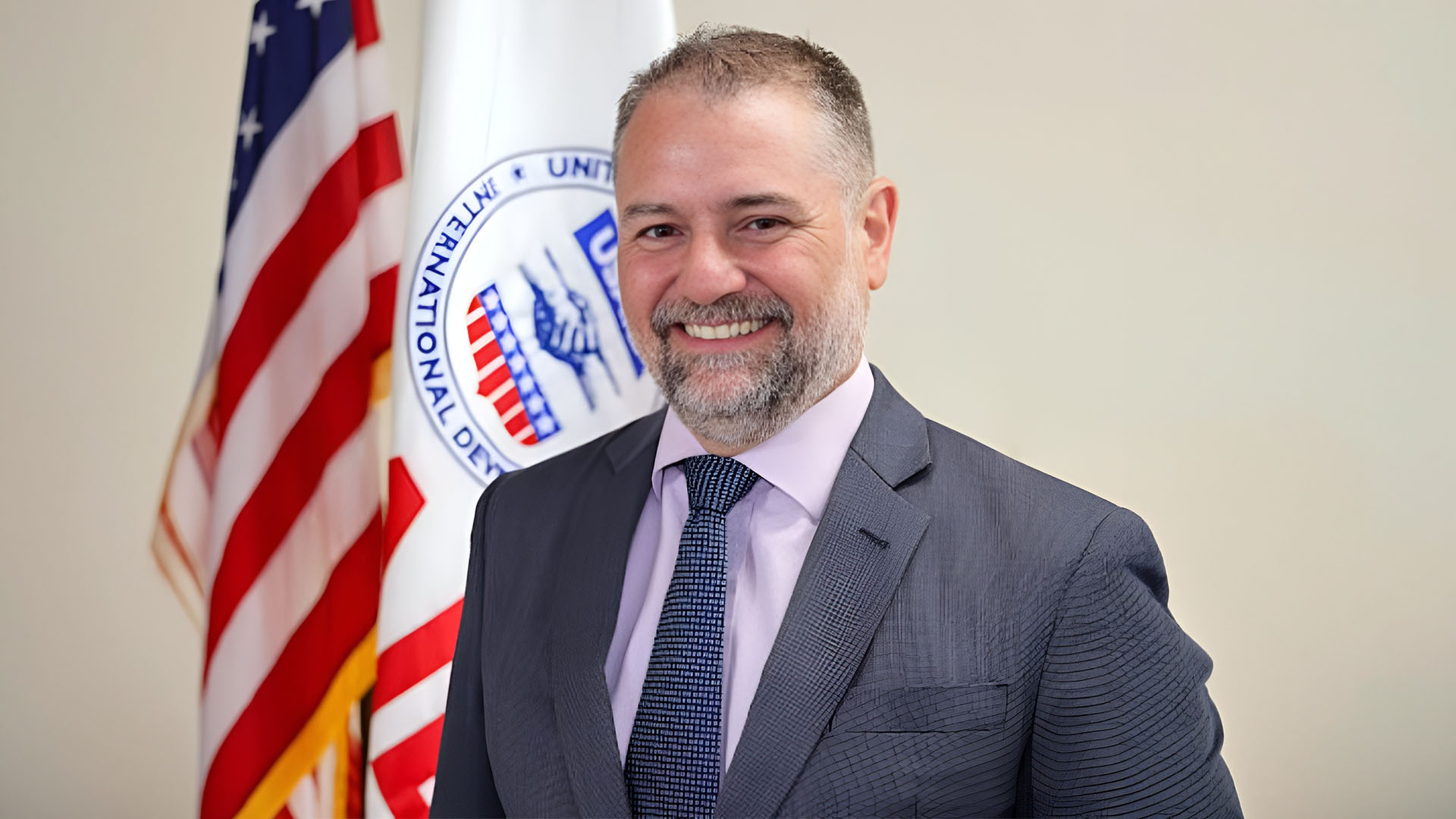

Building a high-performing team across borders is a test of alignment, discipline, and leadership stamina. For Michael W Nicholson, Founder and CEO of AfriqueU and a former senior diplomat with the United States Agency for International Development (USAID), success comes down to a clear thesis: durable cross-border initiatives work when institutions, incentives, and people move in sync.
Nicholson now leads AfriqueU, a transnational platform connecting Africa and the United States through basketball and education. Operating across six African countries and multiple U.S. time zones, the early-stage company sits at the intersection of sport, market development, and education access. “The asset, the value that we bring, is connecting networks and opportunities,” Nicholson says. “Having that personal interaction certainly adds value.”
Start With the Model, Not the Map
Nicholson distinguishes between multinational expansion and a truly transnational strategy. AfriqueU presents one unified brand across countries, but it doesn’t assume markets behave the same. “We’re a transnational brand,” he says. “But we have a multi-country strategy. Our brand, like Coca-Cola and the NBA, remains the same in every country, but we engage the markets and cultures differently in each country.”
In Kigali, Rwanda, basketball fans are intensely focused on the game itself. In Johannesburg, South Africa, the sport doubles as a social event, complete with fashion and entertainment. The product is similar, but cultural consumption of it isn’t, and that distinction shapes how Nicholson deploys partnerships, builds showcases, and develops infrastructure.
Relationships Trump Convenience
The hardest part of building across borders is time, and AfriqueU operates across eleven different time zones. While virtual tools help teams collaborate in these contexts, they have their limits. “When I’m in a place and talking to somebody and taking meetings over coffee, we get a lot of work done,” says Nicholson. “When we’re talking over email or WhatsApp, there’s an understandable tendency to postpone big questions until we’re face-to-face again.”
That reality shapes his leadership habits. Flexibility is his biggest non-negotiable; early morning calls while in California and late-night meetings from Nairobi are routine. However, Nicholson pairs this intensity with discipline. “Sleep is super important. You’ve got to stay mentally and physically healthy,” he says.
He also keeps the team intentionally focused. Despite early enthusiasm from would-be recruits, Nicholson resisted expanding too quickly. In early-stage mode, he prioritizes controllable assets and mastery of the core business model before scaling.
Compelling Joy
One of Nicholson’s most distinctive leadership concepts emerged during his USAID tenure, when he worked across 17 West African countries with limited resources. Faced with $50 million goals and a $5 million budget, he and his team coined a principle for their needed partnerships: compelling joy.
“Joy in the sense that there’s a positive vibe and purpose to your work,” he explains. “Compelling in the sense that people want to be part of it.” Rather than persuading stakeholders to cooperate, the aim was to build initiatives strong enough that partners were naturally drawn in. It’s a mindset that now informs AfriqueU’s cross-border partnerships, from national federations to U.S. schools and sponsors. The organization is not only facilitating athlete mobility but building a platform that participants feel ownership of.
Why Execution Fails and How to Prevent It
Years of overseeing large development portfolios shaped Nicholson’s understanding of why cross-border efforts stall. The breakdown usually creeps in when planning becomes the product or when governance fades once attention shifts elsewhere.
Nicholson recalls traveling across Kenya to inspect four major water infrastructure projects. On paper, each had been completed. In reality, none functioned. One site had no reliable electricity to power the system, and another was stalled by unresolved licensing disputes. Others were hampered by local bottlenecks no one had anticipated. Different failures, same root cause: insufficient follow-through. “A holistic view requires years, multiple actors, and dealing with unknowns,” he says. “If you’re not following through, you end up with stalled initiatives.”
Preparation, in his view, means anticipating friction, investing in relationships, and respecting cultural rhythms rather than forcing artificial deadlines. He often compares cross-border progress to watching elephants move across the savannah. “They walk as if they have an appointment at the end of the world,” he says. “They’re constantly moving, but they’re not hurried.” For leaders accustomed to speed, the lesson is restraint. Do fewer things, obsess over quality, adjust timelines when relationships require it, then move forward steadily enough that when the launch comes, it holds.
Ultimately, Nicholson’s approach blends institutional rigor with an entrepreneurial spirit and pace. A high-performing cross-border team is built by aligning incentives, investing in relationships, maintaining disciplined execution, and creating work that people genuinely want to join.
Follow Michael W Nicholson on LinkedIn for more insights.