
Many nonprofit boards appear healthy from the outside. Meetings run smoothly, materials are carefully prepared, minutes are approved without friction, and leadership receives polite support. Yet in many organizations, real engagement is missing. When boards become quiet, they stop functioning as strategic partners. Their collective expertise, networks, and judgment remain largely untapped. Over time, both board members and leadership lose energy for the process.
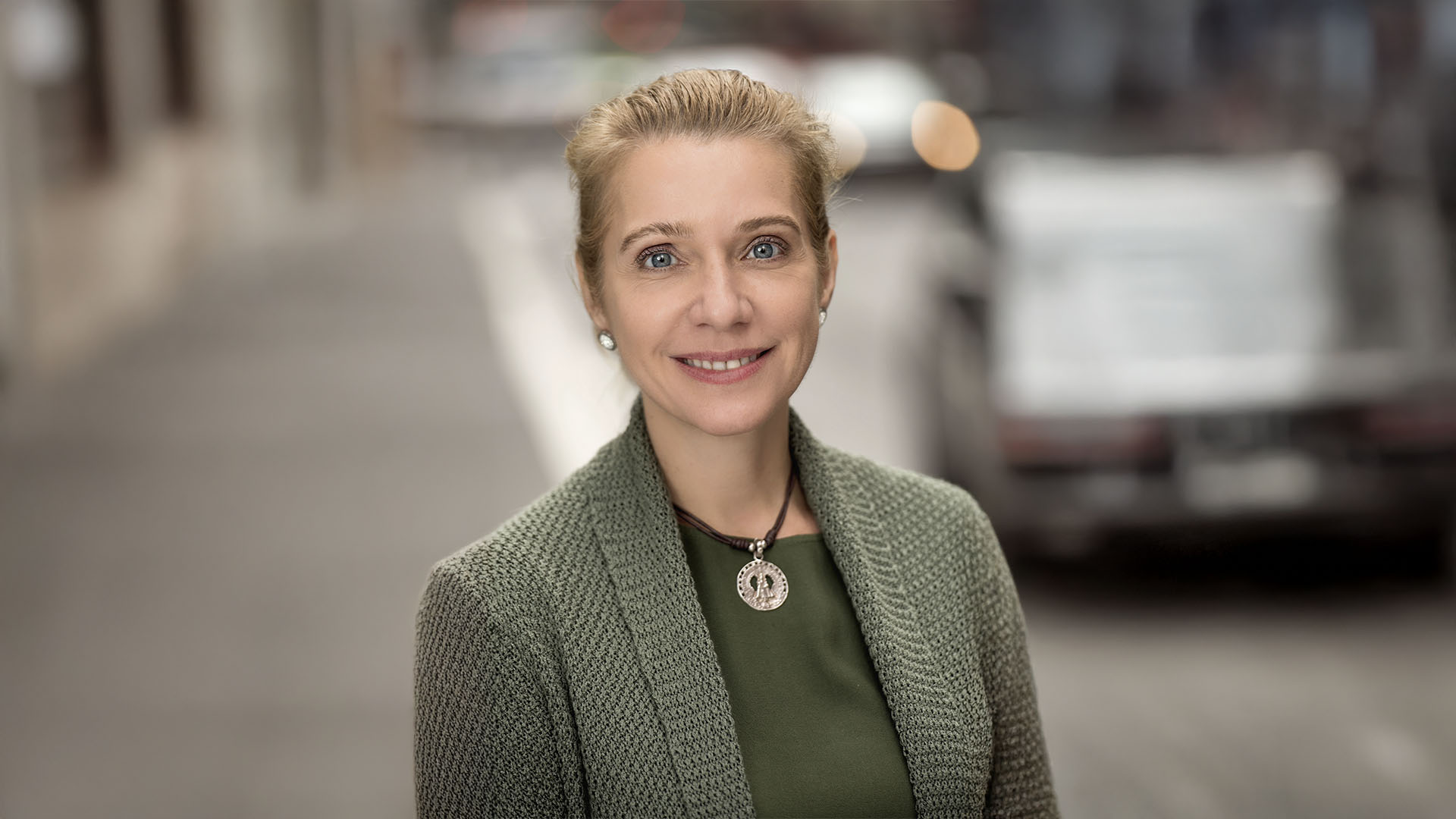
For Bettina Alonso, this challenge has been a defining theme throughout her career. With more than two decades of experience in nonprofit development and governance, she has helped organizations build boards that do far more than simply oversee operations. During her 10 years at Oceana, Alonso helped open and lead the organization’s New York office while working closely with leadership on board recruitment and development. In her view, high-impact boards are not built by accident. They are built intentionally through the right people, the right structures, and a culture that encourages thoughtful participation.
Recruit for Curiosity, not Just Credentials
One of the most common mistakes nonprofits make when building boards is focusing too heavily on prestige. Organizations often become starstruck by wealth, titles, or public visibility. While those qualities can certainly bring advantages, Bettina believes they should never be the primary criteria for board recruitment. Instead, she encourages organizations to focus on personality and mindset.
“The best board members are curious,” Bettina explains. “They want to understand the mission deeply. They ask thoughtful questions and bring intellectual energy to the discussion.” Curiosity drives engagement. Board members who genuinely want to understand the organization are far more likely to contribute ideas, challenge assumptions, and help leadership think strategically about long-term impact.
Bettina also emphasizes the importance of recruiting individuals who act as conveners, people who naturally connect others and expand the organization’s network of relationships. When boards include both curious thinkers and natural connectors, they become communities of advocates who work together to advance the mission.
Design Meetings that Invite Participation
Even when organizations recruit the right people, engagement can falter if board structures do not support meaningful participation. Large board meetings, while sometimes necessary, can unintentionally discourage discussion. Newer members in particular may hesitate to raise questions in a room filled with experienced peers. To address this dynamic, Bettina recommends incorporating smaller breakout discussions into board meetings or retreats. “In smaller groups, people feel more comfortable sharing ideas and testing perspectives,” she explains. “Those conversations can then come back to the larger group, creating a much more dynamic discussion.”
This simple structural change can significantly improve the quality of board engagement. Members who might remain silent in a large meeting often contribute valuable insights in more intimate discussions. Bettina also stresses the importance of setting clear expectations from the moment someone joins a board. Too often, new members assume their role is primarily ceremonial, such as attending meetings, reviewing materials, and approving decisions. In reality, effective boards expect members to contribute far more. Board members should understand that they are joining as strategic partners. They are expected to contribute ideas, open doors to new relationships, and help guide the organization’s long-term direction.
Technology can Strengthen Boards, but Leadership Remains Human
As nonprofit governance evolves, Bettina sees growing opportunities for technology to improve how boards operate. Many board meetings are currently consumed by lengthy presentations and reports. Increasingly, those routine updates can move to digital dashboards or pre-reading materials, freeing up meeting time for strategic discussion.
Artificial intelligence (AI) and data tools also offer new ways to support governance. AI can synthesize large amounts of information into clear insights, highlight trends in donor behavior, and help boards understand program outcomes more effectively. These tools can even assist with scenario planning, allowing boards to model how changes in funding, costs, or program scope might affect the organization’s future.
However, Bettina is equally clear about the limits of technology. “Trust, relationships, and judgment are the foundation of nonprofit leadership,” she says. “Those elements cannot be automated.” Many of the most important moments in nonprofit work happen through human interaction, such as a board member introducing a potential donor, mentoring an executive leader, or building trust with a community partner. These interactions rely on empathy, credibility, and shared values, all qualities that technology cannot replicate.
Turning Boards into Strategic Partners
When nonprofit boards are built intentionally, they can become one of the most powerful assets an organization possesses. Recruiting curious and collaborative individuals, designing structures that encourage participation, and leveraging technology thoughtfully all contribute to stronger governance. The most important shift, however, is cultural.
High-performing boards do not simply approve what leadership presents. They ask thoughtful questions, explore possibilities, and engage deeply with the organization’s long-term mission. When that happens, board meetings transform from routine formalities into meaningful conversations.
Connect with Bettina Alonso on LinkedIn for more insights.