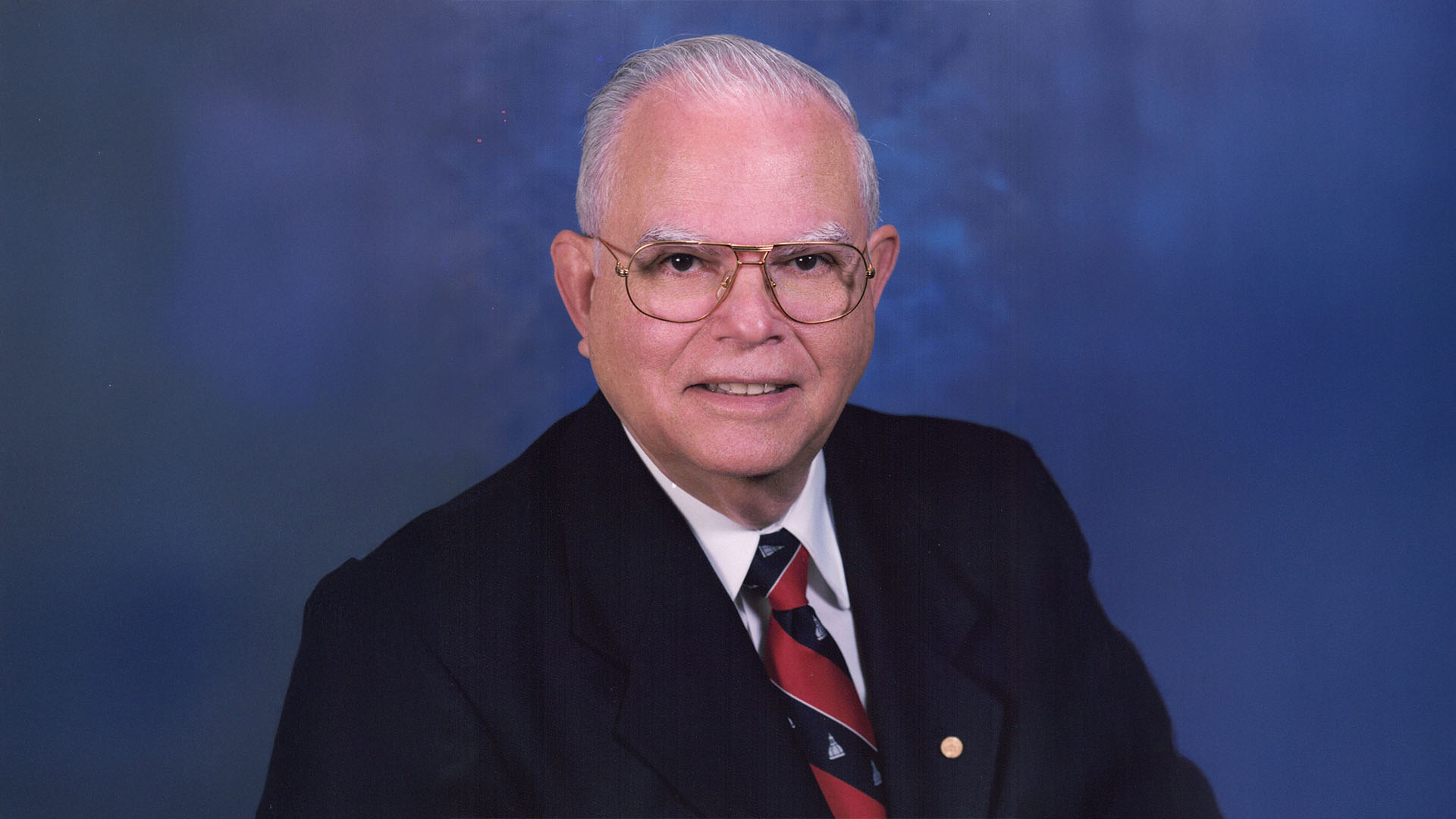

Dr. Ramon Rodriguez-Torres has spent more than half a century shaping the field of pediatric cardiology and the institutions that support it. Now marking his 100th birthday, the physician’s career reflects a rare blend of clinical rigor, institutional leadership and personal resilience. Across Cuba, the United Kingdom and the United States, Rodriguez-Torres helped redefine how children with heart conditions are treated and how physicians are trained to care for them.
For Rodriguez-Torres, medicine has always been a responsibility to build systems that could serve patients long after any single physician left the room. “He believed that healing is not just a profession, but a calling,” says his son Raymond Rodriguez-Torres. That conviction shaped every chapter of his career and his life.
A Global Education That Shaped a Medical Vision
Born in Havana in 1926 and raised in the town of Guanajay, Rodriguez-Torres grew up in a modest household where discipline and compassion were daily lessons. As the eldest child, he developed a strong sense of responsibility early on, which later translated into a deep commitment to patient care and medical scholarship.
After earning his medical degree from the University of Havana in 1951, Rodriguez-Torres pursued advanced training abroad. At the Royal Infirmary in London and later at the University of Manchester, he encountered emerging research and clinical approaches that were reshaping cardiology in Europe. These experiences expanded his understanding of how rigorous science and collaborative medical practice could transform outcomes for patients. The next chapter unfolded in the United States. Arriving as a young immigrant physician and father, Rodriguez-Torres trained in pediatric cardiology at Kings County Hospital in Brooklyn. There, he quickly distinguished himself for both his clinical insight and his ability to organize teams around complex medical challenges.
Building New Standards in Pediatric Care
Rodriguez-Torres’s leadership began to take institutional form during his time in New York. In 1966 he helped establish one of the earliest pediatric intensive care units in the United States dedicated to children undergoing open heart surgery and peritoneal dialysis. At a time when pediatric critical care was still emerging as a discipline, the unit demonstrated how specialized environments could dramatically improve survival rates for young patients.
Colleagues recall that his approach combined scientific rigor with careful listening. He listened to doctors, nurses, patients and parents, a leadership style grounded in collaboration rather than hierarchy. His reputation as both physician and organizer led to a major leadership role in 1973 when he became chairman of pediatrics at the Medical College of Ohio. There he oversaw academic programs, clinical operations and research initiatives while continuing to mentor the next generation of physicians.
Transforming a Children’s Hospital in Miami
Rodriguez-Torres’s most enduring institutional impact came in Miami. In 1981 he assumed leadership at Variety Children’s Hospital, an institution that would later become Miami Children’s Hospital and is now known as Nicklaus Children’s Hospital.
During this period, Rodriguez-Torres helped reshape the hospital into a leading center for pediatric medicine. He established the hospital’s Continuing Medical Education department, developed international conferences that drew experts from around the world and introduced training initiatives that expanded pediatric expertise across South Florida. Among his most forward-looking initiatives was a commitment to expanding access to medical knowledge. Telemedicine training programs allowed physicians in distant communities to consult with specialists, widening the reach of pediatric expertise beyond large urban hospitals.
At the same time, Rodriguez-Torres emphasized research and preventive care. He helped launch a pediatric research center focused on genetic birth defects and created partnerships with community pediatricians to integrate preventive medicine into everyday clinical practice.
A Philosophy of Prevention and Service
While Rodriguez-Torres advanced highly specialized care, he remained convinced that medicine should begin long before a patient enters a hospital. Preventive medicine became one of the defining themes of his leadership. The best pediatric care, he believed, begins in families, schools and communities. By focusing on prevention, physicians could reduce suffering and improve long-term health outcomes for entire populations. Those principles shaped not only institutional strategy but also the culture of the organizations he led. Medicine, as his family describes it, was never purely technical in his view.
A Legacy Measured in Institutions and Lives
When Rodriguez-Torres retired in 1996, Miami Children’s Hospital honored his impact with a one-million-dollar endowment to support an academic chair in preventive medicine. The gesture reflected the scale of influence he had achieved during decades of leadership.
Yet his legacy extends far beyond titles or programs. It is visible in the physicians he trained, the research initiatives he launched and the countless children whose lives were improved through innovations in pediatric cardiology. At 100 years old, Rodriguez-Torres remains a symbol of a generation of physician leaders who viewed medicine as both a scientific discipline and a moral commitment. His career demonstrates how leadership rooted in service can reshape institutions and expand the reach of care for generations.