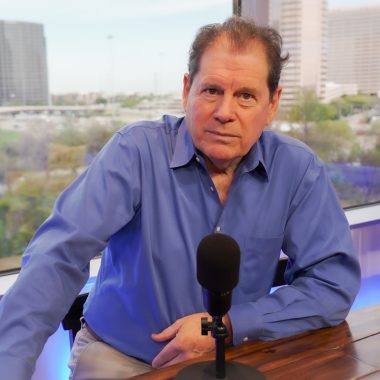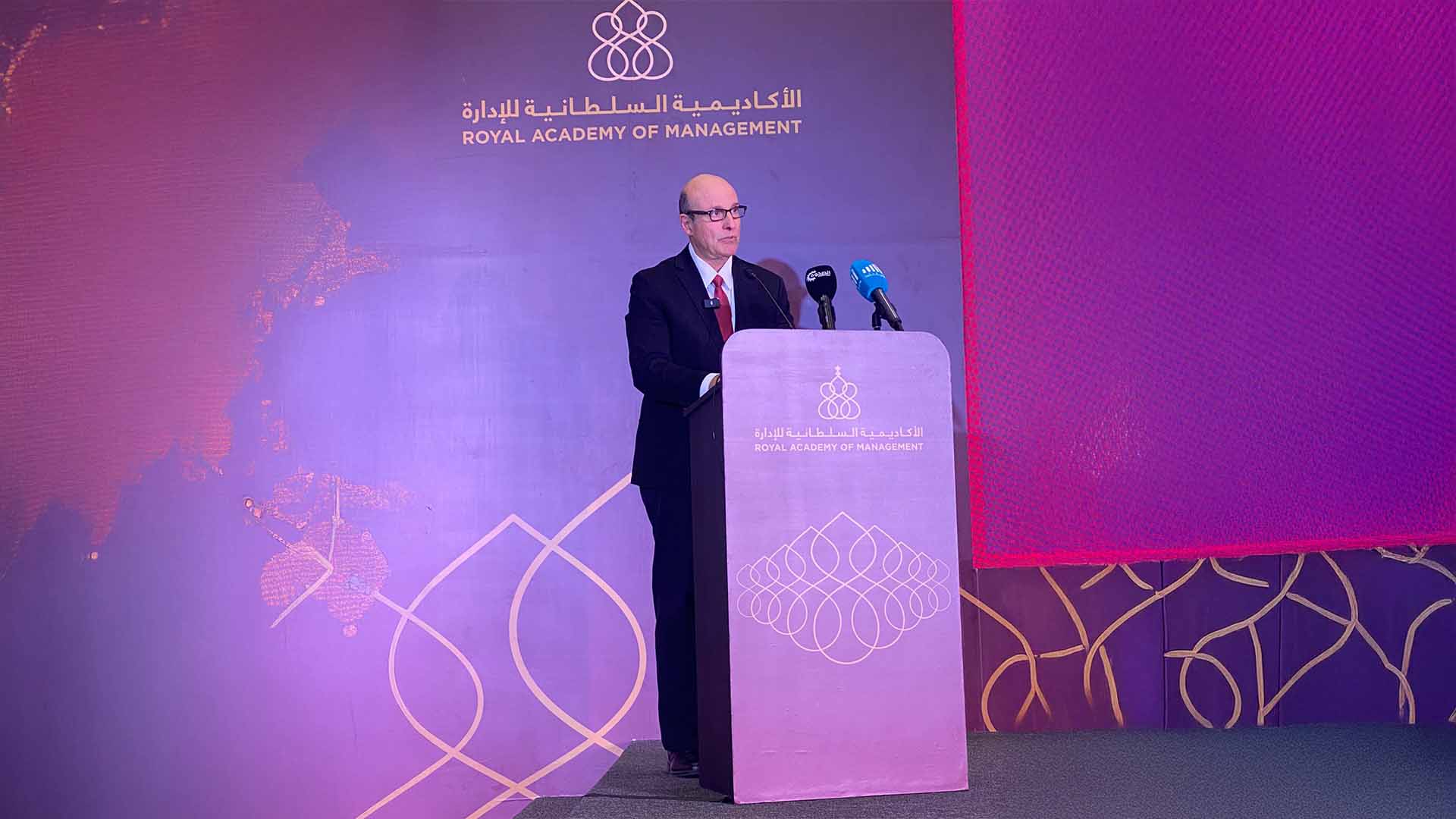

According to Dr. Luigi A. Pecoraro, senior leaders often assume that consistent performance and strong results naturally lead to greater influence and promotion. After more than two decades working with executives around the world, Dr. Pecoraro says the reality inside organizations looks very different. “There is a paradox. The mindset for many advancing leaders is that if I’m an excellent performer, then I deserve the next opportunity. But that’s not how decisions are actually made,” says Dr. Pecoraro.
As Chief Growth Officer at Next Level Leader Coaching and a leadership development expert with more than 25 years of experience, Dr. Pecoraro has built his work around that disconnect. His approach focuses on helping senior professionals reshape how they demonstrate readiness for greater influence inside their organizations. The shift is less about performance metrics and more about judgment, strategic framing, and the ability to translate accomplishments into a compelling vision for what comes next.
The Hidden Paradox of High Performance
Across hundreds of leaders he has coached or advised, Dr. Pecoraro sees the same pattern emerge. High-performing professionals often assume that results alone will carry them to the next level. However, promotion decisions, especially at senior levels, don’t usually rely on performance alone. “It’s not just about what you do, and it’s not even just about how strong your relationships are,” Dr. Pecoraro says. “It’s about translating your accomplishments in a way that shows decision-makers you can operate effectively at the next level of influence.”
The shift becomes most visible when leaders move into senior executive territory. At that stage, influence increasingly depends on judgment, strategic thinking, and the ability to articulate how the organization can evolve under different leadership. Dr. Pecoraro experienced this firsthand when pursuing an executive director role several years ago. Rather than relying on past performance, he realized he had to demonstrate why the position itself was necessary and how it would strengthen the organization. I had to build the business case,” he says. “Not only why the role should exist, but why I was the person who could fulfill it.”
Understanding the Influence Ceiling
Many capable leaders encounter an invisible ceiling as their responsibilities expand. Dr. Pecoraro attributes this to a structural misalignment between how leaders believe advancement works and how organizations actually make decisions. In many companies, the process sits behind closed doors. Promotion criteria may live inside HR frameworks, executive discussions, or board-level conversations that aspiring leaders don’t always see. “Often the real decision process is a bit of a black box,” Dr. Pecoraro says. “So the leader has to start deciphering what the organization truly values and how those decisions are made.”
Some organizations rely heavily on tools such as nine-box grids or recent performance assessments. Others lean on trust, informal sponsorship, or subjective judgments about leadership readiness. Without clarity, talented leaders may continue focusing on execution when the organization is evaluating something entirely different. Dr. Pecoraro encourages leaders to engage decision-makers in deeper conversations about where the organization is heading and how their own leadership could support that direction.
Turning Vision Into Influence
When senior leaders want to increase their influence quickly, Dr. Pecoraro recommends a structured approach that reframes their expertise in strategic terms. The first step is documenting a clear business case. “Articulate what needs to change, why it matters, and what the outcomes could be,” he says. “You are essentially painting a picture of the organization’s future.”
That picture must extend beyond operational improvements. Leaders should present a three-to-five-year view of how the organization could evolve and how their leadership contributes to that trajectory. “Everything really starts with imagination,” Dr. Pecoraro says. “Imagination is more powerful than knowledge when you’re thinking about where an organization can go.”
The second step is reinforcing credibility around areas that decision-makers may question. Even highly capable executives can be overlooked if others doubt their ability to think strategically, communicate vision, or manage pressure at the top. Dr. Pecoraro recalls working with a senior executive who had effectively run much of his organization for years, yet was not recommended by the retiring CEO for the top role. The concern centered on whether he could articulate a compelling long-term vision.
Through coaching, the leader reframed his experience by highlighting strategic initiatives and major projects he had led. By clearly demonstrating those capabilities, he moved through an external search process and ultimately secured the CEO role, serving in the position for a decade. “He already had the experience,” Dr. Pecoraro says. “What he needed was to demonstrate it in a way the decision-makers could clearly see.”
Human Judgment Matters More in the Age of AI
As artificial intelligence (AI) accelerates decision cycles across industries, Dr. Pecoraro believes the fundamentals of leadership influence will shift rather than disappear. AI is already transforming how organizations process information and complete routine work. Dr. Pecoraro argues that the traits defining influential leaders will remain distinctly human. “AI is incredibly powerful for generating ideas, testing possibilities, and gathering information quickly,” he says. “But leaders still have to apply judgment and critical thinking to what comes back.”
Leadership influence still depends on vision, trust, and the ability to help others see meaning in complex decisions. “Facts don’t motivate people,” Dr. Pecoraro says. “It’s still about being a visionary leader who models the way and encourages others to act.” For senior leaders, the practical advice is to treat AI as a strategic advantage. “If you have something to do, don’t just ask whether AI can help,” he says. “Start by asking how you can accomplish it with AI.”
Follow Dr. Luigi A. Pecoraro on LinkedIn for more insights.