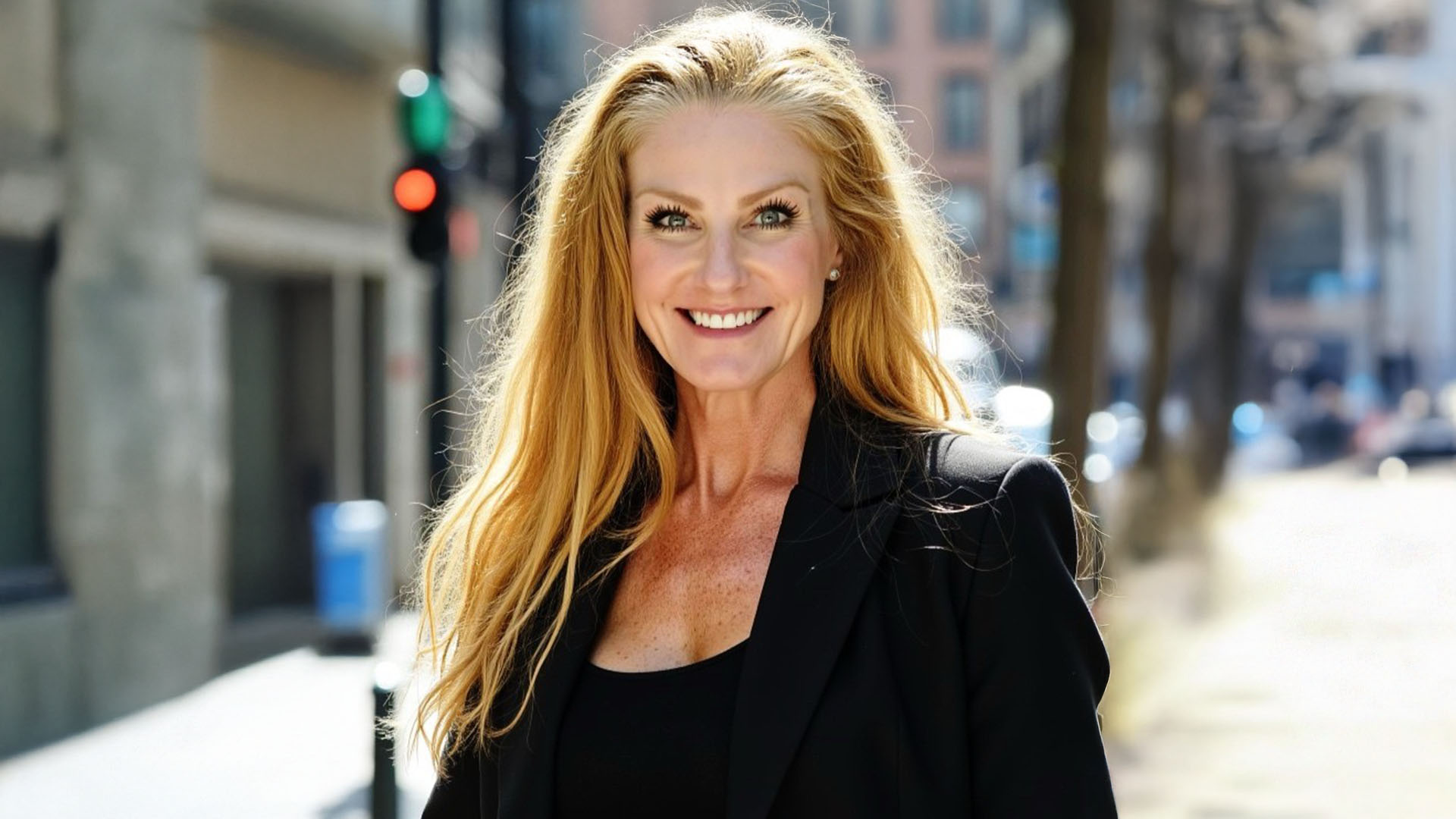

Work has changed dramatically. Organizations are navigating uncertainty amidst rapid transformation. For Jennifer Blue, that reality demands a different kind of leadership. “People need more than just direction,” Blue says. “They need trust. They need clarity. They need empathy. They need meaning in their relationships and in their work.” Servant leadership, a leadership model developed in 1970, creates the conditions for people to do their best work because they feel seen, heard, and valued. When those conditions are present, performance follows naturally, with stronger engagement and a genuine desire to contribute.
Throughout her leadership career within mission-driven organizations serving individuals, families, and communities, Blue has seen firsthand how culture becomes the engine that powers impact. For her, leadership is not separate from mission delivery, it determines it.
From Technical Authority to Human-Centered Leadership
Servant leadership challenges long-held assumptions about what it means to lead. Many executives rise through the ranks because of technical expertise. Servant leadership, however, requires something deeper. “Servant leadership requires humility and self-awareness,” she says. “It challenges the belief that leaders always have to have all the answers and always have to be right.” Presence sits at the center of Blue’s philosophy. She began her career in psychology as a therapist, grounding her approach in human behavior and emotional insight. Even earlier, she absorbed lessons in leadership at home, watching her mother, an advertising executive, model a people-centered style that became her first and most enduring influence. “She brought energy and light into a room that people were drawn to,” Blue recalls. “That was my aha moment. This is how you can show up differently for people.”
Practical Shifts That Redefine Culture
For leaders seeking to operationalize servant leadership, Blue emphasizes practical, daily behaviors. The first is asking better questions. Instead of defaulting to “How is work going?” she encourages leaders to ask, “What do you need to succeed?” and “What can I do to help support you?” That subtle shift moves leadership away from evaluation and toward collaboration. It signals that success is shared.
Second, leaders must “walk the walk and talk the talk.” Vulnerability and authenticity cannot be occasional gestures. They must be consistent. Blue openly admits mistakes and invites dialogue without defensiveness. “Psychological safety happens as a result of how leaders show up,” she says. When employees know they can offer feedback without retaliation or awkward consequences, trust compounds over time.
Third, recognition must be continuous. Appreciation does not belong only in annual reviews or quarterly ceremonies. Culture is shaped in daily moments. “It’s not about posting your mission, vision, and values on a wall,” she says. “It has to come to life in small, actionable moments every day.” Connecting each person’s role to meaningful impact turns engagement into something intrinsic rather than transactional.
Leading Through Pressure and the Rise of AI
High-pressure environments test any leadership philosophy. Deadlines, crises, and operational demands do not pause for culture work. Blue’s response is presence. “Your team needs to know you’re standing alongside them,” she says. “Not above them. Not behind them. Not in front of them. We’re all in this together.” What leaders see is only the surface. Beneath that visible tip of the iceberg lies personal history, trauma, grief, and unseen challenges. “There is not one person who doesn’t have something beneath the surface,” she says. Recognizing that reality fosters patience and compassion during tense moments.
The rapid evolution of artificial intelligence adds another layer of complexity. As technology reshapes workflows, empathy and emotional intelligence will become critical competencies rather than optional soft skills. Leadership will be defined less by having the right answers and more by listening, coaching, and guiding people emotionally through change. While AI optimizes processes and accelerates tasks, it cannot replicate meaning or belonging. “AI is great at the mechanics,” she says, “but it cannot create purpose.”
Servant Leadership Drives Sustainable Impact
For Blue, servant leadership is not simply a management preference. It is a strategic imperative. When people feel valued and supported, they extend that same care outward, to clients, customers, and communities. A workforce grounded in trust and purpose is better equipped to deliver meaningful impact. Blue sees leadership as a baton that can be passed when circumstances call for it.
“Every individual is a leader in and of themselves,” she says. That shared ownership strengthens resilience. Leadership is about how one shows up. In environments defined by change and complexity, servant leadership creates stability through humanity. And humanity, she believes, is what enables organizations to transform not only performance — but lives.
Follow Jennifer Blue on LinkedIn for more insights.