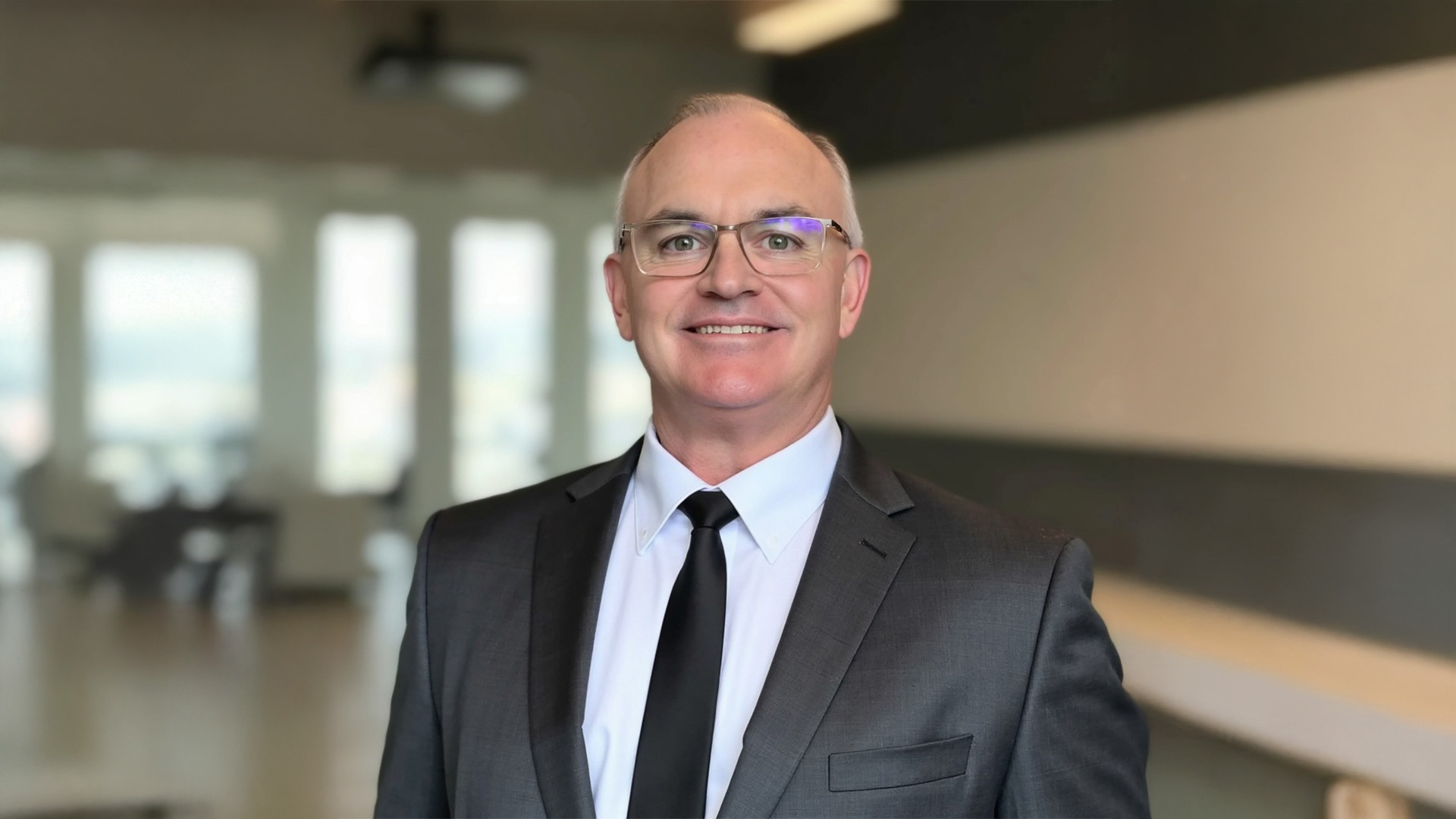

The question Cafarelli asked himself was, should the largest for-hire trucking company in the United States be this agile?. The sheer size alone argues against it. But Michael Cafarelli had a front-row seat and watched it operate at the speed and precision of a company a fraction of its size, and the reason was not technology, culture initiatives, or leadership philosophy. It was because their leadership had one scoreboard, specific targets, absolute focus, and nobody was confused about what winning looked like.
Cafarelli is a revenue and operations executive who has tripled output, rebuilt struggling organizations, and installed performance systems across complex businesses. That observation from the trucking world shaped everything he has built since. His entire framework traces back to a single conviction: most organizations are not hard to fix. They are hard to see clearly.
The Fog Is the Problem
Walk into any underperforming organization, and you will find capable people drowning in information they cannot act on. “I walk in, and within 30 to 60 days I think, gosh, we’ve got some really great people,” Cafarelli says. “Where they get stuck is ambiguity. There’s just so much information.”
His first move is subtraction. Strip everything back to one or two measurements tied directly to revenue. Define what winning looks like, map every role to those measurements, all the way to the front line, and then build a rhythm around it. Whether that’s weekly sprints, visible key performance indicators (KPIs), or real accountability, until the flywheel starts moving on its own.
Organizations invest in powerful platforms, only to discover that the field team spends 30% of its time entering data instead of generating revenue. A dedicated person gets hired just to manage the tool. “That tool should help people in the field drive revenue,” Cafarelli says. “If you need someone to manage the machine that’s supposed to drive your revenue, that’s not a tool. That’s a trap.”
Strategy That Actually Lands
Cafarelli translates strategy across three layers simultaneously. Company level sets the direction: revenue targets, margin goals, and operating ratios. Team level covers the mechanics: pipeline, funnel, and conversion. Individual level goes further: specific behaviors tied to specific outcomes, visible on a dashboard, owned by the person responsible for delivering them.
The meeting architecture is deliberately lean. Daily huddles of 10 to 15 minutes, weekly tactical reviews, monthly strategy sessions, and quarterly leadership meetings mean numbers are never hidden, regardless of how bad they are. “You can’t hide numbers, even for front-line people,” he says. The delivery is everything; bad news communicated poorly creates panic, bad news communicated with context creates ownership. His test for whether the strategy is working is clear: if someone cannot answer what they need to do today to hit their number, then leadership has not done its job.
Four Systems. No Heroics.
When Cafarelli steps into a struggling revenue organization, he is not looking for better people. He is looking to build better systems, because systems are fixable in ways that people rarely are. The four he installs as fast as possible are:
1. A Sales Operating System that standardizes every stage of the process and eliminates hero selling entirely.
2. An Accountability Rhythm built around daily huddles and top-down performance scorecards.
3. A Structured Coaching System of weekly one-on-ones that most managers have never run consistently.
4. And an Operational Optimization System that builds process improvement into how every role thinks about its daily work.
The philosophy underneath all four is the same. “We’re not going to run this organization on hope,” Cafarelli says. “We’re going to replace heroic effort with structure and process.” On underperformers, it is not the people you remove who damage an organization. It is the ones you keep past the point you should have acted. Any salesperson not generating at least 1.5 times their salary in sales cannot remain in the role. Fast decisions on that front are not ruthless; rather, they are what make the system work for everyone else.
90 Days to Last Longer Than 18 Months
The average chief revenue officer (CRO) tenure is 18 months. Cafarelli’s first 90 days are designed to beat that number. It is time to get honest about the real pipeline, real win rates, and real forecasting. Organizations need a clear revenue model to understand precisely how the business makes money. Miss any of those five and the clock is already running against you.
Follow Michael Cafarelli on LinkedIn for more insights on revenue leadership, sales operating systems, and building high-performance teams.

