
Uber solved ride-sharing. Airbnb solved accommodation. Amazon solved product retail. Every major supply-demand imbalance of the last two decades has attracted a category-defining platform – except one. The home care and caregiver industry is facing one of the most urgent demographic crises of our time, yet it still relies on phone calls and human coordinators who know only a fraction of the available supply.
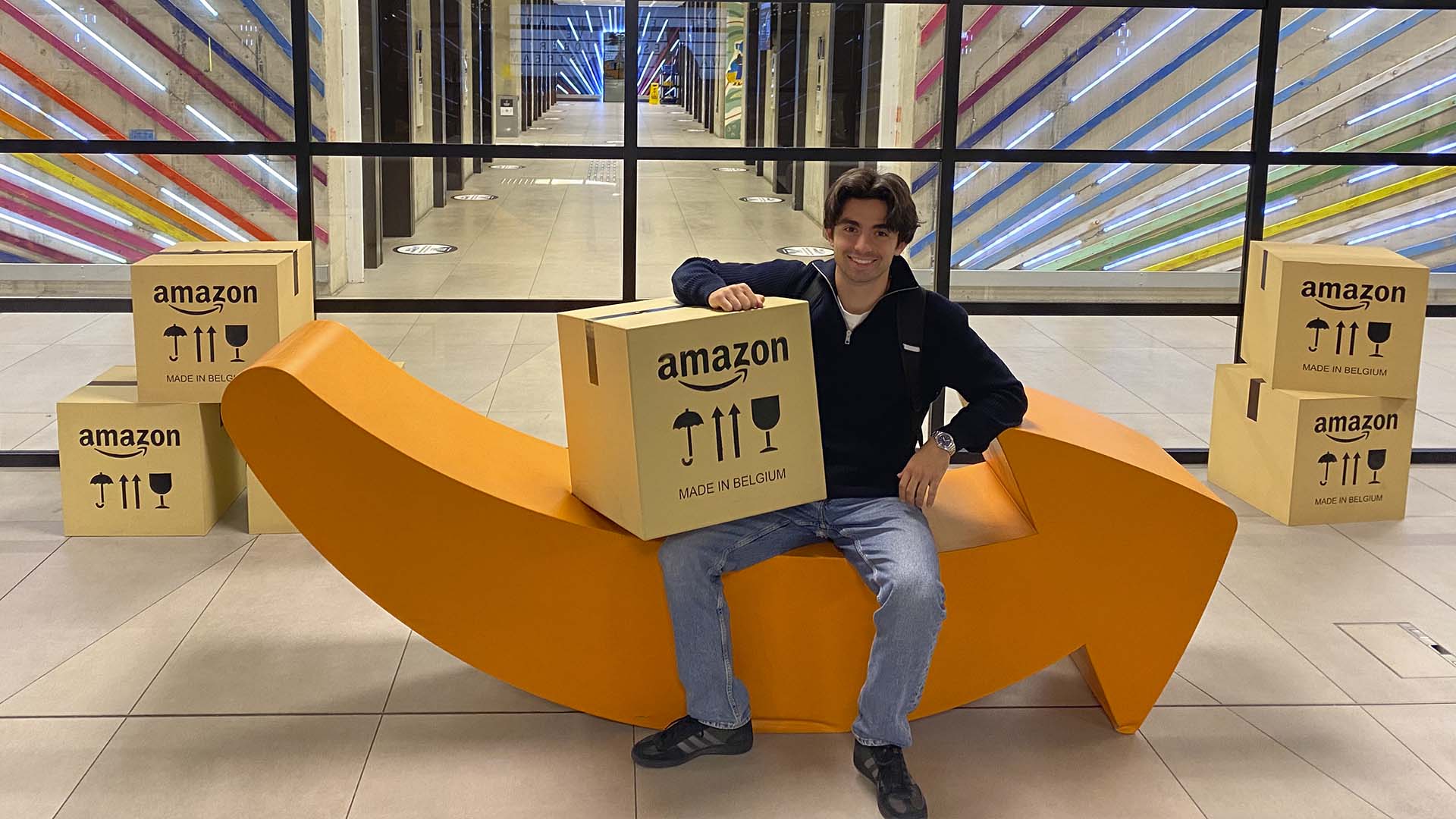
Nicolas Richard Castro, co-founder of Match with Care, came from Amazon to fix that. He believes the reason why technology has repeatedly failed to crack this market is as important as the solution he is building. “It’s not about throwing technology at the problem,” Castro says. “You have to throw it at certain gaps. The home care industry is deeply human, and past attempts failed because they didn’t respect that.”
The Supply Problem Technology Is Already Hiding
The aging population crisis is well-documented. What is less understood is that the caregiver shortage is not as absolute as it appears. In the UK, a large proportion of professional carers have gaps in their schedules or are seeking additional hours, yet many are not being connected to families quickly or efficiently enough. The bottleneck is not supply. It is matching speed.
Human coordinators know a fraction of the available caregivers at any given moment. A well-designed marketplace, supported by technology, can surface far more options and align them to a client’s needs in seconds. “Families can come to our platform, share their requirements, browse and shortlist carers, while our system helps surface the most relevant matches,” Castro says. “We combine that with human judgement to ensure the right fit—something a purely manual process simply can’t achieve at the same speed or scale.”
Technology does not eliminate the shortage. It masks it by deploying existing supply faster and more precisely than any human process can manage. A key example is how Match with Care uses AI agents to automatically collect and organize caregiver information to generate profiles, the same way Airbnb profiles a property or LinkedIn profiles a professional, driving rapid growth on the caregiver side of the platform.
Staggered Automation: Where Technology Stops, and Humans Start
The reason past technology attempts in home care struggled is because many tried to automate everything. Care is not an end-to-end automation problem. It is a staggered one, and knowing where to pause the technology is as important as knowing where to apply it. Technology can improve the initial match, then steps back to allow a genuine human connection to form. Technology returns for the administrative layer, payments, invoices, contracts, logging, then recedes again during the actual care visit, where it operates in the background, tracking visits without replacing the human delivering care. After the visit, it reappears to collect feedback.
“It’s automations with gaps for humans, then automation again,” Castro says. The emotional value of care is preserved not by avoiding technology but by being precise about where it belongs and where it does not. One of the platform’s largest current use of AI is not within the automations themselves, but lies within building them.
AI is being used to build clean, efficient automation pipelines that would previously have required far more engineering resources than the custom optimizations would have been worth. That changes the economic equation for the entire industry. Small gaps that were previously too costly to optimize are now worth fixing, which means the product improves faster and at lower cost than anything the previous generation of healthtech startups could have achieved.
Digitizing what already exists is not a competitive strategy. It is a slower version of the status quo. The home care platforms that scale globally will be the ones that match faster, match better, and understand precisely where technology ends and human care begins. Getting that boundary right is the entire game.
Follow Nicolas Richard Castro on LinkedIn and visit Match with Care for more insights on home care technology, caregiver matching, and building platforms that scale in deeply human industries.