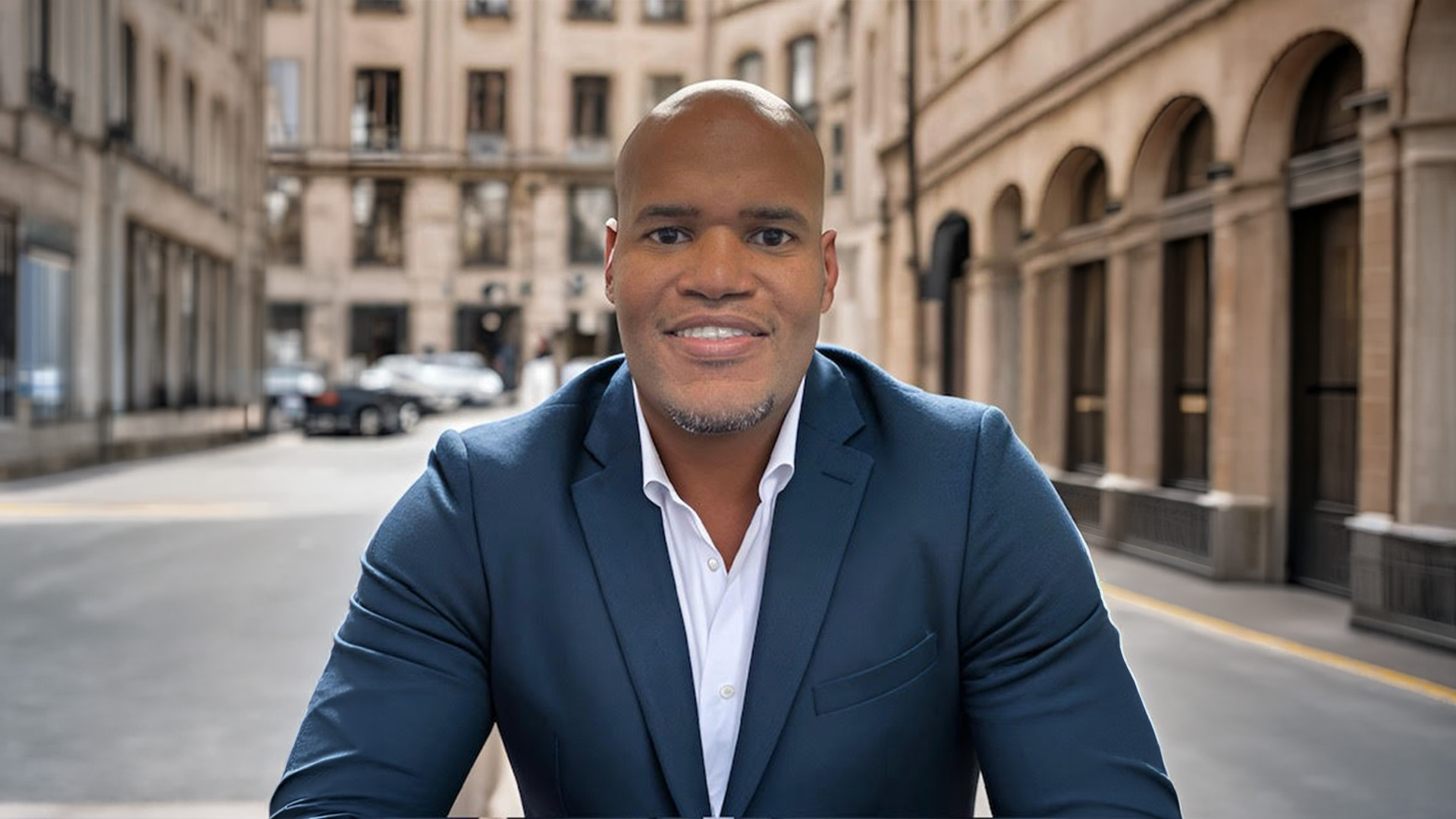

The biggest threat to growth can be a founder’s inability to step away. As companies grow, founders often remain the center of every decision, approval, and workflow, creating a founder bottleneck that limits scale. Wilkins R. Ortiz, Founder and Chief Executive (CEO) of Ortiz Virtual Consulting, has spent nearly two decades helping businesses eliminate that dependency. As a Fractional chief operating officer (COO), he works with small and mid-sized B2B companies to remove operational drag, improve revenue workflows, and create the kind of scaling structure that allows a business to function without constant founder involvement.
“As a founder, you are so invested in your business because that’s your baby,” Ortiz says. “You want nothing to go wrong with it. But you can’t do everything.” That mindset often keeps leaders trapped inside daily operations instead of focusing on growth. Ortiz argues that the real path to scale is learning how to build operational systems that create long-term operational ownership across the organization.
Why Founders Become the Bottleneck
Founders frequently believe their hands-on involvement protects the business. In reality, it often creates operational exposure. When every hiring decision, client approval, internal process, and customer issue routes back to one person, businesses become reactive instead of controlled. “If you look at all the big companies, the Metas, the Google, the Amazon, they’re not doing everything,” Ortiz says. “They have a team behind them.”
The issue is often a lack of trust. Before founders can truly begin replacing personality with operational systems, they need confidence that their teams can execute effectively. “The number one thing is trust,” Ortiz says. “If you don’t trust your team, you can delegate every day, but you’re still back at square one.” Without trust, even the best operational framework breaks down because founders continue inserting themselves into every process.
Start Small Before Scaling Structure
Many businesses make the mistake of attempting a full operational overhaul the moment inefficiencies appear. However, that instinct can create more chaos than clarity. Instead of rebuilding an entire company at once, “it’s just a recipe for disaster”, Ortiz focuses on one operational problem that is creating friction. That might involve fixing bookkeeping systems, improving onboarding, strengthening key performance indicator (KPI) tracking, or automating repetitive administrative work that consumes valuable time. The goal is to identify where operational drag is slowing the business down and solve that issue first.
Once the problem is identified, Ortiz builds a workflow designed to remove unnecessary founder involvement while improving consistency. The process is then tested to determine whether it produces better outcomes, protects margin discipline, and can operate with minimal oversight. If adjustments are needed, they happen early, before the system touches the broader organization.
Only after the workflow proves successful does Ortiz begin scaling structure across larger teams and departments. Eventually, the system expands company-wide. “We start small,” Ortiz says. “If something goes wrong, you can go back and fix it while it’s manageable.” That phased approach helps businesses move from reactive to controlled operations while creating repeatable systems that support long-term growth.
Automation Helps, But It Cannot Replace Leadership
AI tools and automation platforms have made small business operational systems more accessible than ever, but Ortiz warns that many founders mistake automation for operational maturity. “You can create a false sense of readiness if you rely too heavily on AI,” he says. He frequently sees founders invest heavily in automation while overlooking the strategic oversight required to guide it effectively. Technology can accelerate workflows, but it still depends on clear processes, accurate inputs, and strong decision-making to produce meaningful results.
Automation can improve efficiency, reduce manual work, and strengthen execution clarity, but only when human oversight remains in place. Strong leaders still need to monitor performance, maintain accountability, and ensure systems align with broader business goals. That is where outsourced operations leadership or virtual COO services can help founders build smarter workflows without surrendering strategic control.
Freedom Creates New Revenue Opportunities
The ultimate goal of operational systems is freedom. Ortiz recently worked with a husband-and-wife jewelry business that had operated the same way for 25 years. The company relied heavily on referrals and lacked the infrastructure needed to pursue new opportunities. After implementing stronger systems, the founders finally had time to pursue a new corporate jewelry division focused on colleges and organizations. “Now they have the time to go find new business,” Ortiz says.
That shift reflects what founders often miss: operational efficiency creates space for innovation. When leaders are no longer trapped managing every process, they can focus on expansion, strategic partnerships, and higher-margin growth opportunities. Sometimes that freedom means launching a new revenue stream. Sometimes it simply means taking a vacation or spending time with family. “You can’t try to run the business if you are in the business,” Ortiz says. For founders looking to scale without founder dependency, that lesson may be the most valuable system of all.
Follow Wilkins R. Ortiz on LinkedIn for more insights.