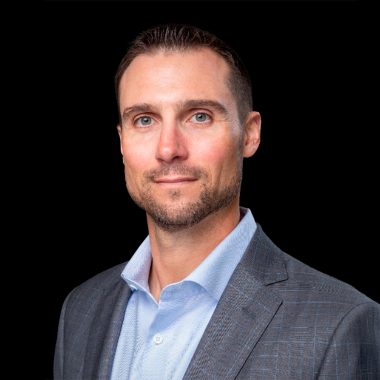

When a multifamily property sits at 60% occupancy, the instinct is to treat it as a marketing problem. Run more ads, offer concessions, and repaint the clubhouse. Monica Leane Morgan, founder of The Pivotal Companies and a multifamily operations expert, has taken properties from 60% to 100% occupancy, and she has a different conclusion. The property is not underperforming because of bad advertising. It is underperforming because there is no system, no revenue-generating engine where every touchpoint from the first phone call through move-in to renewal is optimized, measured, and repeatable. “A property doesn’t go from 60 to 100% because you ran better ads,” Monica states. “It happens because you built a revenue-generating engine.”
Own Your Revenue Engine or Rent It
The most consequential decision owners of underperforming assets keep avoiding is whether to build proprietary systems or continue outsourcing growth to parties with no skin in the game. The rented model looks familiar: a property management company treating the property as one of fifty clients, a marketing agency running the same playbook across every property it manages, a leasing team with no incentive tied to outcomes, and maintenance vendors billing by the hour rather than by result. Rented engines do not compound. They maintain, at best. “Do you want to be a landlord or do you want to be an operator?” Monica asks. The market does not reward ownership of doors. It rewards how those doors are operated. Portfolios built on proprietary systems generate gains. Portfolios still renting their revenue engine will be competing with those that built one.
The 30-Day Framework That Determines Everything
When The Pivotal Companies takes on a failing asset, the first 30 days are not about what gets done. They are about who takes ownership throughout that timeline:
- Days 1 through 10 constitute what she calls the brutal honesty audit. She sits with the leasing team, maintenance staff, and residents and asks what is actually broken. Most of the time, everyone already knows. They have simply never been asked. If leadership resists that step, Monica says the turnaround will not work.
- Days 11 through 20 involve installing a command center and a real-time dashboard that tracks occupancy, lead-to-lease ratios, maintenance response times, and resident satisfaction. Not theoretical key performance indicators (KPIs), but actionable daily metrics the team can see and act on.
- Days 21 through 30 are about momentum, one high-impact win executed fast. Cutting leasing approval time from 48 hours to 4. Launching an aggressive referral program. Resolving the 10 most-complained-about maintenance issues in one week.
- “By day 30, I know if this will work based on one question,” Monica says. “Is the team starting to believe?” Buy-in comes from proving the system works, not from presenting it.
AI As a Decision Accelerator, Not an Autopilot
Monica has built her own AI command center inside The Pivotal Companies, an assistant she named Cleo, and her perspective on AI in multifamily operations is grounded in how it actually performs rather than how it is marketed. The problem across the industry is not a shortage of tools. It is that operators are either adopting too many at once or using tools that do not communicate with each other, creating a fragmented landscape of dashboards that nobody uses. Corporate-level technology decisions frequently fail to account for whether on-site teams can actually access and benefit from them. Monica cites a new-construction building that deployed self-guided virtual tours without Wi-Fi, a technology investment that yielded nothing.
AI accelerates better decisions when users know what to ask, how to ask it, and how to frame the AI’s role. Monica learned this directly. Cleo once misread a dashboard and returned incorrect data. She caught it internally, corrected the error, and retrained the system on where the data actually lives. The discipline required is real. So is the return after feeding eight years of revenue data into her AI and asking it to surface anomalies, Monica discovered that two services she had offered for years were costing more in labor hours than they generated in revenue. Both were tabled.
In two years, portfolios will be divided clearly between those still reacting to market shifts with flat occupancy and those running like operating companies, compounding gains, and scaling with lower cost per door. The decision is available to every owner right now. Most are still avoiding it.
Follow Monica Leane Morgan on LinkedIn or visit Pivotal for more insights on multifamily asset stabilization, operational turnarounds, and building revenue-generating systems that compound.