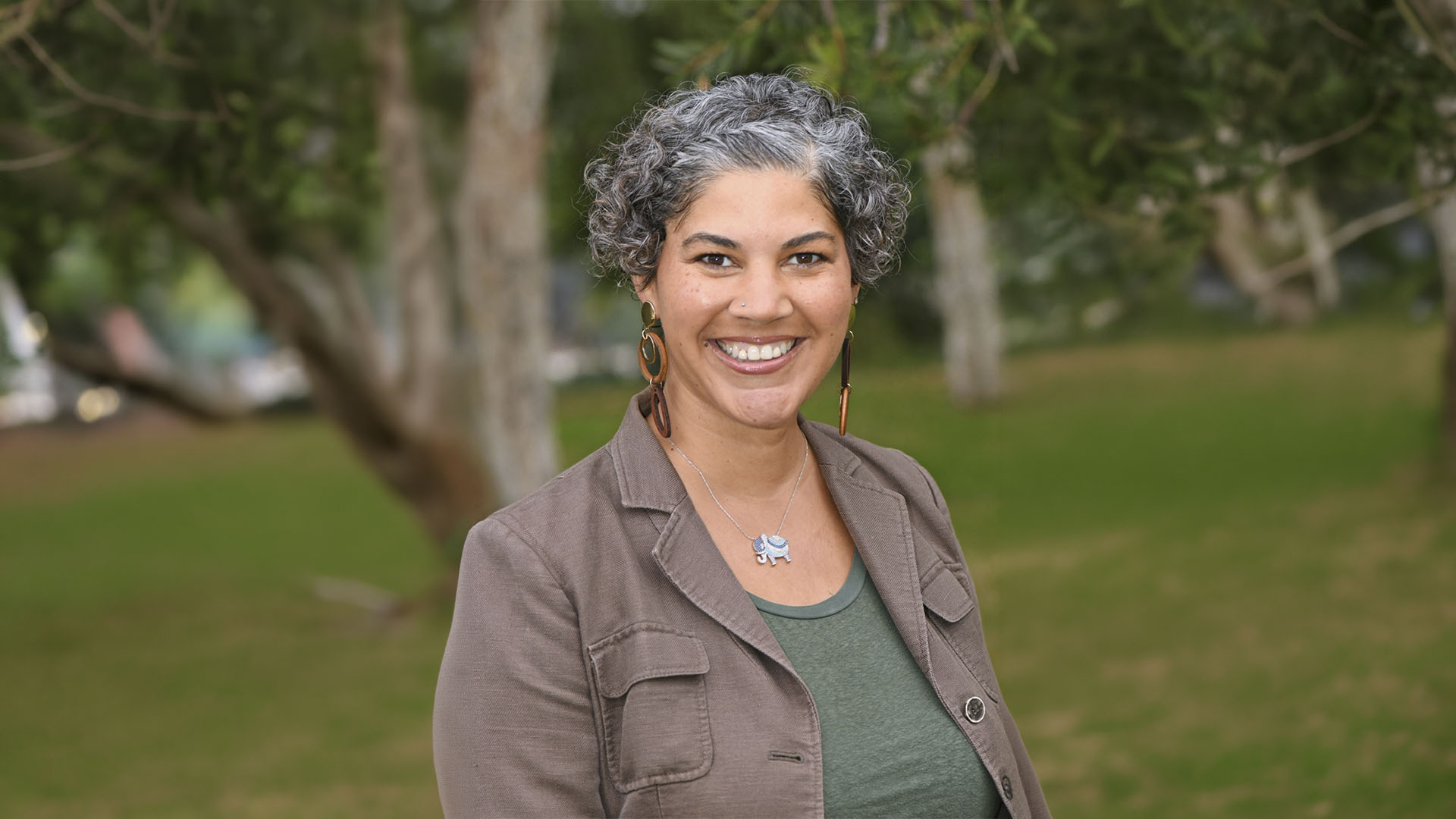

There’s an uncomfortable disconnect with which many professionals are familiar. Organizations publicly champion collaboration, innovation, and accountability, while employees experience something entirely different. Sarah Tinsley believes the breakdown usually starts with leadership behavior. “It’s when leaders are behaving in a way that contradicts what the organization is saying they value,” says Tinsley, Chief Operating and People Officer (COPO) at Curtis School. “Employees are incredibly perceptive about behaviors, and that’s what erodes faith in leadership.”
Across healthcare, education, entertainment, and cultural institutions, Tinsley has spent more than two decades strengthening leadership in complex organizations, helping executive teams move from reactive problem-solving to sustainable performance. “When it’s truly driving the business, you’ll feel an alignment between both leadership and what they say and how employees actually experience their day,” says Tinsley. “Culture stops being a slogan and starts showing up in your day-to-day operations.”
Why Organizations Fail at Culture Alignment
This disconnect directly affects organizational performance. A company may claim to value collaboration, while rewarding only a select few voices. Another may promote innovation while penalizing employees for mistakes. Over time, employees stop trusting the stated values, because they no longer see cultural alignment reflected in daily operations. Tinsley argues that organizations must stop treating culture as branding and start viewing it as infrastructure. “The first thing a chief executive officer (CEO) should do is stop treating culture as a communication exercise and start treating it as an operational system,” she says.
Building Accountable Leadership Teams
One of the most overlooked areas in workforce strategy is leadership development itself. Organizations frequently promote technically strong employees into management positions without equipping them to lead people effectively. It’s a gap noticeable across industries. “One of the biggest blind spots in organizations is executives who are promoted with very little leadership training,” she says. “If they’re only hearing positive information constantly, that should be a red flag.”
Tinsley emphasizes that leadership effectiveness is built through trust and consistent engagement, including understanding employees as complete individuals. “When you’re thinking about the total person versus just what can you do for me as an employee, people feel invested,” she says. Equally important is involving employees in defining goals and solutions rather than dictating every answer from the top down. “Leaders who believe they need to have all the answers often create environments where employees stop contributing honestly,” says Tinsley.
From Fear-Based Management to Sustainable Performance
One of the clearest barriers to innovation is fear. Organizations that punish mistakes often create cultures where employees become more focused on self-protection than problem-solving. Tinsley recalls a leadership exercise from her time in corporate healthcare built around the concept of “failing faster and sooner,” designed to challenge perfectionism and encourage adaptability. Part of the exercise required participants to stop entirely at certain points and hand work off to another teammate, reinforcing that innovation is often collaborative rather than individual.
“When people are more concerned with protecting themselves than solving the problem, innovation slows down very quickly,” says Tinsley. “The organizations that evolve most effectively are often the ones where employees feel safe taking thoughtful risks, adjusting quickly, and learning openly from failure.”
While many leaders assume employees resist change itself, Tinsley believes the deeper issue is uncertainty. “People don’t automatically resist change because change is bad,” she says. “People resist uncertainty, inconsistency, and fear of what change means to them.” Tinsley points to the pandemic as a defining lesson in workforce strategy. Organizations that adapted successfully were often the ones willing to evolve quickly while keeping employees informed and involved. “The most detrimental thing to organizations is not movement,” she says. “We need evolution.”
The Future of People Strategy Is Organizational Agility
As AI, automation, and operational systems continue accelerating, Tinsley believes many executives are underestimating the pace at which leadership practices must evolve alongside them. “Human resources is a strategy component of what makes a business successful,” she says. “It’s as equal as all the other components that make a business successful.”
That shift is changing how chief human resources officers (CHROs) deliver measurable business impact. Companies can no longer rely on outdated management assumptions while expecting modern employees to remain engaged. Different generations bring different expectations around flexibility, leadership style, communication, and purpose. “It’s not about how big the shark is, it’s about how fast it moves,” says Tinsley. For leaders navigating increasingly complex organizations, that speed will depend on aligning leadership behavior with business outcomes to be in the best position to thrive.
Follow Sarah M. Tinsley on LinkedIn or visit her website for more insights.