
From education to career progression to retirement, the traditional structure of professional life has followed a fairly predictable sequence. But as social expectations, career paths, and workplace norms evolve, this model no longer reflects how people live or work. Longer life expectancy, shifting economic realities, and the rapid obsolescence of skills are reshaping the relationship between identity and work, pushing professionals toward what many now describe as a multi-stage life.
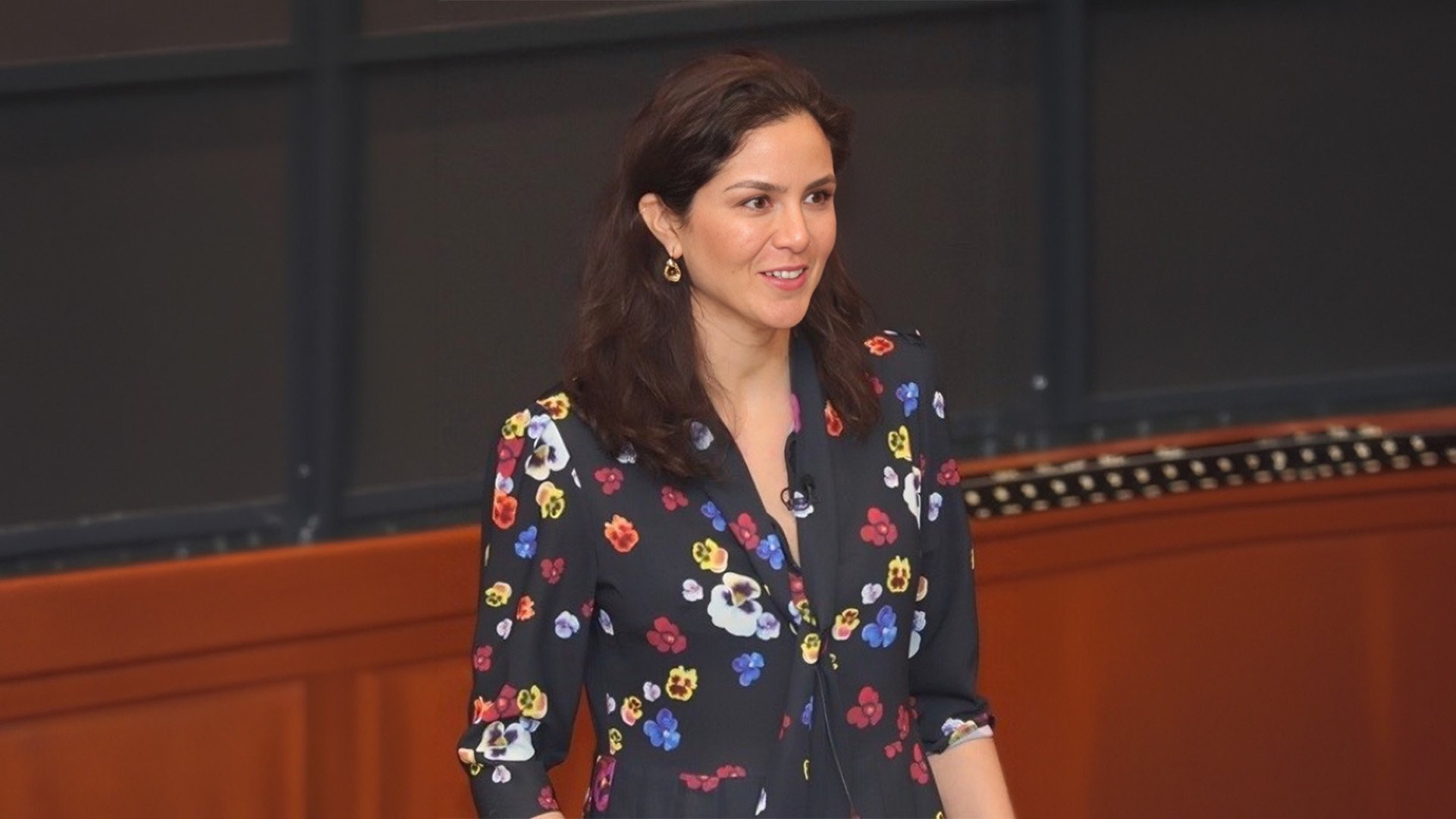
“We’re seeing a cyclical approach instead of a straight line,” says Gamze Dinckok Yucaoglu, co-founder of What’s Next Initiative. “Education comes back to our lives. We take breaks for education. We continue lifelong education while we’re working. And our work life comes in cycles as well.” Former Harvard Business School case writer, Yucaoglu has spent the past two years studying this change and shares how this shift is shaping the future of work.
From Linear Careers to Cylical Working Lives
In the traditional model, there’s a baseline assumption that education completed in early adulthood would sustain a person through an entire career. The pace of technological and economic developments has changed the equation. Yucaoglu describes this as part of the “longevity economy,” where longer lives, evolving priorities, and rapidly changing industries are reshaping the future of work. The knowledge gained in college can become outdated within a few years, making continuous learning essential to human capital longevity.
At the same time, people are working longer, both by necessity and by choice. “People no longer want to retire when they reach 60 because they still feel they have a lot to give,” she says. “But also, most people can’t afford retiring at 60 and living until 90.” We are already seeing the consequences of this reality play out in the workforce, with more professionals pursuing second careers and reinventing themselves at different stages of life. Professionals are returning to school, taking sabbaticals, leaving established industries, and reassessing what meaningful work looks like during different stages of life.
It’s forcing companies to rethink retirement in the longevity era, while also challenging individuals to reconsider how they define success. “I had to remind myself that I am bringing my whole self into my new career,” she says, reflecting on her own transitions from the energy sector to academia and later to What’s Next, while pursuing a master’s degree in psychotherapy. “It is just the title I am leaving behind”
Experience Is a Launchpad
One of the most overlooked realities of career reinvention is the identity disruption that accompanies it. Professionals with decades of experience often struggle to separate their sense of self from their professional role. “For many of us, our identity becomes so intrinsic or so enmeshed with our career that once we leave the career, we feel like we’re leaving everything with it,” Yucaoglu says. Skills, relationships, judgment, resilience, and perspective remain transferable even when industries change, and that mindset is increasingly important. Today’s professionals must navigate working longer and adapting to evolving industries over a potentially 50-year career span.
This is particularly relevant for professionals entering unfamiliar industries later in life. Yucaoglu has seen that many of what she calls “midlife professionals” occupy a difficult middle ground. They usually possess wisdom and strong communication skills, while also having to learn and adapt within an entirely new industry. “They’re accomplished in one area, they’re starting new in a different area,” she explains. “They look older, they’re wiser, but they have to work with people who are 10 years younger than them.”
What HR Leaders Are Missing About Longevity
While organizations speak frequently about innovation and talent retention, many still underestimate how longer lives are reshaping career design. Companies remain overly focused on developing younger employees, while overlooking the long-term value of older workers. “Those older workers have a lot of know-how and wisdom and they’re going to stick around for much longer because they’re not going to want to retire,” she says.
How CEOs should prepare for a longevity-driven workforce increasingly depends on whether organizations can redesign career structures to support five generations working side by side. That includes investing in upskilling across all age groups, creating pathways for internal reinvention, and normalizing career pauses, sabbaticals, and lateral transitions. It also requires companies to engage in conversations many have historically avoided.
“The most difficult one is to create the spaces for the elder workers to have an honest conversation about how they’re thinking about their careers within the organization,” Yucaoglu says. “The way it is being dealt with is mostly by avoidance.” Avoidance may become increasingly costly. Companies that fail to support workforce longevity risk losing institutional knowledge, while struggling to retain experienced employees who still want to contribute but no longer fit traditional career models.
Building a Longer, More Meaningful Working Life
Institutional support systems remain underdeveloped for professionals currently navigating mid-career transitions. Many workers in their 40s and 50s are effectively creating the blueprint as they go. “The old model of learn, work, retire has expired,” she says. “The new model has not settled in.” That uncertainty has created a period of reflection and Yucaoglu’s work emphasizes introspection, agency, and the courage required to rethink one’s path.
“The answer is not surrendering to 10 or more years in a career that no longer feels aligned,” she says. “Transitions are not easy, but neither is spending years with a career that no longer feels purposeful.” The broader significance of the longevity shift is about redefining what a career path looks like over a much longer lifespan. This represents both challenge and possibility. “Those of us who are in midlife will go through this,” she says. “We should go through it with courage to pave the way for others.”
Follow Gamze Dinckok Yucaoglu on LinkedIn for more insights, or learn more about What’s Next on their website.