
There have been major advances in molecular testing, but the process surrounding the sample itself remains a big challenge. Delays in sample collection, preparation, and transport continue to affect specimen integrity and diagnostic accuracy, particularly in settings that rely heavily on centralized laboratories. As healthcare systems push toward faster infection diagnosis, many experts believe the future of rapid diagnostics depends as much on improving clinical workflows as on advancing the tests themselves. “The biggest barriers are no longer just the test itself, but the entire workflow. The future of molecular testing is not centralized labs, it’s testing where the biologic risk exists,” says Dr. Leonard E. Weisman, Founder at LabReady.
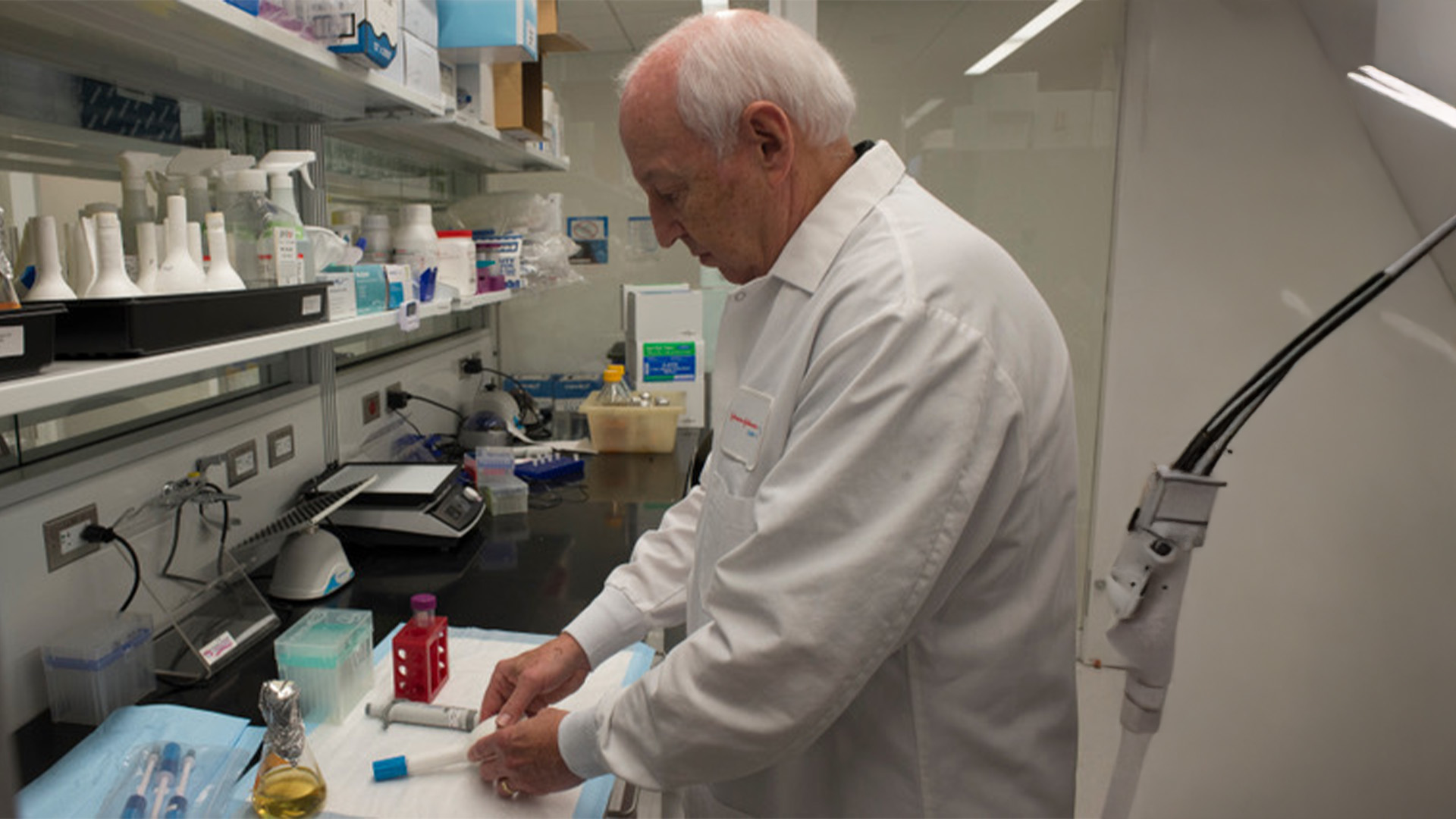
One of the world’s leading neonatologists, he believes the future of rapid molecular testing at the point of care depends less on the test alone and more on eliminating the barriers that exist between the patient and the result. Dr. Weisman moved from physician and researcher to innovator in decentralized testing and artificial intelligence (AI)-powered diagnostics. After four decades in neonatal medicine, where he witnessed the devastating consequences of delayed or inaccurate diagnoses, he shifted his focus toward solving one of healthcare’s most overlooked problems: sample transport and specimen integrity. “The result is only as good as the sample,” he explains. “Even the best molecular test can’t take a poor sample and make a good result.”
Why The Specimen Journey Determines Diagnostic Accuracy
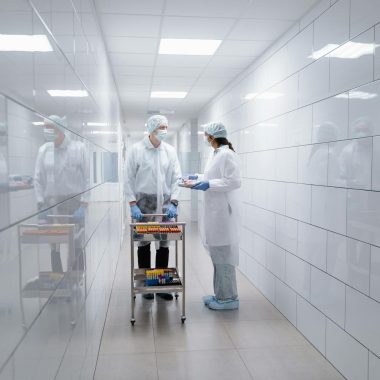
Traditional molecular testing workflows still rely heavily on centralized laboratories, trained personnel, and extensive sample transport systems. That dependency introduces delays, increases infrastructure costs, and creates opportunities for compromised specimens. In many cases, the issue is not the molecular testing technology itself, but the time and handling required between collection and analysis.
The specimen journey, including collection, transport, and preparation, is the real bottleneck in modern diagnostics. His work at LabReady has focused on reducing misdiagnosis through better sample prep and automated specimen preparation technology designed to eliminate many of those logistical vulnerabilities. This approach has implications far beyond hospitals. Pathogen detection is becoming increasingly critical in agriculture, food safety, military settings, and public infrastructure. “A rapid test is only truly rapid if the sample journey itself is rapid,” he says.
Bringing PCR Closer To The Source Of Risk
The next generation of point-of-care testing is moving away from large, centralized facilities and toward portable systems capable of delivering real-time infection diagnosis anywhere. Dr. Weisman’s vision for the future of decentralized molecular diagnostics centers on creating a point-of-care qPCR (quantitative polymerase chain reaction) platform that can operate closer to the environments where biological risks emerge, including clinics, emergency rooms, farms, restaurants, buildings, and eventually private homes. “Testing must become simpler, faster, more cost-effective and usable closer to where the risk exists,” says Dr. Weisman, whose current focus is the development of a pocket-sized rapid PCR testing platform that combines onboard AI with multiplex PCR capabilities. The goal is automating human sample testing for infections without requiring advanced laboratory expertise.
The broader impact of bringing PCR to physicians’ offices and community settings could be substantial. Rural populations, elderly patients, immunocompromised individuals, and low-resource communities often experience the greatest delays in molecular testing because they are furthest from centralized lab infrastructure. “The biggest beneficiaries are the people and environments least connected to traditional laboratory infrastructure,” Dr. Weisman says.
How Edge AI Transforms Diagnostic Testing
AI is increasingly reshaping the future of molecular testing, but Dr. Weisman believes its most important contribution is accessibility. “AI is really the bridge between sophisticated diagnostics and real-world accessibility,” he says. Edge AI allows advanced diagnostic systems to automate interpretation, improve quality control, and simplify clinical workflow without relying on constant connectivity to large, centralized computing systems. That shift is critical for enabling rapid molecular testing at the point of care across environments that traditionally lacked access to sophisticated diagnostics.
Edge AI is proving essential to scaling rapid diagnostics safely outside specialized laboratories. AI-assisted systems can reduce human error, streamline infection diagnosis, and support faster decision-making in settings ranging from hospitals to military operations. “There are devices out there that are beginning to make this dream a reality,” he says. Instead of waiting days for laboratory confirmation, clinicians could move toward earlier detection and faster responses to infectious threats.
The Push Toward Continuous Biological Awareness
Healthcare leaders must prepare for a significant shift over the next five years, one where molecular testing becomes portable, automated, and deeply integrated into daily clinical operations. “We’re moving toward portable AI-assisted real-time molecular testing that is faster, cheaper, and closer to the source of risk,” he says. That transition could redefine how healthcare systems approach infection diagnosis, outbreak monitoring, and misdiagnosis prevention. Rather than reacting to disease after symptoms escalate, organizations may increasingly rely on continuous biological awareness supported by decentralized testing infrastructure.
Despite the technological progress already underway, the primary barrier is no longer scientific capability. “We have the technology to do it today,” he says. “The focus for us has been raising the funds to do it.” As investment capital continues flowing heavily toward large-scale AI infrastructure, portability and distributed diagnostic capability remain underfunded despite their clinical potential.
Follow Dr. Leonard E. Weisman on LinkedIn for more insights on decentralized molecular diagnostics, AI-powered point-of-care testing, and the future of rapid infection detection.