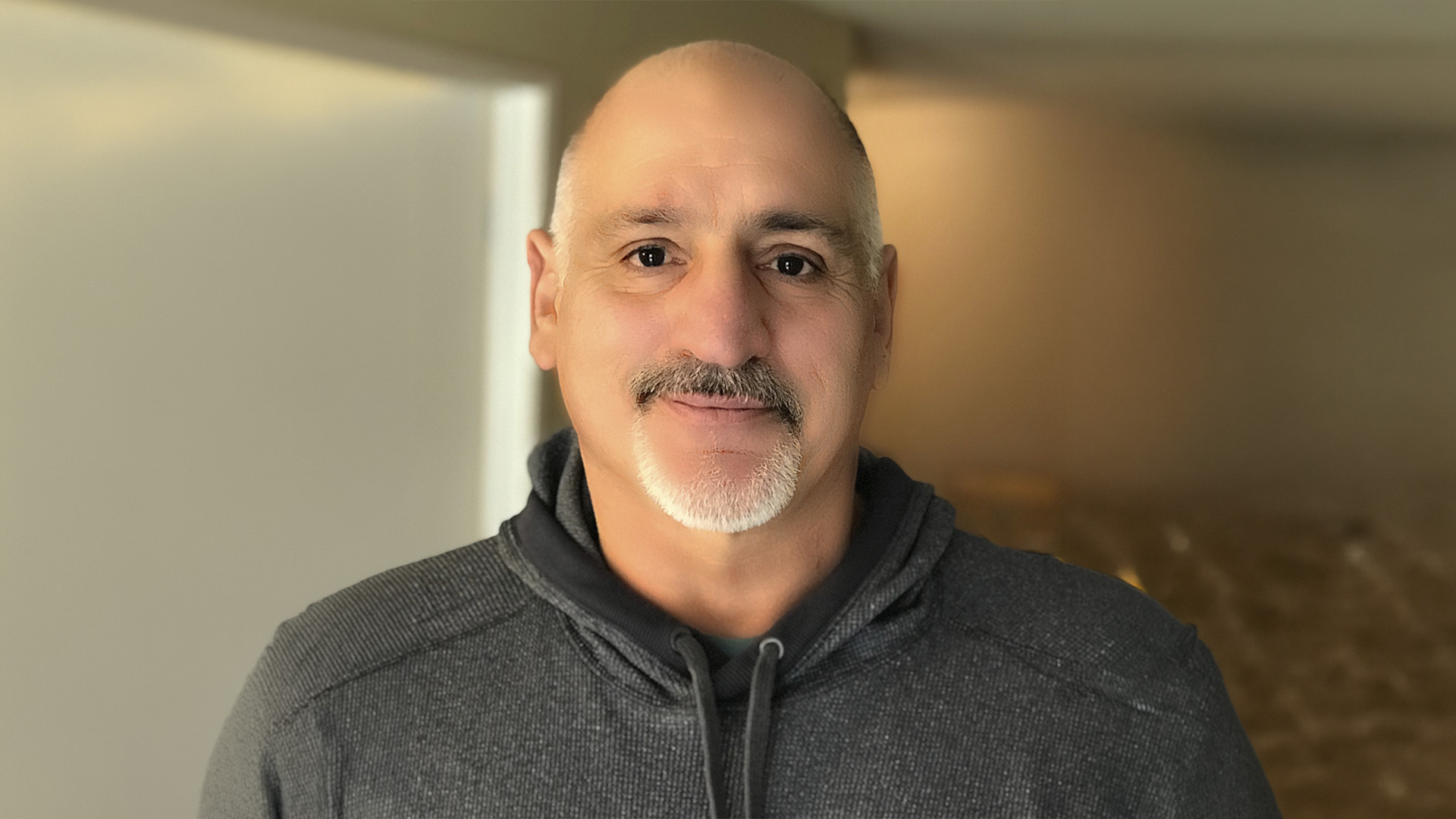

The challenge facing enterprise leaders is information overload. Organizations are operating in a state of constant acceleration where market signals shift rapidly, customer expectations evolve overnight, and decision cycles struggle to keep pace. Harry Karidis, producer, director, and cinematographer, says that many enterprises are experiencing a condition he calls “present shock.”
“Teams can’t focus because everything feels like it’s urgent, but nothing feels like it’s important,” says Karidis, known for his pioneering work in digital media and innovation with emerging tech. Drawing on Alvin Toffler’s concept of Future Shock, Karidis describes present shock as the reality of living in a “permanent now,” where urgency overwhelms focus. The result is fractured teams, eroding trust, and organizations that chase metrics rather than outcomes. Karidis believes the answer lies in real-time collective intelligence in strategy, a model designed to help enterprises regain coherence and accelerate decision-making without sacrificing human judgment.
The Cost of Present Shock
Present shock manifests when organizations lose coherence in attention, relationships, and identity. As digital transformation accelerates, enterprises often find themselves drowning in data while becoming less certain about what truly matters. Silos deepen as teams become consumed by competing priorities. Trust begins to erode across departments, and leaders struggle to maintain a clear organizational purpose. The consequences extend beyond operational inefficiency. They affect enterprise strategy itself.
This environment creates a dangerous paradox. Businesses have access to more information than ever before, yet strategic clarity becomes increasingly difficult to achieve. How enterprises solve present shock, Karidis says, depends on their ability to distinguish signal from noise while preserving alignment across the organization.
SHOCK and the Rise of Real-Time Intelligence
Karidis developed SHOCK, “Swarming Humans Optimized for Collaborative Knowledge,” as a framework for enterprise adaptation through real-time intelligence. The concept combines expert networks, cultural intelligence, and data-driven insights into what he describes as a living swarm. “What we’ll do is take the existing people in your organization, or we have a wide network of polymaths, experts in more than one field, and we connect them together in real time, just like a living swarm,” he says.
Rather than relying solely on traditional reporting structures, organizations connect specialists and cross-disciplinary thinkers in real time, allowing them to surface emerging opportunities and risks as they happen. By layering cultural signals and real-time intelligence alongside operational data, organizations can respond to change faster and with greater confidence without sacrificing context or insight.
Polymaths Matter More Than Algorithms
At the heart of Karidis’s philosophy is the belief that innovation adoption depends on human wisdom as much as technological capability. “AI doesn’t have yet and may never have wisdom and true experience,” he says. “You have to keep the human at the center.”
Karidis points to historical figures such as Leonardo da Vinci and Albert Einstein as examples of how breakthroughs often emerge from cross-disciplinary thinking. This same principle now applies to enterprise strategy, where the most valuable contributors are those who can connect ideas across domains, combining technical expertise with cultural understanding, creative thinking, and practical experience.
Visual Engagement and Faster Decision Cycles
Karidis has spent much of his career exploring visual engagement using emerging technologies to create immersive experiences that improve understanding and participation. He’s found that the same principles apply inside modern organizations. Building these immersive enterprise experiences is about creating environments where information becomes actionable. Visual engagement for better decisions helps leaders understand patterns, identify cultural shifts, and respond more effectively to changing conditions.
One of the greatest obstacles, however, remains organizational inertia. “Most companies are still stuck in slow top-down decision loops,” Karidis says. The technology exists to enable real-time collaboration, but leadership often hesitates to embrace decentralized intelligence. Trust gaps and fear of losing control frequently slow progress more than technical limitations. The organizations that succeed are those willing to move beyond traditional quarterly planning cycles. Digital innovation for faster decision cycles enables teams to adapt weekly, or even daily, as circumstances change.
The Human Advantage in an Accelerating Future
As emerging technologies reshape enterprise strategy, Karidis believes the most successful organisations will be those that preserve their humanity while embracing new capabilities. “The actual intelligence still comes from real people living in the real world, sharing their real experiences,” he says. Transparency allows organizations to understand where insights originate, strengthening trust and improving decision quality.
Ultimately, the future of digital media leadership and enterprise adaptation depends on maintaining purpose amid constant change. Enterprises that stay coherent in their attention, relationships, and identity will be better positioned to navigate uncertainty and recognize opportunities before they appear in conventional data streams. For Karidis, real-time collective intelligence is a leadership model designed to help organizations think together, learn together, and act with greater clarity in a rapidly changing environment.
Follow Harry Karidis on LinkedIn or visit his website to learn more.