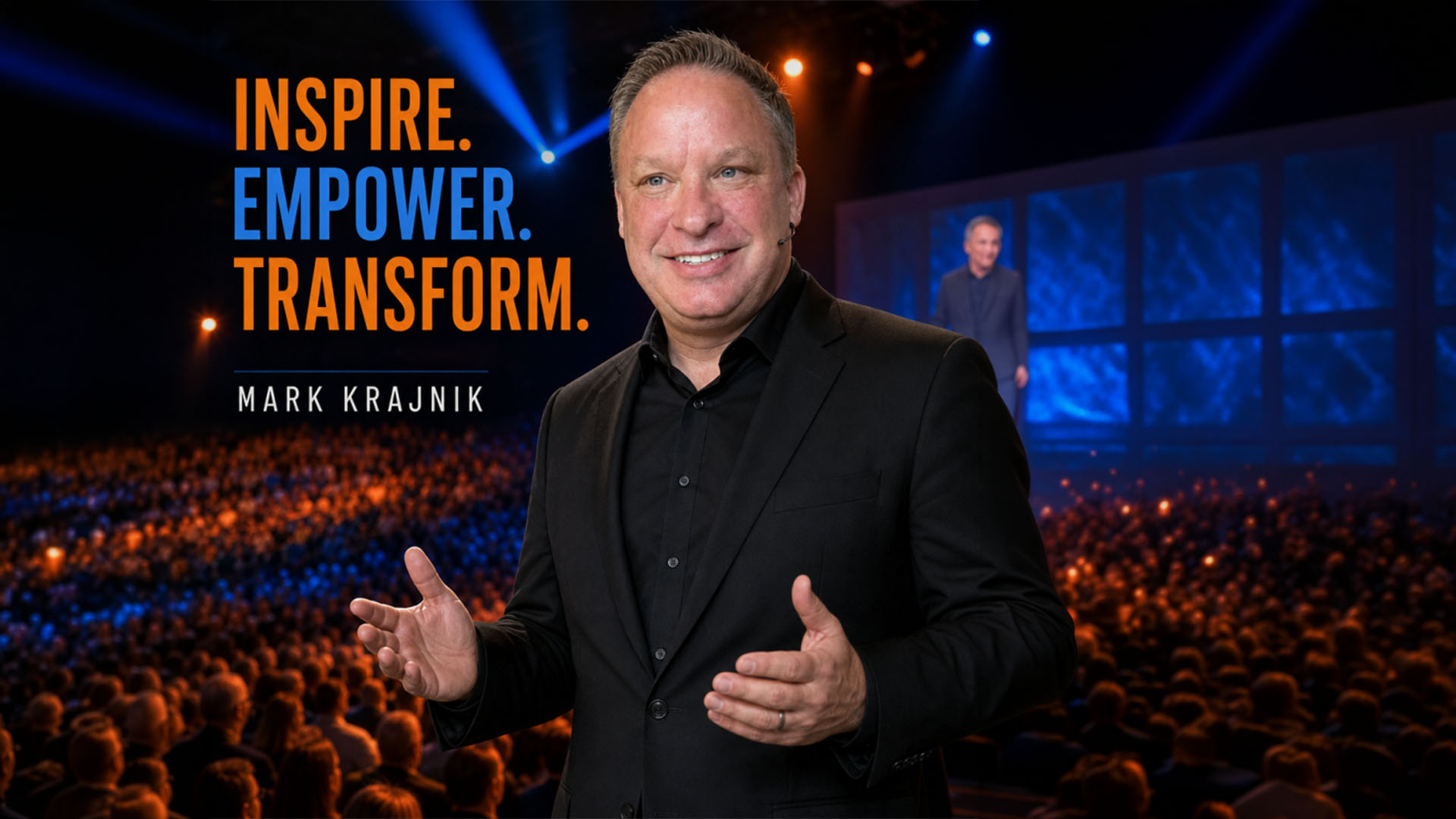

It’s a common mistake to assume performance challenges stem from talent shortages or inadequate technology. Mark Krajnik, Founder and Chief Executive Officer (CEO) of Performance Mindset Associates (PMA), says the real obstacle lies in alignment. “Performance isn’t driven by pressure. It’s driven by clarity, mindset, and culture.”
As organizations pursue executive leadership development for growth companies while navigating hybrid work, talent shortages, and evolving employee expectations, Krajnik helps leaders achieve this alignment through clearer priorities, stronger accountability, and more intentional leadership practices.
For more than three decades, he’s helped organizations unlock hidden organizational capacity by aligning leadership, culture, talent, and execution. His central premise is that sustainable business growth begins with a performance mindset that connects people strategy with business strategy.
Why Leadership Alignment Determines Organizational Performance
Activity doesn’t equal progress. Calendars packed with meetings, overflowing inboxes, and endless task lists may create the illusion of productivity but usually mask a lack of organizational alignment. Organizations frequently operate below their potential, not because employees lack ability, but because leadership transformation has failed to create the clarity and accountability necessary for people to excel. “The difference between 60% and 90% capacity isn’t usually more people or more technology. It’s better clarity,” says Krajnik, who describes this as the “activity trap,” where teams stay busy without moving the business forward.
Building high-performance organizational cultures begins with ensuring employees understand not only what success looks like, but also how their work contributes to a larger mission. When executive teams establish shared priorities, accountability becomes consistent, and high-performing teams emerge naturally. Rather than relying on constant oversight, leaders create an environment where employees understand expectations and execute with confidence.
Culture Reflects Leadership Behavior
Culture building is often treated as a separate initiative, yet Krajnik sees it as the direct outcome of leadership behavior. “Culture is simply leadership behavior repeated over time,” he says. “Every conversation, every discussion, every reaction teaches an employee what is and is not acceptable in this workplace culture.”
This perspective reframes executive coaching as more than individual development. Leadership coaching for C-suite executives becomes the catalyst for organizational change because teams rarely outperform the leaders guiding them. Leaders who replace micromanagement with trust encourage initiative, collaboration, and accountability throughout their organizations.
As a result, executive team alignment and accountability become embedded in daily decision-making. Employees stop seeking approval for every action and begin solving problems independently. Innovation accelerates because trust replaces fear, allowing people to contribute solutions rather than simply escalating challenges.
Sustainable Performance Requires Energy, Not Exhaustion
As organizations pursue rapid growth, many associate long hours with high performance, yet rising burnout often signals deeper operational and cultural issues rather than true effectiveness. “If burnout is increasing, you’re not scaling performance. You’re scaling dysfunction.”
Reducing employee turnover through culture change requires more than wellness initiatives. It demands a workplace where employees experience clarity, capability, and connection. First, people need a clear understanding of priorities and organizational goals. Second, they require continuous leadership development, coaching, mentoring, and timely feedback to strengthen capability. Finally, they need meaningful connection by feeling valued, supported, and part of something larger than themselves. “Burnout happens when effort exceeds meaning for too long,” Krajnik explains. “The goal isn’t more hours. The goal is better energy, better focus, better flow, and better execution.”
Performance Mindset Matters More Than Physical Presence
Remote and hybrid work have intensified conversations around productivity, but Krajnik believes many organizations are still measuring the wrong indicators. “The biggest misconception is that proximity creates performance,” he says. “Visibility and performance are two separate things.” Organizations that thrive in distributed environments focus on outcomes rather than activity. Instead of monitoring screen time or physical presence, they establish clear expectations, consistent communication, and shared accountability.
More often, people disengage because they feel disconnected, unsupported, or underappreciated, whether they are remote, hybrid, or in person. Creating engagement-driven workplace cultures therefore depends less on location and more on leadership’s ability to intentionally build trust and belonging across teams.
The Capacity CEOs Are Looking For Already Exists
For CEOs seeking transformational growth, Krajnik believes the work starts with self-reflection rather than new systems or organizational charts. “The first question every CEO should ask is, ‘What behaviors am I rewarding, tolerating or unintentionally creating?'” How leaders drive organizational performance ultimately comes down to the standards they model every day. When accountability, transparency, trust, and growth become leadership habits, they spread throughout the organization. Conversely, tolerating poor communication or mediocrity creates cultures that limit performance.
Connecting business strategy with people strategy remains Krajnik’s defining philosophy. By aligning leadership, talent, culture, and execution, organizations unlock performance that already exists within their people. “People drive performance. Culture sustains it. And a performance mindset unlocks it.”
Follow Mark Krajnik on LinkedIn or visit PMA for more insights on leadership, culture, and high-performance teams.