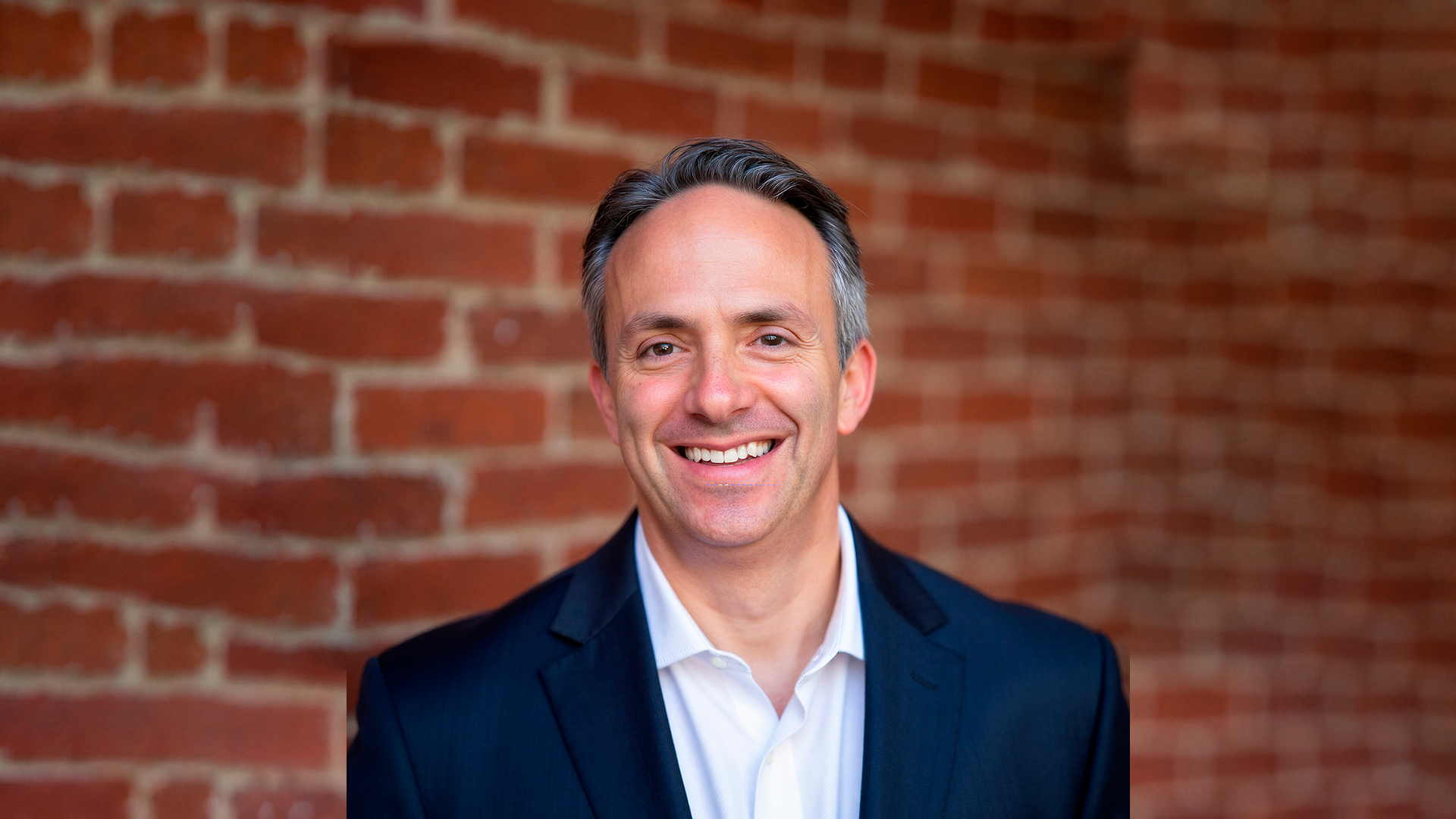

In real estate and mortgage lending, a slowing market has a way of exposing who really drives revenue and who simply reports on it. Vince Daino, an executive working across mortgage and real estate services, argues that standard corporate cultures often train managers to avoid the very ownership that early-stage company founders take for granted. In big organizations, missed goals are routinely passed between committees, department heads, and process reviews. Daino believes closing that gap requires executives to drop the corporate buffer and adopt the direct responsibility of a business owner.
The Trap of Shared Blame
Corporate hierarchies make it easy for managers to hide behind review cadences and performance dashboards, while missing actual revenue targets. Early-stage company founders do not have that cushion because they cannot pass missed goals off to an internal working group. “Founders cannot distribute failure,” Daino says. “There is no process to blame, no committee to point to, no boss to absorb the result. When the business fails, the founder failed.” Career executives learn early on to spread accountability around, which often looks like teamwork but simply delays owning the end result. To test whether a leader is truly driving growth or just riding along with market tailwinds, Daino uses a straightforward benchmark. He challenges managers to prove that their particular actions created the numbers rather than general market luck. “If your results disappeared tomorrow, could you explain exactly which decision produced them? If not, you didn’t build the result. You were present when it happened,” he notes.
Leading From the Front Line
Instead of building compliance layers to police staff, Daino argues that real accountability begins with the person running the division. “Most accountability structures are designed to measure people. A founder’s accountability structure is designed to move the business,” he points out. When a sales team struggles to hit targets, Daino looks in the mirror first to see what tools or clarity he failed to deliver. As he puts it, “Accountability in a sales organization flows down from behavior, not policy,” meaning leaders must ask, “What did I do to produce this result?” before asking, “What did my team do?”
That philosophy delivered clear gains in a tough environment, generating a 51 percent rise in closing volume in 2025 and a 53 percent jump in the first half of 2026, while the wider market grew at only 1 to 8 percent. It also gave his team the confidence to make practical exceptions when rigid corporate rules would have killed profitable deals. In one instance, an originator brought in a buyer whose family had not done business with the company in seven years. “Policies are built for average situations. When the situation is not average, you need a leader who can tell the difference. I made the call, tied it to a future business commitment, and it paid off. That is what founders do,” Daino says.
Merging Daily Execution with High-Level Strategy
Daino sees little value in separating long-range planning from daily deal execution. “Strategy that does not execute is fiction. Execution without strategy is activity,” he says. His operational approach focuses on three direct factors: daily proximity to the pipeline, rapid problem-solving, and genuine team trust. Instead of relying on filtered summaries, he stays close to the sales team in the field and works files directly to ensure his strategy is rooted in actual field data. When operational hurdles pop up, Daino cuts out internal bureaucracy by diagnosing issues and building recommendations himself, rather than waiting for an executive task force. That direct involvement shows the sales team that their leader is just as invested in their daily wins as they are. “When my sales executives know that I will take the 7 p.m. call, pick up the file, and fight for their deal, they run harder,” he says. That hands-on approach allowed his team to outpace industry purchase volume growth by eight to ten times in 2025.
The gap between hands-on operators and pure report managers is growing wider as real estate markets become more demanding. Automation and artificial intelligence are already eliminating the administrative middle layers that historically absorbed corporate accountability. Daino warns that executives who want to remain relevant must build their own data pictures, tracking vital metrics like capture rates, pull-through ratios, and cost per closed loan themselves, rather than waiting for corporate to distribute the numbers. Beyond knowing the numbers, mortgage professionals need to shorten their review cycles from months to days so they can fix problems before they hurt the balance sheet. Daino maintains that this level of extreme ownership is a learned habit rather than an inherited trait. “The founder mindset is not something you are born with. I have seen career executives develop it and I have seen founders lose it,” Daino says. “What keeps it alive is the daily practice of owning the outcome completely before the market forces you to.”
Follow Vince Daino on LinkedIn for more insights on real estate leadership, mortgage lending strategy, and building a culture of accountability.