
For years, shared services centers were designed around one objective: efficiency. Consolidate processes, reduce costs, and standardize operations across regions. However, as organizations expand globally, those priorities alone are no longer enough. The most successful shared services centers are those that combine operational excellence with adaptability, creating environments where people can improve processes, solve problems, and grow alongside the business.
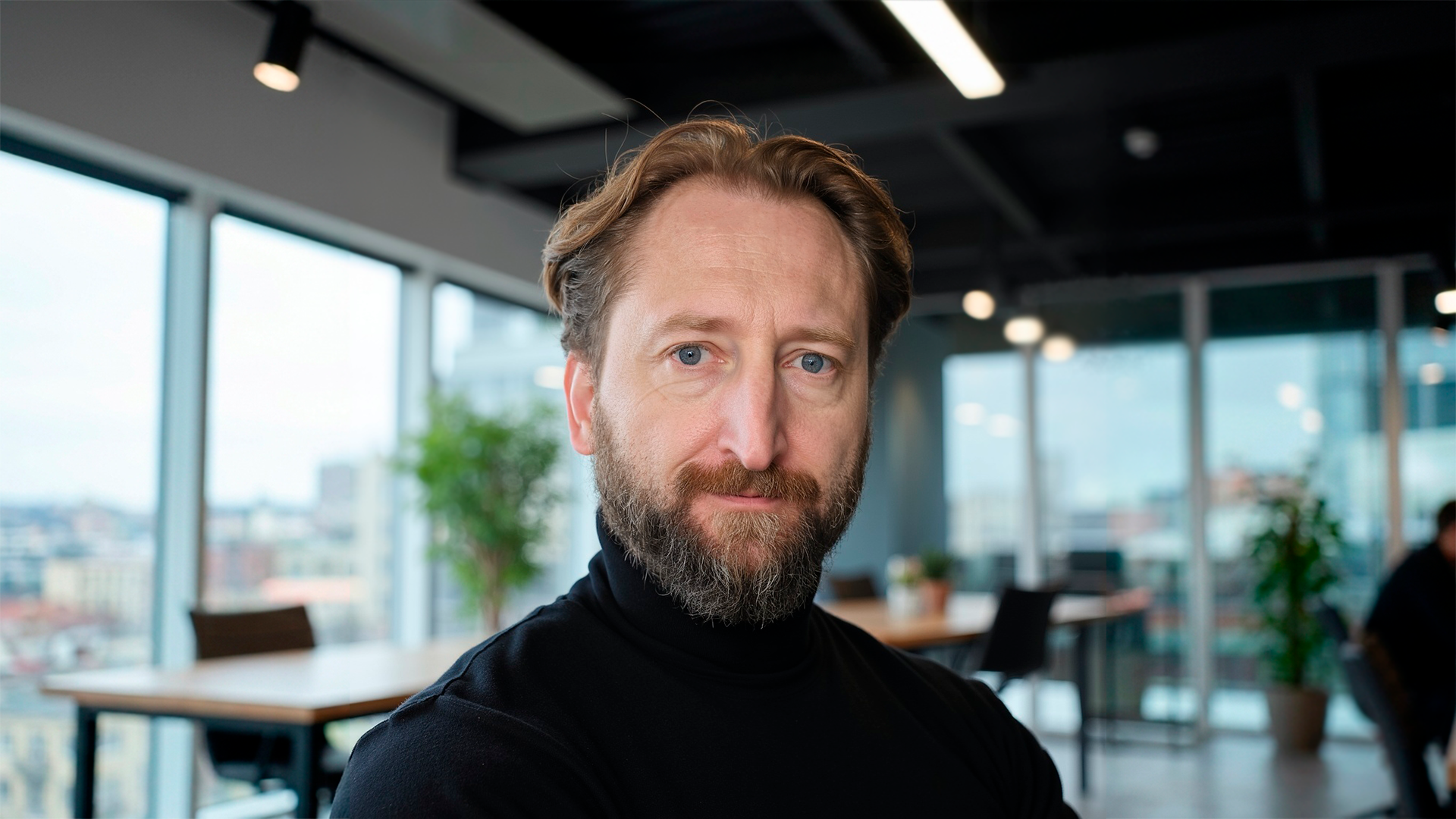
Oliver Diehm, Regional Chief Financial Officer at a German Tier 1 supplier in North America, has spent more than two decades leading finance transformation across five continents. Among his most significant achievements is building Brose’s Business Services Center in Mexico from the ground up and expanding it into a global hub supporting finance, human resources (HR), and purchasing. “What comes first is to have the right people,” says Diehm.
For him, technology, automation, and process design all matter. However, without engaged teams that understand both the purpose behind the work and the standards expected of them, even the most carefully planned shared services model will struggle to deliver lasting value.
Standardization Begins Before the Shared Services Center Does
Every successful shared services initiative starts long before the first employee is hired or the first process is migrated. According to Diehm, one of the biggest mistakes that organizations make when setting up a business services center is attempting to transfer inconsistent processes into a centralized environment.
“If you want to move a process, you first have to streamline this process,” he says. “These processes normally are done all over the place in slightly different ways, and slightly different doesn’t work for a shared services center.” That focus on process standardization creates the foundation for scalability. Rather than forcing teams to navigate countless local exceptions, organizations should first define one consistent way of working before transitioning activities into a shared environment.
This discipline became even more important when Diehm was asked to establish a global HR shared services function despite having no HR background. Instead of relying on technical expertise alone, he focused on finding specialists who understood the function while building a framework that encouraged collaboration across cross-cultural teams.
“I managed to find a very ambitious and talented colleague in HR,” he says. “She did most of the work, but what we did together first was build a team.” Building finance, HR, and purchasing under one hub is not about knowing every operational detail. It is about assembling the right expertise, creating alignment, and enabling people to succeed together.
Expectations Create Consistency Across Borders
Leading finance organizations across multiple continents has shown Oliver Diehm that global consistency is less about enforcing identical procedures and more about creating shared understanding. “The real standard is to deliver what’s expected,” he says. “Everybody in the team has to know what is expected because if you do not know what’s expected, you cannot deliver that.”
That philosophy has shaped his approach to leading cross-cultural teams. Open communication about business objectives, performance expectations, and quality standards allows local teams to operate with flexibility, while still delivering consistent outcomes for the broader organization. “I hardly know any employee or colleague that doesn’t want to do good,” he says. The role of leadership, therefore, is to remove ambiguity. Once expectations are clearly communicated, teams can focus their energy on delivering results instead of interpreting priorities. This people-first approach to shared services design also strengthens talent retention. Employees who understand both the purpose of their work and how success is measured are far more likely to take ownership of the outcomes.
Ownership Cannot Be Assigned
Organizations often talk about accountability, but Oliver Diehm believes ownership operates very differently. “Ownership doesn’t come from ordering ownership,” he says. “Ownership doesn’t come from processes. Ownership comes from a mindset.” Creating that mindset begins with leadership that is transparent rather than hierarchical. Teams should view the processes they manage as something they collectively build, improve, and protect. “If my team does something, it’s our job,” Diehm says. “We really have to ensure that the figures we produce and the processes we run are seen as our baby.”
For leaders responsible for finance transformation, this distinction is significant. Technical excellence may create efficient operations, but genuine ownership creates resilient ones. When employees feel personally invested in outcomes, continuous improvement becomes part of the culture rather than another management initiative.
AI Elevates the Role of Shared Services
As automation reshapes business operations, some question whether shared services centers will remain as relevant as they once were. “The real value comes from testing because humans are unlike machines,” he says. “They are able to learn, adapt quickly, raise their hands, and discuss problems.”
Automation excels once processes are stable and repeatable. But during implementation and continuous improvement, human judgment remains indispensable. Reality rarely mirrors a process map, and organizations still need experienced professionals to resolve unexpected challenges, refine workflows, and collaborate across functions.
“The moment I’m automating the simpler processes, there is capacity for more complex processes,” Diehm says. Instead of replacing people, automation enables shared services professionals to move into increasingly strategic work. That progression strengthens the entire organization by freeing specialists closer to customers, engineering, and innovation, while building deeper expertise within the shared services center itself.
Shared Services as Strategic Global Hubs
For Diehm, this is why shared services centers continue to evolve from operational support functions into strategic global hubs. Organizations that embrace nearshore operations, while investing equally in their people, will be better positioned to scale, adapt, and sustain transformation over the long term.
As technology continues to redefine business operations, Diehm believes one principle will remain unchanged: successful finance transformation starts with people. Process excellence, automation, and global scale all depend on engaged teams that understand the mission, embrace ownership, and continue learning together.
Follow Oliver Diehm on LinkedIn or visit his website for more insights on building global shared services centers with a people-first mindset.