
Climate risk stops being an environmental issue the moment it changes what it costs to keep the doors open. A flooded supplier, a production floor too hot to run, or a multi-day power outage turns it into a question of cash flow, capital allocation, and business continuity.
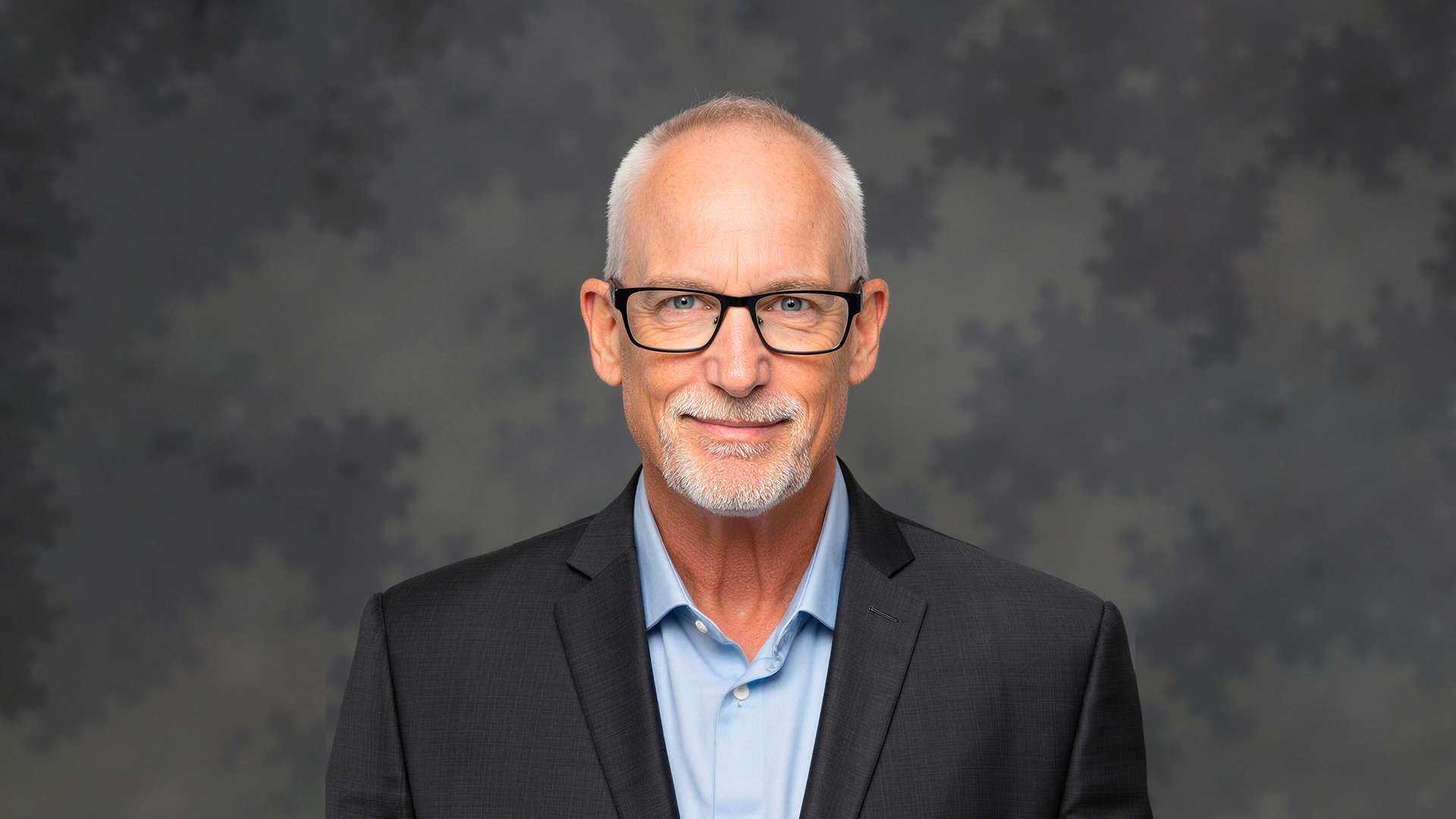
Tim G. Montague has spent years on that question. A clean energy advisor who has developed more than 150 MW of commercial and industrial solar and the author of Wired for Sun: The Commercial Solar Playbook, he works with C&I clients on solar, storage, and microgrid strategy. In his view, the most common executive mistake is one of pacing: companies plan for gradual change and get caught by abrupt disruption.
The right starting question is simple. What must keep working when normal conditions disappear?
Gradual Trends, Sudden Thresholds
Climate change unfolds through both slow shifts and abrupt ones, and the IPCC finds that the likelihood and consequences of abrupt changes grow with additional warming. A smooth trend line hides where the real risk sits.
For a business, the threshold is usually concrete: floodwater reaching switchgear, heat exceeding equipment ratings, an outage outlasting the backup fuel supply. Nothing fails, and then everything does.
Montague’s first recommendation is deliberately unglamorous. Maintain a business continuity plan. Protect critical documents, and make sure essential information is reachable when a facility is not. Cloud storage helps, but resilience also takes independent backups, tested recovery procedures, and a way to reach key information if the internet is down. A plan only becomes real once employees know their roles and have practiced them.
“Whether it’s climate or a financial crisis or an AI takeoff crisis, every business needs to be prepared for rapid change,” Montague says.
The job is to find the point where disruption becomes intolerable, and prepare before you get there.
Your Exposure Includes People
Facilities and equipment are only part of the picture. Climate hazards also affect employees, customers, suppliers, and the communities that support them.
Montague flags displacement and migration as underappreciated business concerns. The IPCC finds that most climate-related displacement occurs within national borders, and that decisions to move reflect economic, social, and political conditions as much as environmental ones. That makes this a local planning question rather than a headline. Leaders should ask:
- Can employees get to work after a disaster?
- Would a local housing shortage slow recovery?
- Is repeated flooding or heat eroding a key supplier’s viability?
- How will population shifts change local demand and public infrastructure?
A useful risk assessment follows the people and dependencies that keep the business running.
Use the Right Numbers
Weather and climate disasters are getting more frequent and more costly. NOAA found that from 2017 to 2022, a billion-dollar disaster struck on average every 18 days, compared with every 82 days in the 1980s. In 2024, NOAA counted 27 such events, spanning droughts, floods, severe storms, and other hazards.
Those figures measure economic damage across all hazards. They are not a count of power outages, and they say nothing about how often your facility will go dark. For that, look at your own outage history, your utility’s infrastructure, your site’s physical hazards, and what an hour of downtime actually costs. National statistics make the case. Site-specific analysis drives the investment.
Batteries Are Becoming Working Infrastructure
“Batteries are the appliance that most business owners don’t realize they need to own today,” Montague says.
The economics increasingly back him up. The International Energy Agency reports that average global battery storage system prices in 2025 fell to roughly a third of their 2020 level. Your installed cost will differ, and the business case depends on tariffs, demand charges, load profile, incentives, and the value of keeping critical operations running. But a technology that has gotten that much cheaper that quickly deserves a fresh look from every facilities and finance team.
One caution: backup capability has to be designed in. A standard grid-tied solar array shuts down during an outage. Running loads independently requires storage, controls, protection, and islanding capability, and system size determines which loads stay on and for how long. Solar, storage, and microgrids should be evaluated alongside efficiency, demand flexibility, and backup generation. The right mix depends on the site.
Pressure on the Grid Is Rising
Climate is not the only stressor. In its 2025 base case, the IEA projects that global data center electricity consumption will more than double between 2024 and 2030. Where that load connects, it competes with everyone else for generation, transmission, and interconnection capacity, and that competition shows up in rates and reliability.
What to Do in the Next 12 to 24 Months
- Identify critical loads. Know exactly which equipment, systems, and processes must run during an outage, and for how long.
- Price your downtime. Estimate the cost of an hour, a day, and a week of interruption, including lost revenue, spoilage, safety, and customer impact.
- Map site hazards. Review outage history, flood and heat exposure, and utility infrastructure for every key facility and critical supplier.
- Test the continuity plan. Run a tabletop exercise covering backups, communications, and recovery under realistic conditions.
- Build resilience into the next capital decision. When you replace a roof, a chiller, or switchgear, evaluate solar, storage, and microgrid options at the same time.
“Solar, batteries, and microgrids are not just decarbonization technologies. They’re resilience technologies,” Montague says.
That resilience value has to be engineered, maintained, and tested. When it is, these assets become part of the infrastructure that protects a company’s ability to operate. Climate risk belongs in the room where leaders decide what to build, what to insure, and what the business cannot afford to lose.
Follow Tim G. Montague on LinkedIn for insights on commercial and industrial solar, battery storage, and energy resilience strategy.