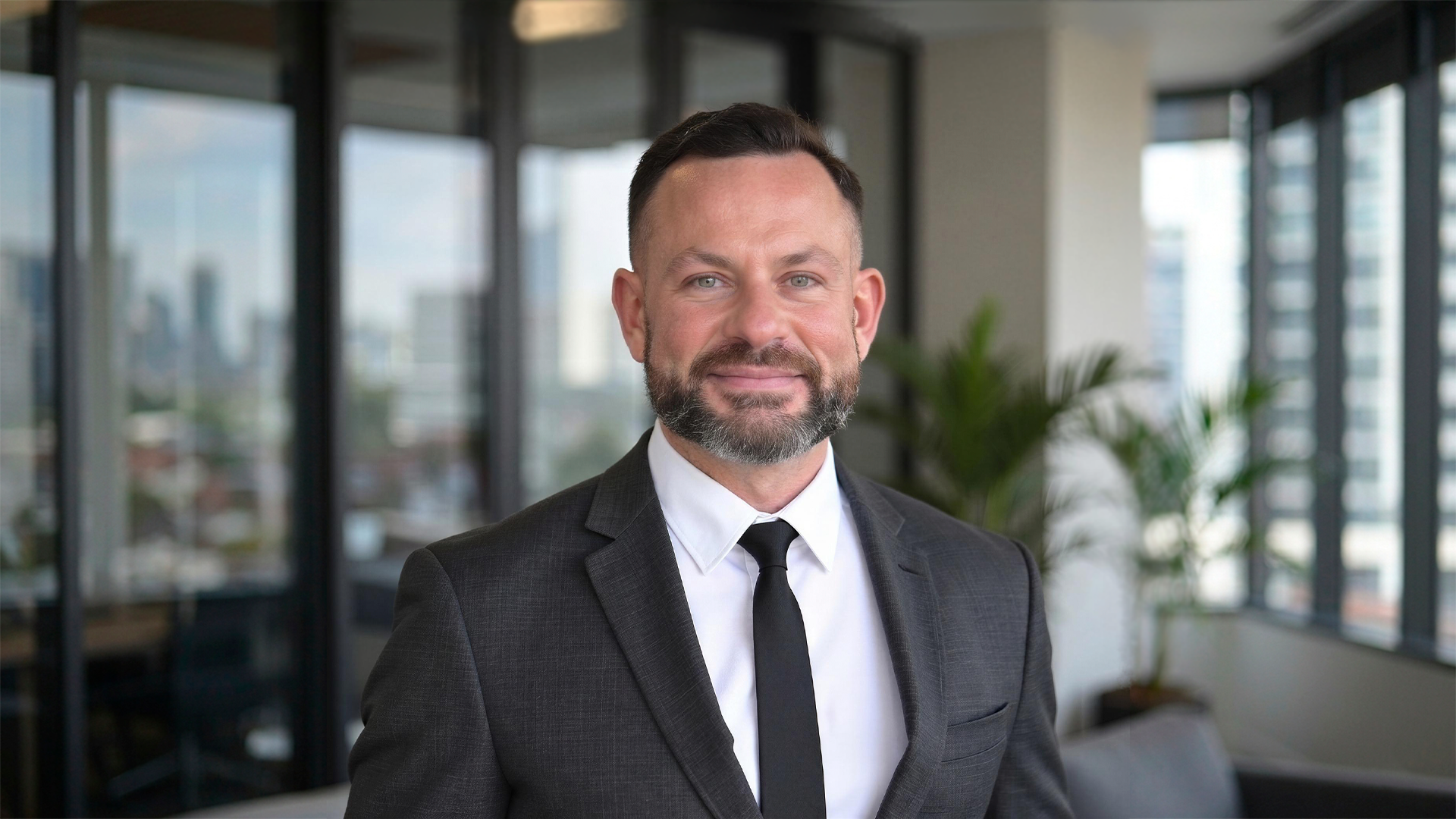

Catastrophe (CAT) modeling has largely been an insurance industry back-office process, used by carriers and reinsurers to forecast potential losses from hurricanes, earthquakes, and other major events and to manage portfolios. For companies with large or geographically dispersed property portfolios, this model is changing. “The brokers winning complex property business today are the ones who have brought CAT modeling out of the back room and into the client conversation,” says Dave Nickelson-Rueschhoff, Vice President and National Complex Property Practice Leader at OneDigital.
CAT modeling is too important to be treated as merely a technical output at renewal. Property insurance decisions increasingly rely on understanding not only what a building is worth, but also how it could be exposed across thousands of potential catastrophe scenarios. When that information reaches the client early enough, it can influence coverage limits, deductibles, risk improvements, and ultimately the structure of the bound insurance program.
From Pricing Tool To Strategic Conversation
CAT models are traditionally designed around the requirements of carriers and reinsurers. Private databases, data, and actuarial knowledge have kept the analysis out of sight from most insureds. In many cases, clients only knew the results when a carrier relied on a model to support a renewal position.
Nickelson-Rueschhoff sees an opportunity to reverse that. A stronger broker strategy starts well before renewal with a working view of the client’s modeled exposure, geographic concentration, ground-up loss potential, and hazard profile. That leads to a more objective discussion of limit adequacy and provides the broker with an analytical basis for negotiating with carriers.
The Model Is Not The Truth
His experience in CAT modeling and broking gives him a particularly practical perspective on their limitations. “The output is only as good as the exposure data going in,” he says. Roof age, construction quality, and occupancy details can be defaulted rather than validated. As a result, the difference between a well-submitted account and a poorly submitted one can materially change modeled loss costs before an underwriter applies any judgement.
That makes data quality a strategic lever in hard-to-place risk. A broker who knows how the model works can challenge a carrier’s assumptions with specificity rather than relying solely on market pressure. It also fosters a more credible client conversation about what risk analytics can and cannot tell them. Uncertainty itself needs to be part of that conversation. Different models can produce materially different results for the same property, while model updates can change a carrier’s view of an exposure even when the building has not changed.
Turning Ground-Up Loss Probabilities Into A Capital Decision
One of the most common misunderstandings of CAT modeling is the interpretation of ground-up loss probabilities: aggregate exceedance probability (AEP) and occurrence exceedance probability (OEP). Clients might view a 500-year AEP/OEP as a worst-case ceiling, when, in fact, it is a probability statement about the likelihood that losses could exceed a given level in a particular year. That distinction shifts the way coverage options are evaluated. A model should not determine the limit by itself. Instead, the loss curve for the model should be used to answer two larger questions: “What loss level can the balance sheet absorb?” and “How much risk should be retained rather than transferred?”
The same principle applies to average annual loss (AAL). Comparing modeled AAL with premium can give a misleading impression of whether a rate is justified. Premium also reflects the volatility of loss, reinsurance costs, expenses, and the carrier’s return on capital. For catastrophe-exposed property, loss volatility can be high. The broker’s job is to turn risk analysis into a justified property placement and capital-allocation decision.
Better Data, Better Negotiations
Emerging AI-powered tools could make that process more powerful, particularly by improving exposure data. With real-time access to aerial imagery, permit information, and building characteristic databases, previously unavailable or defaulted data can now be captured more accurately. Faster modeling does not necessarily mean more precise modeling. “The tool got faster; it didn’t necessarily become more accurate,” Nickelson-Rueschhoff says.
The crucial question is what changed and why. If a Gulf Coast wind AEP/OEP changes dramatically between renewals, the client will need to know if this is because of updated storm-surge science, a new vulnerability hypothesis, or a model response to recent loss experience. That context reduces the potential for volatility to be confused with useful information that can inform negotiations. More accurate exposure data could also enhance the client’s negotiating position. An enriched statement of values isn’t just a cleaner submission. It can provide evidence for a more accurately modeled loss cost and a more defensible rate.
Why Complex Property Is Moving Toward Risk Intelligence
For senior risk decision makers, the larger shift is from CAT modeling as a pricing justification tool to using it as a capital-allocation and portfolio-strategy tool. That means understanding concentration across geographically distributed assets, including how multiple high-value locations could be affected by the same event. As carriers increasingly manage aggregate exposure by geography and peril, clients that can demonstrate a clear understanding of their own accumulation risk may be better positioned in the market.
Using CAT modeling efficiently can help clients understand where they are exposed, how much volatility they can absorb, and what they need to transfer to the insurance market. The real evolution of the broker’s role isn’t to simply respond to the underwriter’s model, but to engage with data, context, and a clear approach.
Follow Dave Nickelson-Rueschhoff on LinkedIn for more insights on complex property risk, CAT modeling, and insurance strategy.