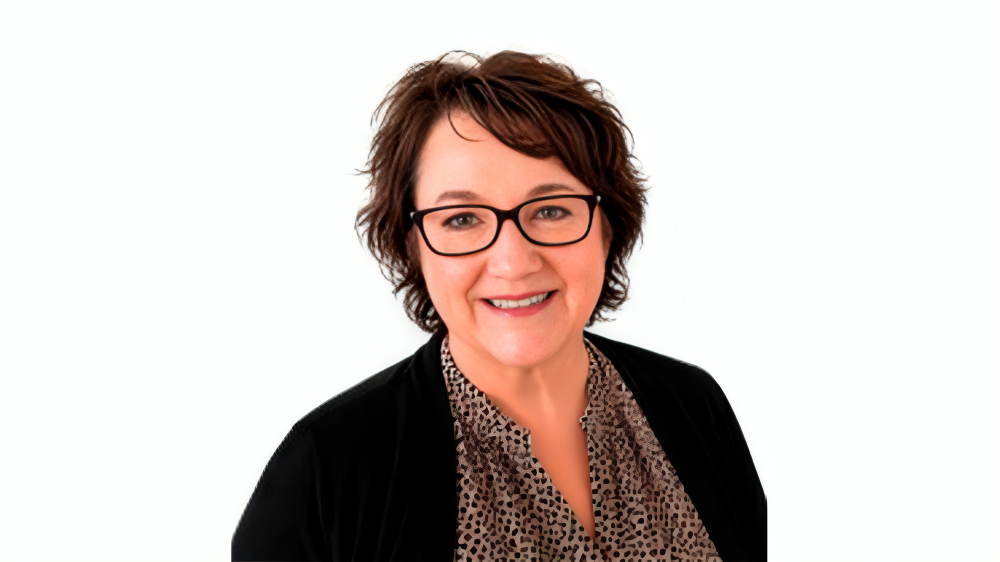

Executive wellbeing used to be treated as a personal issue but that’s changing. More organizations now recognize that the quality of leadership decisions is inseparable from the wellbeing of the people making them. “When leaders operate from self-trust, performance and wellbeing no longer compete with one another. Leaders can pursue ambitious goals while recognizing their limits, protecting what matters most, and making decisions that are sustainable for both themselves and the company,” says Larendee Roos, Founder and Chief Executive Officer (CEO) of Roos Advisors.
Her perspective reframes executive wellbeing as a leadership capability rather than an employee benefit, and challenges long-held assumptions about what drives sustainable growth, suggesting that healthier leadership decisions ultimately produce healthier businesses.
Self-Trust Shapes Business Performance
Every executive leaves fingerprints on an organization’s results. From financial outcomes to culture, those results reflect the internal patterns of the leaders shaping the business. Roos believes that understanding those patterns is the first step toward improving both executive wellbeing and performance.
“The condition of the leader influences the condition of the company,” she says, and the earliest indicators that something is amiss surface through behaviors such as “chronic indecision, perfectionism, avoiding difficult conversations, changing direction too frequently, or struggling to delegate.” These habits can quietly erode team alignment, weaken leadership accountability, and increase the cost of delayed decisions.
Recurring business challenges are frequently symptoms rather than root causes. When talented teams continue to struggle despite strong strategies, executives should look inward before looking elsewhere. “When recurring business problems remain unresolved, it is often helpful to examine the beliefs, fears, and personal patterns influencing how the executive leads.” Recognizing these patterns is also a powerful form of burnout prevention. Leaders who consistently operate from fear, exhaustion, or the need for external approval eventually transfer that pressure to their organizations.
Building High-Trust Teams Starts With Self-Awareness
One of the most overlooked drivers of organizational performance is self-awareness. Roos believes that executives who understand how they naturally communicate, make decisions, and respond under pressure are far better equipped to lead consistently.
This is where tools such as the DiSC (Dominance, Influence, Steadiness, Conscientiousness) assessment become valuable because they provide leaders with a shared language for understanding strengths, communication styles, and responses to conflict. Roos’s DiSC Authorized Partner approach to team performance focuses on helping leaders recognize the difference between authentic strengths and habitual reactions that may no longer serve them.
That awareness creates the trust foundation necessary for healthy executive teams. It also supports productive conflict, where difficult conversations become opportunities for stronger decisions rather than threats to personal relationships. Ultimately, how CEOs build high-trust executive teams depends less on finding people with identical leadership styles and more on creating an environment where different perspectives can be understood, challenged, and aligned around shared objectives.
Accountability Without Fear Creates Sustainable Results
Organizations increasingly recognize that wellbeing belongs alongside governance and performance management rather than sitting separately as an employee perk. For Roos, that shift places new responsibility on executives themselves. “It requires executives to view their own wellbeing as a leadership responsibility.”
Leaders who consistently ignore their own limits often struggle to establish healthy expectations for others. Over time, this undermines sales performance, innovation, and engagement while increasing turnover and decision fatigue. It also demonstrates the cost of misaligned leadership teams, where uncertainty at the top cascades throughout the organization.
Building accountability therefore begins internally before it extends across the business. Roos emphasizes that executives must understand what activates them under pressure, establish healthy boundaries, and remain willing to ask for support when needed. This perspective changes building accountability without fear in leadership teams from a management technique into a leadership discipline. It also supports how chief operational officers align teams around shared commitments, allowing accountability to grow through clarity and trust rather than pressure and blame.
Growth That Lasts Begins With Internal Clarity
The strongest organizations expand because their leaders do. What high-performing executives do differently under pressure is develop the confidence to move forward without needing complete certainty. “The objective is not to eliminate uncertainty. It is to develop enough self-awareness and self-trust to move forward confidently even when certainty is unavailable.”
Over the next several years, organizations will continue searching for ways to increase performance while protecting their people. Roos believes those goals are inseparable. Leaders who build companies from a place of internal clarity rather than external pressure create stronger cultures, better decisions, and more resilient businesses. In doing so, they demonstrate why performance and wellbeing are not competing priorities, but complementary drivers of lasting success.
Follow Larendee Roos on LinkedIn or visit her website for more insights on executive wellbeing, leadership self-awareness, and building high-performing teams.