
Every time a company suffers a cyber breach, the ritual begins. The incident is reported. Public outrage brews. Stock prices wobble. Then, almost on cue, a single executive is pushed into the spotlight, often the CISO and sometimes the CEO, and presented as the face of failure. The organization signals accountability, the news cycle moves on, and leadership hopes the story ends there.
It rarely does.
This pattern of executive scapegoating does not make organizations safer. It produces a convenient illusion of control while leaving the underlying drivers of cyber exposure untouched. The true problem is structural. Cyber risk is created across the enterprise, through budget decisions, operational trade-offs, vendor choices, talent strategy, product velocity, and customer commitments. Yet when consequences arrive, accountability is often assigned to one person who may have raised the alarm but lacked the authority to change outcomes.
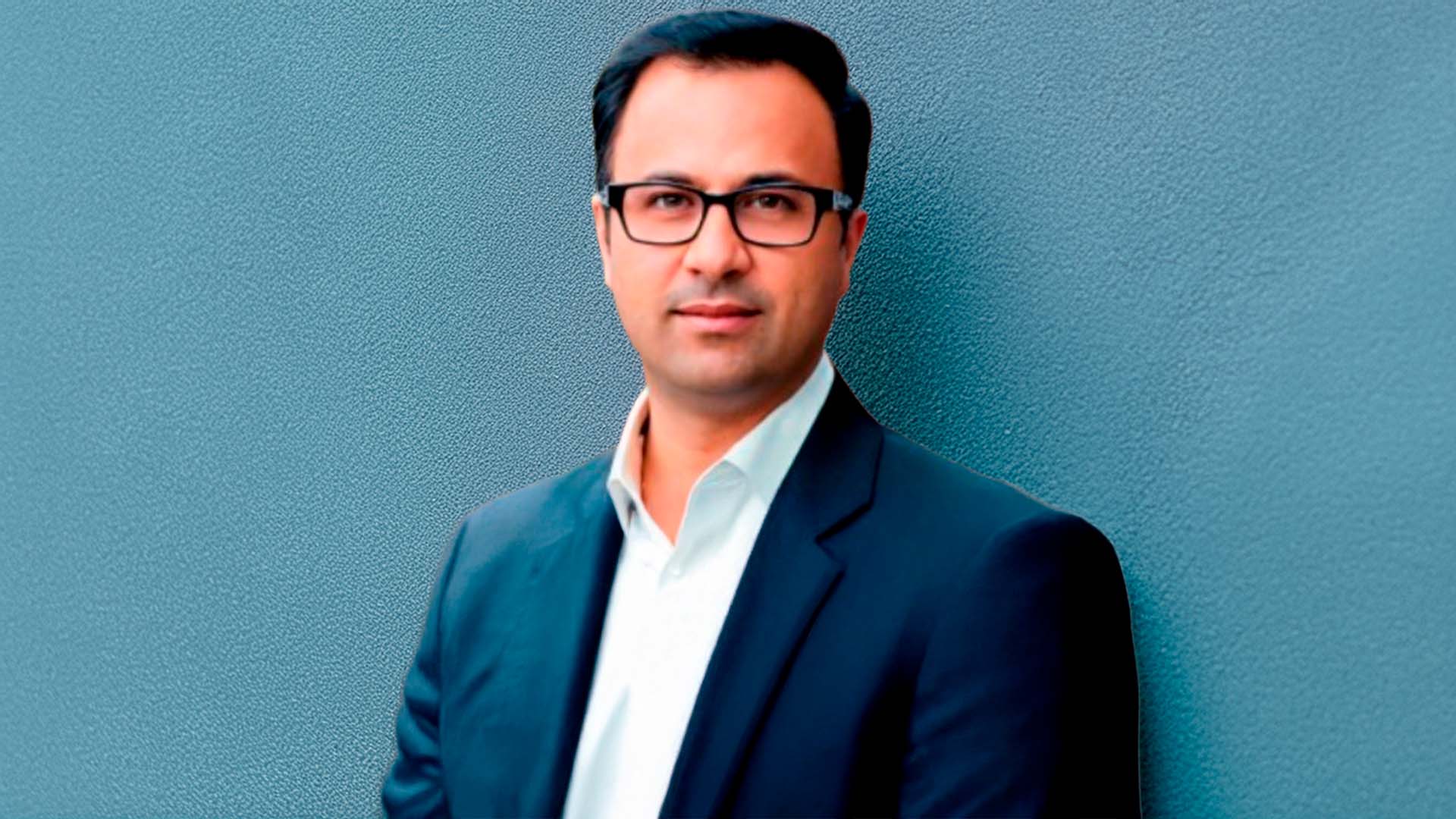
Ankush Chowdhary argues that this cycle has to stop, not because accountability is unimportant, but because misplaced accountability creates fragile systems. “When we treat cybersecurity as one leader’s problem, we guarantee we will repeat the same failures,” Chowdhary says. “Cyber risk is shaped by the decisions of many leaders. The ownership has to match that reality.” That is the premise behind a concept he calls the Cyber Risk-Signature Mandate, a governance shift designed to replace theatre with traceable responsibility.
The Cyber Risk-Signature Mandate: What It Is
The Cyber Risk-Signature Mandate is a proposed policy framework requiring key organizational leaders to jointly sign off on high-impact cyber risk decisions. Not just the CISO. Not just the CTO. The leaders who influence risk through strategy and trade-offs would be expected to participate in approving and periodically re-evaluating the organization’s cyber posture, priorities, and funding decisions. In practice, that means executives responsible for finance, operations, HR, legal, product, and even marketing would be part of formal cyber risk sign-offs, depending on the organization’s structure and exposure. The mandate is not about spreading blame. It is about making decision-making explicit. “If you helped shape the risk, you should be part of owning the consequences,” Chowdhary says. “The signature is not a gotcha. It is proof that leaders understood the trade-offs they were making.”
This approach creates a documented trail of governance. It reduces vague handwaving and the familiar post-breach refrain of “I didn’t know.” If a leadership team collectively chose to defer a control upgrade, accept a known vulnerability, or underfund a critical initiative, the decision is visible, recorded, and tied to the leaders who made it.
Why We Need It
Cybersecurity is no longer a technical problem that can be solved by one department. It is a business problem, a leadership problem, and a governance problem. The most damaging breaches rarely stem from a single failure. They come from compounded decisions over time, such as aggressive growth targets without security staffing, outsourcing without oversight, tool sprawl without process, M&A integration without control mapping, or cost cutting that quietly increases exposure. Boards and executive teams often understand this in theory. In practice, cyber risk is frequently treated as a compliance line item, something to review quarterly, then deprioritize when revenue or delivery pressure rises. The results are predictable. Security becomes the last voice in the room, asked to “do more with less,” and then blamed when the inevitable happens.
Chowdhary believes the missing ingredient is informed responsibility. “Plausible deniability is one of the most expensive security controls companies rely on,” he says. “It feels safe until it fails, and then everyone realizes it was never a control at all.” By forcing decision-makers to sign their names to risk acceptance, security trade-offs, and material funding decisions, the mandate changes incentives. Leaders do not get to outsource the discomfort of risk. They must face it, understand it, and own it.
Ending The Scapegoat Economy
The current model encourages a “scapegoat economy” where cybersecurity is treated like insurance. Pay the premium, hope you never need it, and if something goes wrong, find the person to blame. The problem is that many CISOs do not control the levers that determine outcomes. They advise, they influence, they escalate. But they cannot unilaterally approve budgets, delay product launches, or override operational priorities. When a breach occurs, organizations often isolate blame with surgical precision. The public sees swift action. Internally, the conditions that created the breach remain. The next leader inherits the same constraints. The cycle continues.
The Cyber Risk-Signature Mandate disrupts this pattern by turning accountability into a shared asset rather than a hot potato. When leadership teams know their signatures are attached to risk acceptance, decisions get more deliberate. Budgets tend to become more realistic. Roadmaps reflect security requirements earlier. And the conversation shifts from “Who failed?” to “What did we collectively decide, and why?” As Chowdhary puts it, “Accountability should not be a headline after the breach. It should be a habit before the breach.”
A Cultural Shift We Desperately Need
This is not just a policy change. It is a cultural change. It reframes cybersecurity from a heroic effort by one department into a strategic priority embedded across leadership functions. It aligns governance with reality: every executive decision shapes the attack surface in some way. This shift will make some leaders uncomfortable. That is part of the point. If an executive is willing to approve a risk trade-off, they should also be willing to acknowledge it formally. If they are not, the organization has learned something important about whether the trade-off is truly worth it. The mandate also helps clarify what “good leadership” looks like in cyber. It is not performative outrage after a breach. It is visible engagement before one. It is asking better questions, funding the fundamentals, and creating operating rhythms where security is discussed with the same seriousness as financial exposure or regulatory risk.
Chowdhary’s argument is simple and difficult to ignore: shared risk demands shared accountability. Not for optics, but for outcomes. Because cybersecurity does not need another apology tour or a sacrificial resignation. It needs leadership teams that are brave enough to sign their names to the decisions that shape their organizations, and disciplined enough to act on what those signatures represent.
Connect with Ankush Chowdhary on LinkedIn for insights on cybersecurity accountability and leadership.