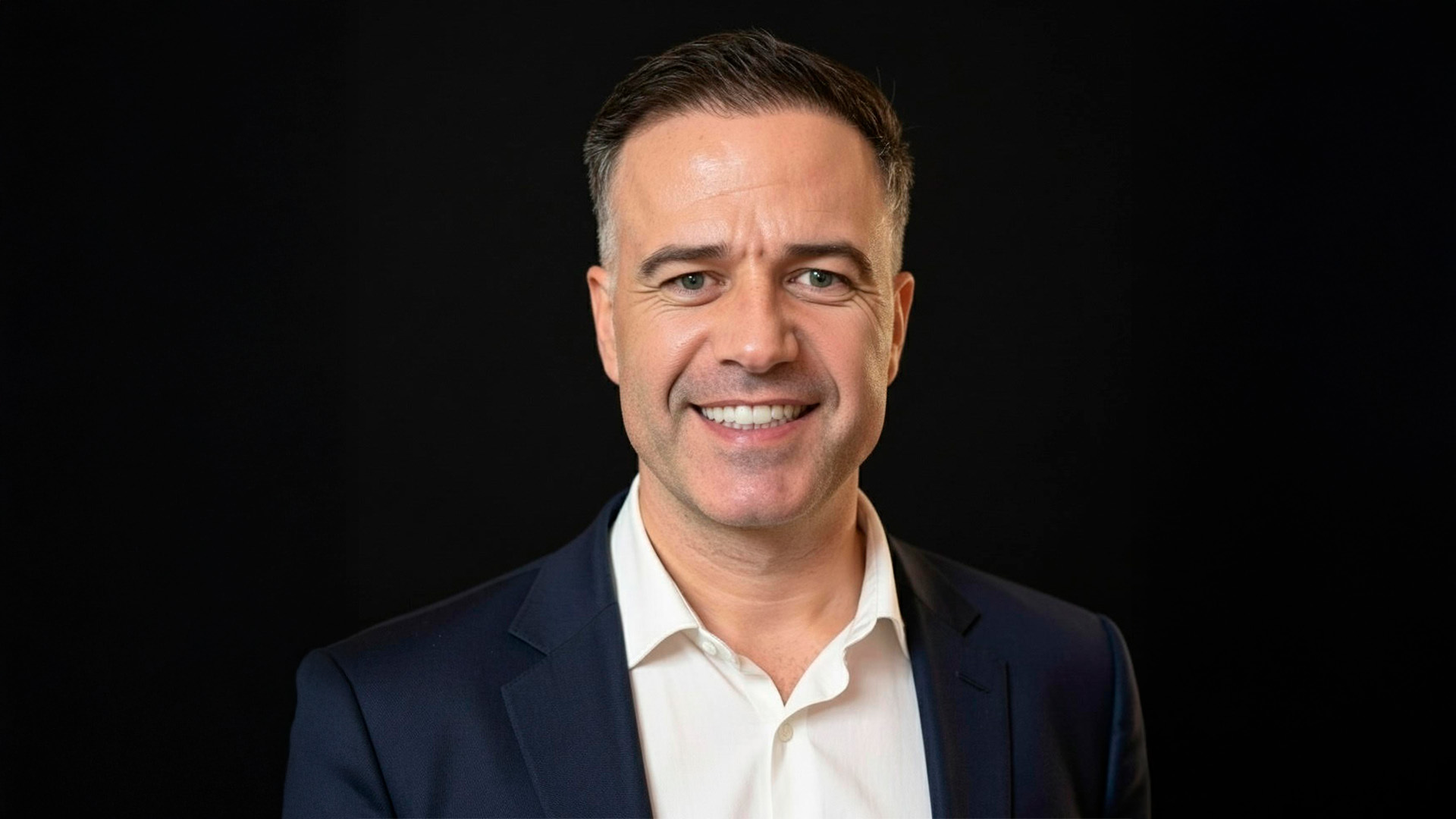

One of the biggest threats to building long-term wealth is the quiet erosion caused by hidden fees buried in the small print of financial products. Wealth Management & Investment Strategy Specialist Charles P. Burrows argues that the banking system is not structured to optimize client wealth, but to extract it. “People seem to fall into the trap of believing that the banks are there to give them the best when really the banks are there to make money for themselves whilst respecting the profile of the client,” he says.
Many investors assume that banks always act in a way that maximizes their returns, yet fee structures can sometimes prioritize products that generate higher charges. As a result, returns may be lower than expected over the long-term, making it worthwhile for clients to understand where costs arise and how they affect performance. Removing these hidden charges can boost long-term outcomes more than changing strategy or taking extra risk.
The Hidden Cost of Trust
Clients often assume that loyalty and scale will naturally translate into better treatment, but most investors, including experienced executives, underestimate the cumulative impact of fees that compound alongside their investments. “A 1% fee over 30 years on a million dollars means you lose out 600,000 dollars from your retirement savings,” he says.
A key part of the issue lies in the structural incentives within major banks. Client facing advisors are rewarded not for client outcomes, but for directing capital into products that maximize bank revenue. Burrows recalls being pressured to allocate into funds that offered higher commissions, even when better performing assets were available. This misalignment of priorities is not hidden. Many banks publish detailed fee structures that confirm conflicts of interest, yet most clients never read them.
Share Classes: The Overlooked Red Flag
One of the simplest and most revealing indicators of unnecessary fees is the share class of an investment fund. Burrows showed an example of a U.S. Equity Fund from a major U.S. bank. Most investment funds have multiple versions of the exact same strategy, each carrying different fee structures to meet the commission preferences of the advisors. The institutional share class is typically the most cost efficient, while share class A often creates the highest commissions. In the example Burrows used “The highest commission share class has a 5% upfront fee and a 1.8% ongoing fee. You are paying 1% a year unnecessarily just to your advisor, and you have an exit fee of 0.5%, whilst the clean share class only charges 0.8% with no upfront comissions or exit penalties” he says.
Translating that into real consequences, Burrows highlights the experience of a former chief executive of a Fortune 500 company with a seven million dollar portfolio. Positioned in high fee share classes, the investor generated an 8% return during a year when low cost alternatives could have returned eighteen. When analyzed line by line, more than a million dollars in fees could have been saved over time. For Burrows, examples like this reinforce a critical point: awareness alone can materially improve results without requiring clients to take on additional market risk.
Dissecting the Power Imbalance
Burrows attributes the persistence of hidden fees to a system that fragments investors into smaller units, limiting their negotiating power. “From a risk profile perspective the recommendations will be in line with the client’s profile, but the underlying assets that are sold are not the best assets they could have chosen,” he says. Individually, most clients lack the leverage to demand the institutional terms available to larger investors.
He believes the market is overdue for a shift that restores balance. Pooling retail investors into a collective base allows access to better pricing and clean share classes normally reserved for institutions. In that model, investment professionals compete for client business rather than locking clients into rigid vertical structures. It is a direct challenge to how incentives and access have been structured for decades, and Burrows sees transparency as the lever that strengthens investor outcomes.
Technology, Transparency and the Road Ahead
Artificial intelligence and digital tools have the potential to make hidden charges easier to identify, but Burrows cautions against assuming that technology alone will fix the problem. “No matter how much you change the legislation, there is always a way of circumventing it,” he says. Banks adapt their compensation models to preserve revenue even when surface level commissions disappear.
For him, the long-term solution lies in education. If investors understand the mechanics of fees, they are less likely to be disadvantaged. He suggests that true change will come once financial literacy is established early in life, giving future investors the ability to question what sits behind the products they buy.
The Compounding Case for Attention
Fees may seem small, but their effects are profound. “Those small 0.5% or 1% fees here and there devastate your actual results over time,” he says. By examining how wealth is managed behind the scenes, clients can recover value that would otherwise be lost over decades. Better performance does not always require more risk. Sometimes it simply requires removing inefficiencies from the system.
Follow Charles P. Burrows on LinkedIn for more insights.