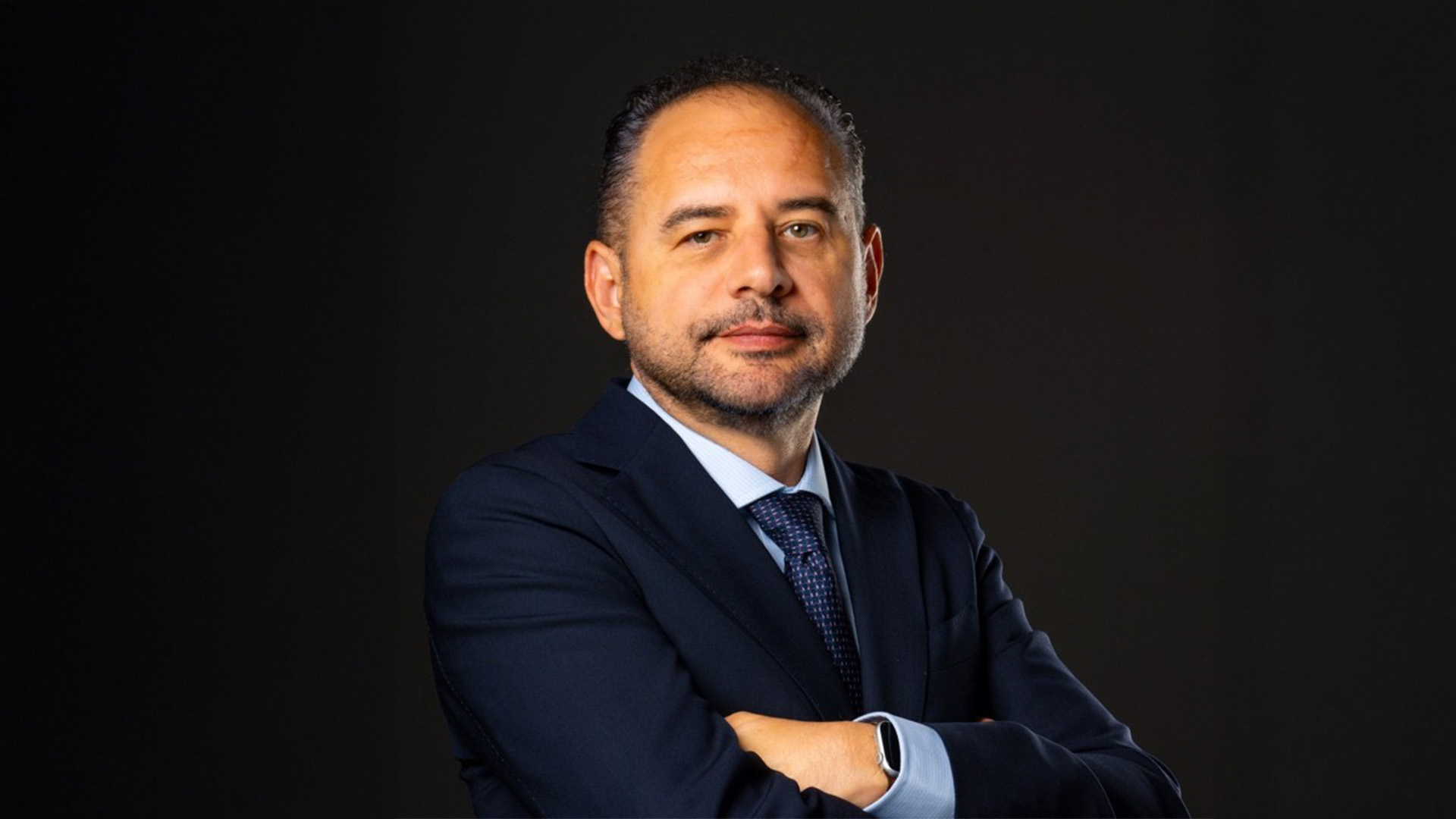

For family offices navigating increasingly complex capital markets, private equity continues to hold an outsized appeal. Its promise is not liquidity or speed, but durability. When deployed thoughtfully, private equity can compound value over long horizons while supporting broader economic and societal objectives. For Marcos Dussoni, Chief Financial Officer at EVIQ, that long view is essential. “Great investment leadership is ultimately about impact,” he says. “Using capital thoughtfully to shape industries, advance national priorities, and create long-term value that goes beyond financial returns.”
Dussoni’s career spans sovereign-backed platforms, infrastructure, energy, healthcare, and asset management. Across those environments, a consistent philosophy emerges that private equity works best when treated as a strategic tool, one grounded in patience and a clear understanding of risk.
Private Equity as Strategic Capital
Within a well-diversified family office portfolio, private equity is a deliberate, long-term commitment designed to complement public markets and real assets. Framed correctly, it becomes a stabilizing pillar of the portfolio. “Family offices typically look to private equity for long-term growth and a degree of inflation resilience,” says Dussoni.
That benefit, however, comes with trade-offs that must be fully understood from the outset. Illiquidity is the most obvious constraint. Capital is typically locked for extended periods, returns unfold gradually through a J-curve, and exit timing can remain uncertain for years. For families accustomed to flexibility, these dynamics can test governance and planning discipline. Private equity only works when families are honest about their tolerance for those constraints and structure commitments accordingly.
The Risks Family Offices Tend to Miss
Risk in private equity is not uniform, and one of the most common missteps is assuming that all funds within a category behave similarly. “The dispersion between top-performing and median funds is significant,” Dussoni says. Access and manager selection matter more here than in most asset classes.
Liquidity risk remains another frequent blind spot. While lock-up periods are disclosed, the practical implications of delayed distributions, capital call pacing, and refinancing risk at the portfolio company level are often underestimated. Leverage amplifies both upside and downside, particularly in environments where interest rates or credit availability shift.
Vintage concentration also deserves scrutiny. Overcommitting capital in a single market cycle can expose portfolios to timing risk that takes years to correct. Families with a clearer understanding of these dynamics, and the internal capability to assess them, are better positioned to absorb volatility without compromising long-term objectives.
What Defines a Generational Investment
Not all successful private equity investments are created equal. “Truly generational deals are built on enduring fundamentals,” he says. Structural growth, purposeful products, and pricing power form that foundation.
Value creation, in this view, must extend beyond financial engineering. Multiple levers matter: operational improvement, governance, strategic repositioning, and selective expansion. “Governance and operational excellence are non-negotiable,” Dussoni adds. They provide downside protection and resilience when market conditions turn.
Equally important is the ability to compound value over time. Generational investments demonstrate credible paths to sustained growth, supported by resilient cash flows and disciplined capital allocation. These are businesses designed not just to exit well, but to perform consistently across cycles.
Aligning Time Horizons with Liquidity Reality
Time horizon discipline sits at the center of effective private equity strategy. For more conservative family offices, Dussoni points to commitment periods of ten to twelve years as a realistic baseline. That patience allows investments to mature while reducing pressure to exit prematurely.
Crucially, committed capital must be truly patient. “Those funds should not be needed for lifestyle, tax, philanthropy, or opportunistic needs,” he says. Matching investment pacing to a clear liquidity plan helps families avoid forced decisions that erode returns. When liquidity planning and risk appetite are aligned, private equity can fulfill its role without distorting broader financial objectives.
Improving Outcomes Through Discipline
While market conditions shift, certain fundamentals consistently improve outcomes. Dussoni highlights disciplined manager selection, with a focus on top-quartile access, repeatable sourcing, and pricing rigor. Diversifying commitments across vintages reduces cycle risk and smooths entry points over time.
Due diligence remains the final safeguard. Fee transparency, valuation policies, geographic and sector concentration, and leverage exposure all demand careful scrutiny. Strengthening these processes does not eliminate risk, but it ensures that it is intentional rather than accidental.
Capital With Purpose
For Dussoni, private equity ultimately reflects a broader philosophy of capital stewardship. At EVIQ, a Saudi-based electric vehicle infrastructure company, that mindset extends beyond portfolios to national infrastructure and energy transition priorities. The same principles apply. Capital should be commercially sound, patiently deployed, and aligned with long-term impact.
When family offices approach private equity with that perspective, it becomes a tool for shaping industries, supporting durable growth, and creating value that lasts.
Follow Marcos Dussoni on LinkedIn for more insights.