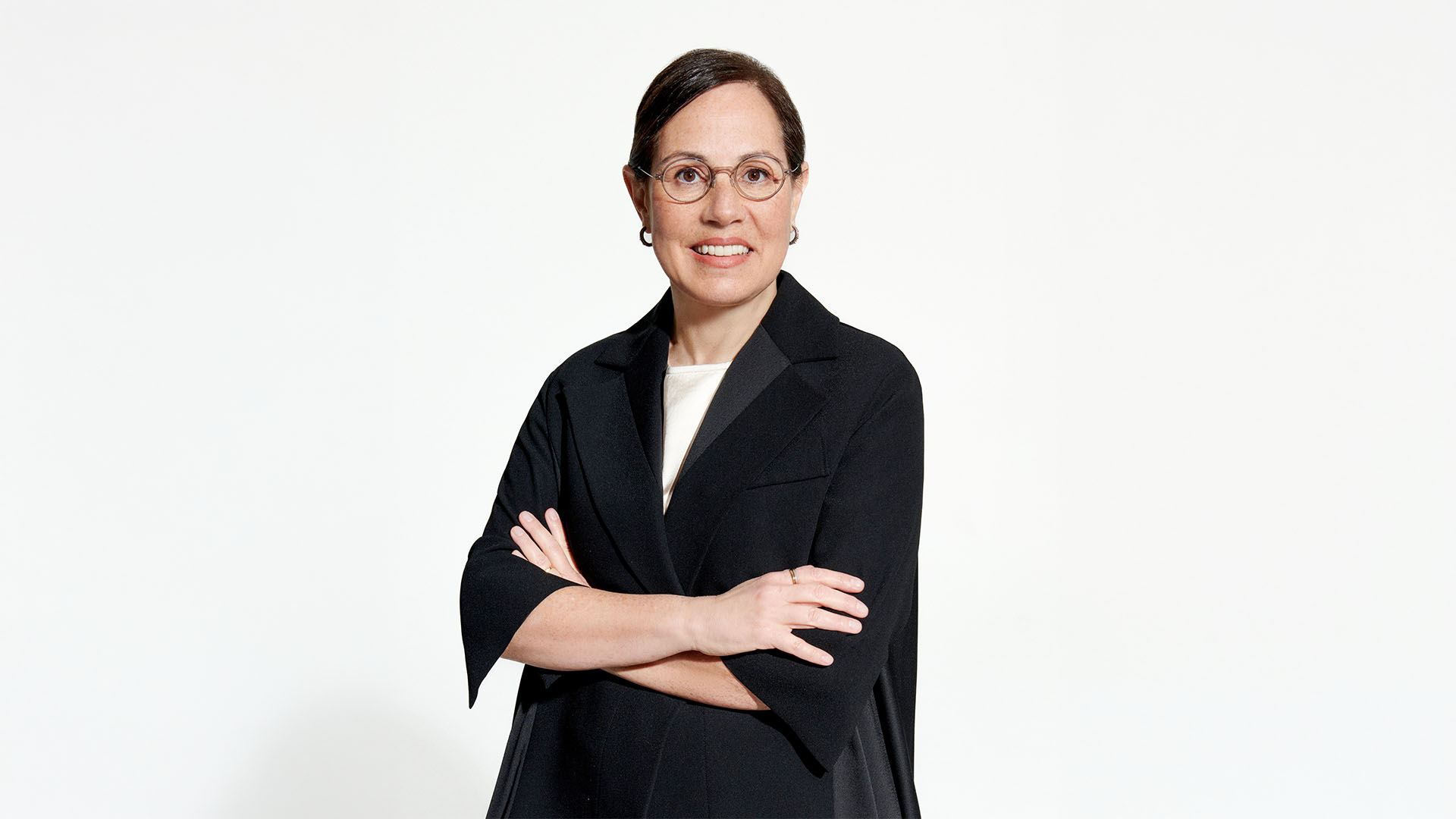

Longer lives are reshaping work, identity and the future. Yet most conversations about longevity still focus on health, wellness and financial security. One dimension remains underexplored: work. Career longevity has become a critical issue hiding in plain sight. Longer lives require a broader conversation about contribution, identity, and purpose across multiple stages of adulthood. “We are becoming one of the longest-living generations in history, and that brings challenges,” says Galya Frayman Molinas, Co-Founder of the What’s Next Initiative. “We don’t see much about the meaning of what you do, how work is going to change, how you are going to contribute to the economy and society in a meaningful way.”
After more than three decades leading global businesses, including senior leadership roles at The Coca-Cola Company, Molinas has turned her attention to the “longevity revolution,” and what it means for careers, identity and contribution. While life expectancy has expanded significantly over the past century, many career structures have remained largely unchanged. Traditional career models still assume a linear path of promotions, increased responsibility, and higher compensation. “There is a common expectation that when people change direction, they should already know what their next role will be,” Molinas says. “But we rarely ask what kind of work, contribution or life they may want to build next. That question is challenging and uncomfortable.”
When the Path Stops Being Linear
Molinas’ interest in the topic emerged from her own reflection during midlife. Despite enjoying a long career in executive leadership, she found herself questioning whether there might be another chapter beyond the traditional corporate trajectory. “I started asking myself whether the river could be flowing in a different direction,” she says. “How much breathing space do I have to do something new, to try something completely different from what I had been doing?”
These questions shaped how she approached her own transition. Although Molinas was excited by the possibility of what might come next, she also found the process challenging and lonely at times. “When you decide to change course, there is often an expectation that you should know what you are going to do next,” says Molinas. “Perhaps we could approach transition differently and ask: What are you exploring? What are you learning? What are you experimenting with?”
“Careers do not always move in one continuous upward line,” says Molinas. “They can have seasons of visible growth, quieter periods of reflection and learning, and moments of renewed momentum.” For her, this is the idea of perennial careers: not constant achievement, but the capacity to renew one’s sense of purpose, contribution and growth across a longer working life. The challenge is that we tend to celebrate what is visible, while undervaluing the less visible work of reinvention.
Creating Space for Multi-Stage Careers
Longer working lives will require organizations to rethink how talent is developed and supported. Molinas believes businesses have a particularly important role to play because they possess the scale, innovation capabilities, and influence needed to accelerate change. “Corporations have the muscle to innovate and to make things happen,” she says.
One area that deserves more attention is the way we continue to overvalue linear careers while undervaluing multi-stage career paths. Organizations often assess people through their past experience, credentials and previous roles, yet there is less space for people to step back, rethink what they want to contribute, and explore new directions. Creating that space is no longer only a personal need. It is becoming a strategic talent priority.
Building Support Systems in Longer Lives
Artificial intelligence has added urgency to these discussions. As AI reshapes roles and skills, career change may become less of an exception and more of a normal part of working life. For Molinas, this may be an unintended positive consequence: it could make transitions easier to discuss, plan for and support.
The question is whether people will have the structures they need during those periods of change. Without them, career reinvention can feel risky, lonely and inaccessible. This is not only an individual challenge. It is also an organizational one. As people work for longer, companies will need to think more intentionally about how they retain experience while creating new pathways for learning, mobility and contribution.
That may require organizations to look beyond their own boundaries. No single company can offer every possible next step, but organizations can collaborate across sectors to create opportunities for people to experiment, build new capabilities and move into spaces they have not experienced before. As longer working lives become more common, the organizations that support multi-stage careers may be better placed to keep talent engaged and help redefine what meaningful work can look like over time.
Follow Galya Frayman Molinas on LinkedIn or visit her website for more insights.