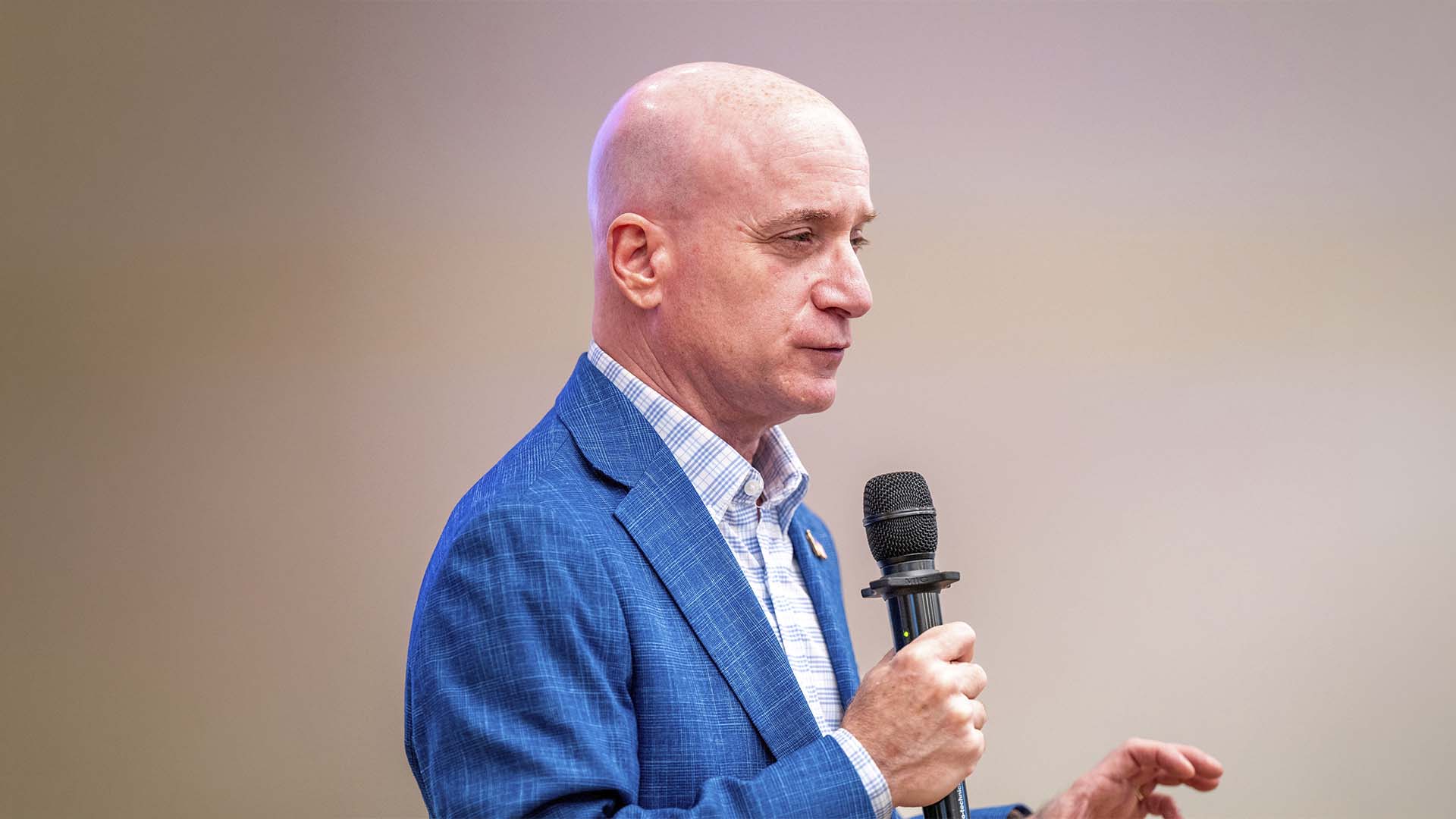

For Scott Tierno, leadership development is about designing systems that cultivate leaders, strengthen organizational culture, and create environments where people can thrive over the long term. As Senior Director of the Leadership Academy & Events at Unitek Learning, Tierno has spent nearly three decades helping organizations
build leadership systems that align with strategic priorities while never losing sight of the people those systems are designed to serve.
“Everybody thinks leadership is all about nuts and bolts and, truly, it is not,”. “Many people think leadership is about processes and technical expertise.” Tierno says. “In reality, leadership is about people. It’s about how you show up every day, how you treat others, and how you create an environment where people can succeed.
His philosophy reflects a growing shift from isolated leadership training to leadership systems, where leadership development becomes an ongoing organizational strategy rather than a one-time event.
Leadership Development Begins with Culture
Building a leadership pipeline that lasts requires more than identifying high performers. It demands an organizational culture that consistently reinforces trust, accountability, and shared purpose across every level of the business. At Unitek Learning, Tierno has helped scale leadership initiatives across the organization, a challenge that requires balancing consistency with the unique needs of the institution. Rather than creating different leadership models for every location, the focus is on identifying the common competencies that define successful leaders.
“The goal here is providing consistent training and development opportunities that meet all the needs of leaders within the organization,” he says. “You’re looking at what are the common themes that you want to focus on to make sure that they’re successful professionally.” This approach aligns talent development with strategic goals, while creating shared expectations that support organizational culture regardless of geography.
Building Leaders Before They Recognize Their Potential
One of the greatest challenges in academic leadership is identifying future leaders before they see themselves that way. “I didn’t realize I was a leader until I was a leader,” he says. Instead, leadership potential often reveals itself through everyday interactions. Managers who closely observe faculty and staff are well positioned to recognize individuals who naturally build trust, demonstrate empathy, and contribute positively to workplace culture.
“It all comes down to the way people contribute to the culture around them.” Tierno says. “Leadership begins long before someone receives a title.” By emphasizing respect, compassion, and emotional intelligence alongside accountability, organizations build stronger leadership pipeline strategies, while improving employee retention and engagement.
Building a leadership pipeline begins with recognizing potential, but sustaining leadership requires something much larger than identifying talented individuals. Organizations don’t scale leadership by creating better training. They scale leadership by creating better systems.
Designing Leadership Systems That Scale
Effective leadership development cannot rely solely on classroom instruction. Tierno believes organizations achieve stronger outcomes when structured learning is combined with executive mentoring, hands-on experience, competency frameworks, and continuous support. His work developing the faculty apprenticeship program at Unitek illustrates this principle. Many healthcare professionals entering education possess deep technical expertise but little formal teaching experience. Structured onboarding, mentoring, and practical coaching provide the confidence and skills necessary for long-term success.
“If you’re providing hands-on training and mentorship… then you’re providing the foundation that’s going to be necessary for them to be successful,” Tierno says. The measurable results reinforce the strategy. Faculty who completed the apprenticeship program achieved significantly stronger retention rates than colleagues who entered teaching without comparable preparation. For Tierno, the lesson extends beyond education. Designing scalable leadership development programs means giving people the tools, mentoring relationships, and developing the confidence they need before expecting them to lead others.
Compassion and Accountability Are Partners, Not Opposites
Leadership conversations often present compassion and performance as competing priorities. Scott Tierno challenges that assumption. Through his work as a Caritas Leader with the Watson Caring Science Institute and years of leading organizational transformation, he has seen that caring and accountability are not opposing forces—they are mutually reinforcing. Organizations achieve their best results when leaders create environments where people feel valued, supported, and challenged to perform at their highest potential. “When leaders intentionally build cultures grounded in caring, they don’t sacrifice performance. They elevate it. I’ve seen that transformation firsthand,” he says.
The role of Human Caring Science in leadership extends beyond employee wellbeing. It shapes stronger organizational culture by encouraging leaders to build trust while maintaining high expectations. Tierno argues that organizations frequently underestimate the business value of these so-called soft skills. “We often call them soft skills, but they’re actually the leadership skills that determine whether an organization succeeds.” Rather than focusing exclusively on training completion, stronger indicators include employee retention, engagement, onboarding success, leadership readiness, and the ability to sustain positive workplace culture over time.
Leadership Remains a Human Endeavor
As AI becomes increasingly integrated into the workplace, Tierno sees technology as an important tool rather than a substitute for leadership. “AI can enhance leadership, but it can’t replace human curiosity, empathy, judgment, or the relationships that build trust.” Ultimately, how organizations develop future leaders will continue to shape their long-term performance more than any technology alone. Leadership systems built on Human Caring Science, succession planning, executive mentoring, and measurable competency frameworks create organizations where people choose to stay, innovate, and grow together.