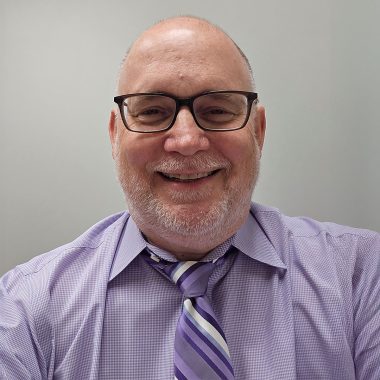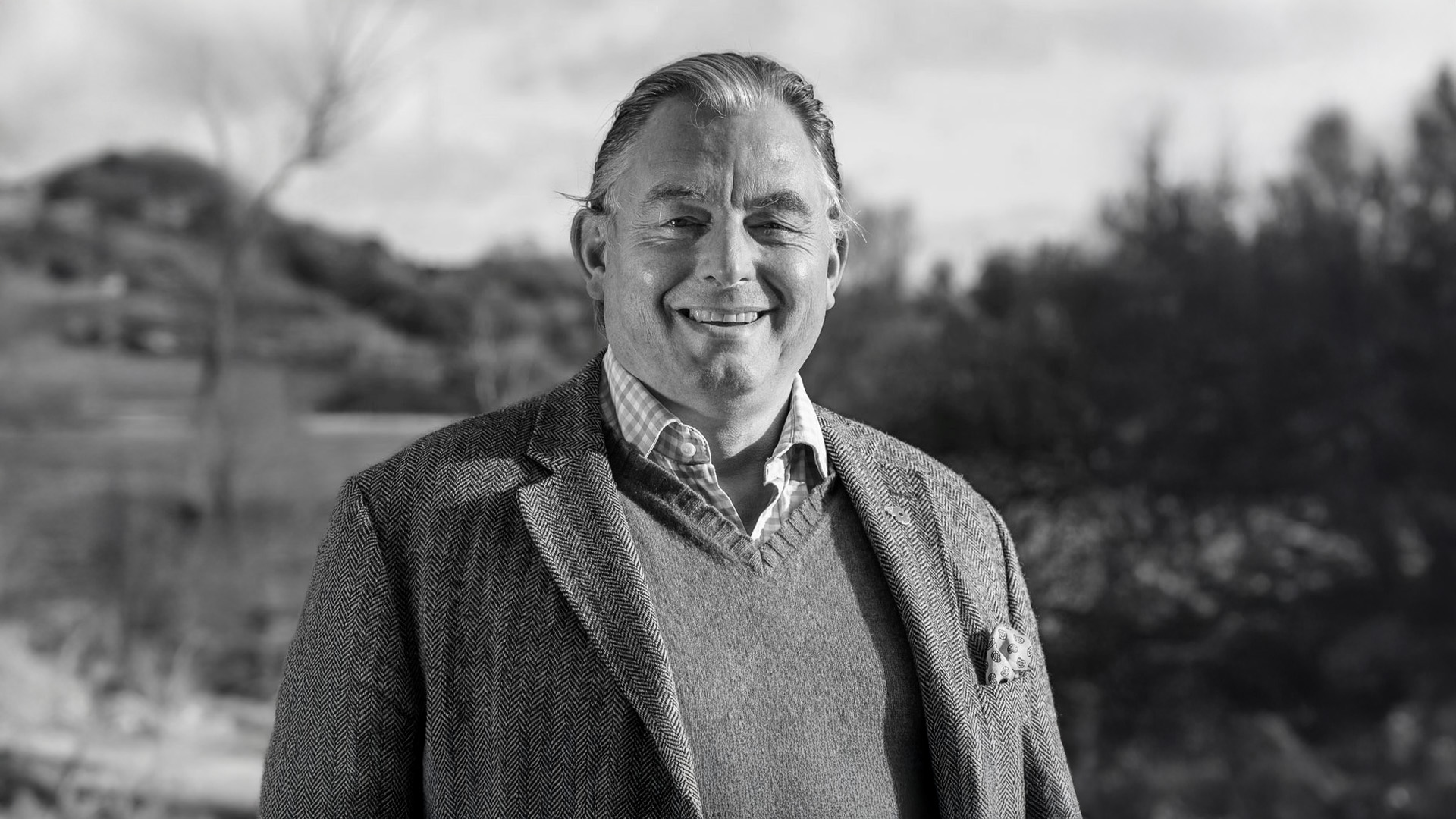

Edward M.R. Macfarlane’s appointment as Head of Healthcare and Wellbeing at weServed™ marks a significant moment for the early-stage company tackling one of the UK’s most persistent and complex challenges: how veterans and their families access healthcare once military service ends. With more than three decades of board-level leadership across defence, healthcare and complex operational environments, Macfarlane brings an invaluable blend of lived experience, systems thinking and delivery discipline to the role. “I come from a military family. My father served, my grandfather served, my uncles served, and I served,” he says. “This role brings together everything I’ve done in my career, but it also connects back to who I am.”
Founded to simplify access to care for the UK’s veteran community, weServed™ is an early-stage company building a fully integrated healthcare and wellbeing platform, launching nationally as it addresses the lack of a clear, joined-up route into care after service. For Macfarlane, long-term veteran health outcomes depend on integrated pathways, preventative wellbeing and the intelligent use of digital systems to remove friction from care.
Building Clarity Where Confusion Persists
The problem weServed™ is addressing is a lack of clarity. “When you’re serving, you have access to healthcare and wellbeing through the military system,” Macfarlane says. “When you leave, that support disappears overnight, and you’re expected to find your own way.” Veterans move from a highly structured, regimented healthcare system into civilian life where responsibility for navigating care shifts abruptly to the individual. In the UK, veterans and their families account for an estimated 5.6 million people. Despite improvements in recent years, support remains fragmented across the NHS, private providers and a vast charitable sector. “We want to make sure veterans are never confused about where they can go, and that organisations on the pathway understand what veterans actually need.”
Designing an Integrated Healthcare Pathway
At the core of Macfarlane’s mandate is the design of a national veteran healthcare and wellbeing pathway, integrating physical health, mental health, family support, lifestyle medicine and later-life care into a single, guided experience. His seven years as an operational leader and clinical director within the NHS inform a pragmatic approach grounded in how care is actually delivered. “We’re mapping everything from teeth to hearing, hips, knees, sleep, glasses, women’s health, fertility, children’s health and preventative care,” he says. “The key is aligning those services to clinical pathways so people know where they are on the journey and what comes next.”
Rather than directing veterans to a single provider, the platform will act as a shop window, offering choice while ensuring quality and relevance. This approach also has implications for the charitable sector. With more than 1,700 military charities operating in the UK, better alignment stands to improve outcomes on both sides. “Linking specific charities to specific pathways helps funds reach the people who need them faster, and with greater confidence.”
Using Digital Innovation to Release Human Capacity
Digital transformation is treated as an enabler of better care at weServed™. Drawing on large-scale NHS programmes, Macfarlane says his focus in his new role is on using technology to reduce administrative friction and release time back to clinicians and support teams. “If you can reduce the amount of time spent moving data between systems or onto paper, that time can be redirected into care,” he says.
weServed™’s platform is being designed with interoperability at its core, using APIs to connect providers and enable smoother data flows. The aim is to simplify access and improve decision-making for veterans and their families. “When resources are limited, using them well matters. Too much healthcare time is still lost to administration, and that’s what we want to change.”
A Preventative View of Wellbeing
A committed advocate of preventative health, Macfarlane prioritises long-term wellbeing. “Maintaining movement, flexibility and cardiovascular health reduces the likelihood of more severe interventions later on,” says Macfarlane, who began competing in triathlons in his 50s as a way to sustain fitness across later life. Mental wellbeing carries equal weight, and small, habitual practices matter. weServed™ is actively partnering with organisations that support mental health, breathing and relaxation techniques, embedding these into the wider wellbeing ecosystem. “Sometimes it’s as simple as sitting by the sea with a cup of tea and giving yourself space to reflect,” he shares.
Redefining Success for Veteran Healthcare
Ultimately, Macfarlane wants to help shift how veterans are perceived: not as a charitable cause, but as a powerful community asset. “Every time we help a veteran or a family member navigate their next step, we’re doing what weServed™ was set up to do.” This is a long-term build, and each year will add new partners, new pathways and broader reach. “If veterans and their families are using clearly defined pathways that help them manage their physical and mental wellbeing, that’s progress.”
Follow Edward M.R. Macfarlane on LinkedIn or visit their website.