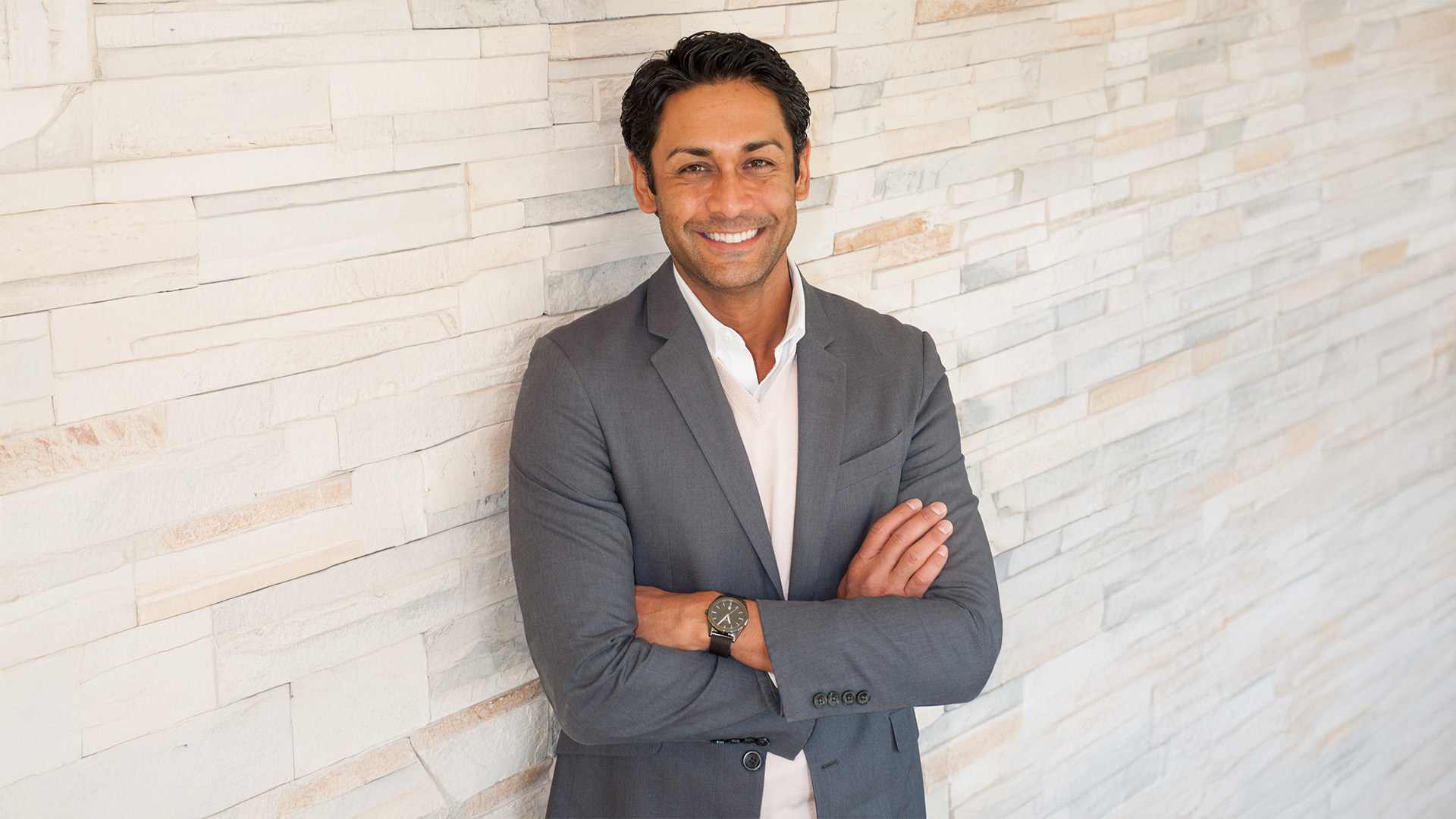

Healthcare’s biggest problem isn’t complicated. People cannot get the care they need. Rural patients cannot reach specialists. City dwellers wait months for appointments. The system knows about these gaps, talks about fixing them, but nothing really changes. Noel Khirsukhani, Chief Growth Officer at Andor Health, spent 25 years watching this play out. Now he is finally seeing something different happen, and it is changing faster than anyone expected.
Growing Insight Through Real Experience
Some lessons come from textbooks. The important ones usually do not. Over his career in healthcare, Khirsukhani learned what actually matters by living through it. “I’ve had an opportunity over the last several years to really understand from my own health situations what some of the big gaps are that we run into,” he explains.
There is nothing like personal experience to show you where the system breaks down. He has been working with Raj Toleti, Andor Health’s CEO and founder, for 15 years now. That is enough time to see healthcare try a lot of different fixes. Most of them did not work. But something shifted recently that feels different from all the previous attempts.
“I think AI has changed the entire trajectory of how we can transform healthcare delivery,” Khirsukhani says. The technology finally caught up to what healthcare needed. Healthcare has tried fixing its access problems before. Technology was not good enough. Business models could not support the changes needed. Operating structures got in the way of actual progress. You could see what needed to happen, but the tools to make it real just were not there yet.
That is not the case anymore. The technology exists now to do things that seemed impossible a few years ago. “I believe that GenAI is opening an entirely new realm of how we can use collaborative agents to actually support care delivery and really humanize it,” Khirsukhani explains.
That word, “humanize,” matters more than it might seem at first. Healthcare lost something important when family doctors disappeared. You used to have a doctor who knew your history, your family, your life. That relationship vanished as the system became bigger and more complicated.
Removing Barriers to Care Access
Geographic barriers kept patients from specialists. Service limitations meant you could not get certain types of care. State borders created artificial boundaries that made no medical sense. These problems seemed permanent, as though they were simply part of how healthcare worked. It turns out they were not as permanent as everyone thought.
“We’re in an age where the barriers are coming down, whether it’s geographical, whether it’s just purely service line related,” Khirsukhani points out. The technology can now map out pathways for patients that nobody thought to look for before. Agentic AI spots opportunities to connect patients with care that human administrators miss. It does not replace the human element; it makes the human element actually work.
Talk is cheap in healthcare. Everyone promises better access until you actually need to see a specialist. But some places are putting real numbers behind these promises.
Medical University of South Carolina decided to tackle the specialist waiting problem head-on. The results would sound made up if they were not documented. “They’ve taken what used to take 120 days to see a specialist down to less than five by going virtual,” Khirsukhani shares. Four months down to less than a week. They did it by stopping the artificial limitation of only using clinicians inside South Carolina. Virtual care means you can pull in specialists from anywhere. State lines do not matter anymore when the appointment happens on a screen.
Reshaping Healthcare Through Virtual Access
This shift ripples out further than scheduling alone. “That changes how we think about workforce and resources,” Khirsukhani explains. Healthcare built itself around geography because it had to. Hospitals hired based on who could physically show up. Resources were allocated based on local populations. All of that assumed that location mattered in ways it simply does not anymore.
The patient side changes even more dramatically. Waiting four months to see a specialist means four months of worry, four months of symptoms, four months of not knowing. Cut that to less than a week and you are talking about a completely different experience. “They’re not waiting to actually gain access, they can actually get it immediately,” Khirsukhani says.
Immediate access changes everything about how patients interact with healthcare. Healthcare makes a lot of promises. Most of them do not pan out. But this shift looks different because it is already happening. Medical University of South Carolina is not running a pilot program or testing a theory. They are treating real patients with real results that you can measure.
The technology finally exists to fix problems that healthcare has complained about for decades. Geographic barriers only mattered because we could not get around them. Now we can. The question is no longer whether this will change healthcare. It is how long the rest of the system will take to catch up with what is already working.
Connect with Noel Khirsukhani on LinkedIn to follow his insights on the future of healthcare access.