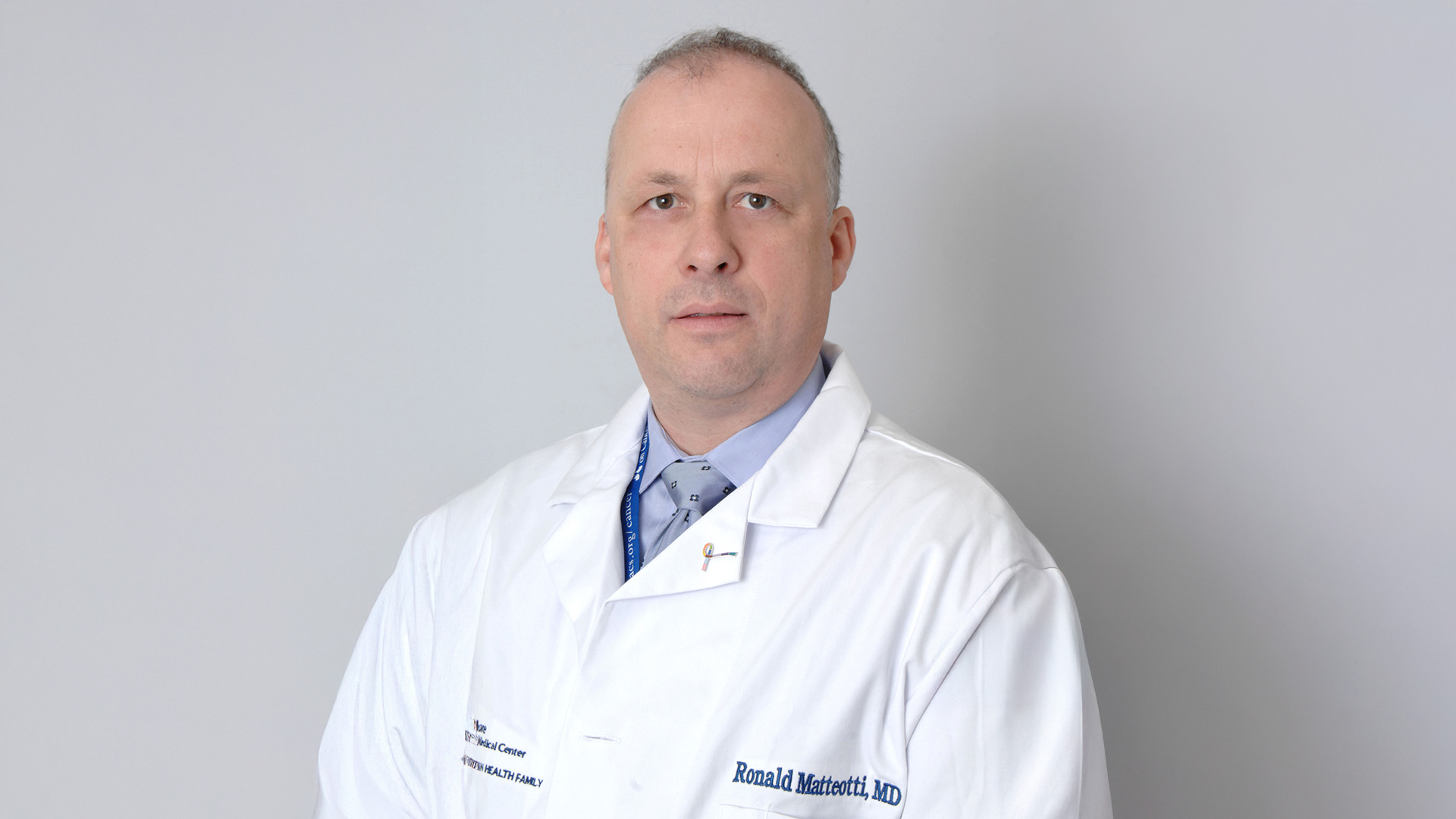

Cancer outcomes depend profoundly on the quality of expertise available to patients, yet access to top oncologists remains uneven across geography, income and health system boundaries. Dr. Matteotti believes this imbalance is solvable. With two decades of experience spanning surgical oncology, global medical affairs and digital health innovation, he argues that artificial intelligence can finally bridge these long-standing divides by expanding the reach of expert judgment without compromising the human element at the core of cancer care.
“AI becomes an access tool for anyone, anywhere, anytime to high-end oncology care,” he says. The goal is not automation for its own sake, but the strategic use of technology to ensure that expertise is no longer limited to those who live near major cancer centers or can afford repeated travel.
The Urgent Need to Close Oncology’s Access Gap
Achieving equitable access begins with recognizing how uneven the current landscape is. Many patients don’t realize they should seek second opinions, and those who do often cannot reach major cancer centers. The constraints vary, some are limited by geography, others by financial realities, and many by systems that unintentionally keep care siloed.
When Dr. Matteotti’s family member was diagnosed with breast cancer, the advanced options available elsewhere were not offered at their own university hospital. “I had a hard time finding the right treatments for her,” he says. That experience sharpened his view that if two seasoned physicians struggled, the barriers for the average patient were even higher.
The issue, however, is not typically the quality of the treating physicians. Rather, it is the structure of care delivery itself. Teams tend to rely on the tools and treatments within their own institution, and many patients do not have the means to pursue expertise beyond their region. This matters: second opinions alter treatment decisions in up to 45% of cases.
Strengthening Clinical Judgment with AI
Dr. Matteotti sees AI as a practical, tactical tool that stands to enhance oncology by streamlining the steps that distract from patient care. For example, AI can do things like summarize years of medical records, highlight high-risk findings on imaging and even reduce redundancies that overwhelm clinical teams.
These tools are especially valuable in complex cases with long histories and extensive documentation. “You are looking at hundreds of CTs to find one cancer,” he says. AI helps physicians focus where it matters most while preserving full clinical oversight. Simple cases don’t need this heavy algorithmic support, so precision becomes essential only when the volume and complexity exceed human efficiency.
“Patients fear AI will finalize their diagnosis,” he says. “No. AI supports personalized treatment plans, but always with human oversight.”
How Health Systems Can Build AI-Enabled Access
Dr. Matteotti outlines several steps health systems can take within 12 to 18 months to widen access using AI:
1. Strengthen data infrastructure: Create systems that allow records to be organized, interpreted and shared without friction so clinicians have the full picture at the right time.
2. Redesign workflows to remove inefficiencies: Automate tasks that technology can do more quickly and accurately, allowing physicians to spend more time on direct patient care.
3. Expand clinician training through AI-supported simulations: Use advanced training models to help teams prepare for complex procedures and unexpected complications.
4. Build continuous patient engagement platforms: Adopt tools that deliver automated prompts, educational updates, follow-up reminders and check-ins to support patients beyond their initial diagnosis.
5. Empower patients with intelligent self-tracking tools: Enable patients to log symptoms, ask questions and receive curated updates about new therapies relevant to their condition.
6. Address regulatory barriers limiting cross-state expertise: Current licensing requirements restrict second opinions across state lines. “Medicine in Florida is the same as medicine in Texas.” Easing these restrictions would allow expertise to reach more patients.
Redefining How Patients Find the Right Oncologist
Looking ahead, Dr. Matteotti anticipates a shift in how patients identify the best experts for their condition. The default today is to seek care at well-known institutions, which have brand recognition for decades. Where AI can help is in mapping expertise across thousands of clinicians nationwide, revealing skilled oncologists who practice far from major cities.
“You do not need a Porsche to get from A to B,” he says. “A Volkswagen will bring you there just as safely.” In oncology terms, patients may find equally strong care locally when guided by intelligent matching systems rather than branding alone, with same quality and no compromise in outcomes.
For rare cancers or highly specialized trials, digital platforms can guide patients toward the right national centers. But for many standardized treatments, patients can stay close to home, surrounded by their loved ones with no additional cost, like travel and lodging fees, which are not reimbursed by insurance policies. The key is unbiased direction, expertise guiding the way rather than institutional incentives.
Changing The Standard of Care
For Dr. Matteotti, second opinions must be considered mandatory in oncology. They refine treatment plans, validate decisions and ensure that no option is overlooked. “If a physician gets offended, it is the physician’s problem,” he says, stressing that a second opinion is a form of safety and empowerment for the patient and even the treatment team.
Digital platforms extend that safety throughout the patient journey. Beyond diagnosis, they can support survivorship by helping patients stay on track with follow-up exams, scans and blood work. When two experts agree, patients gain confidence. When they disagree, the patient gains clarity about the questions that matter most.
Technology at its best elevates care, not replaces clinicians, and AI has the power to do that by widening the circle of expertise so no patient feels they must navigate a cancer diagnosis alone.
Readers can connect with Dr. Ronald Matteotti on LinkedIn or visit his website to learn more.
As CEO of TTH.ai, my mission is to bring clarity to every cancer journey. Visit www.tth.ai to receive a trusted second opinion from our expert team.