
Healthcare waits for the fall, then responds. The person goes to the emergency room, gets hospitalized, experiences delirium, loses muscle mass, and enters skilled nursing. Many never return to independent living.
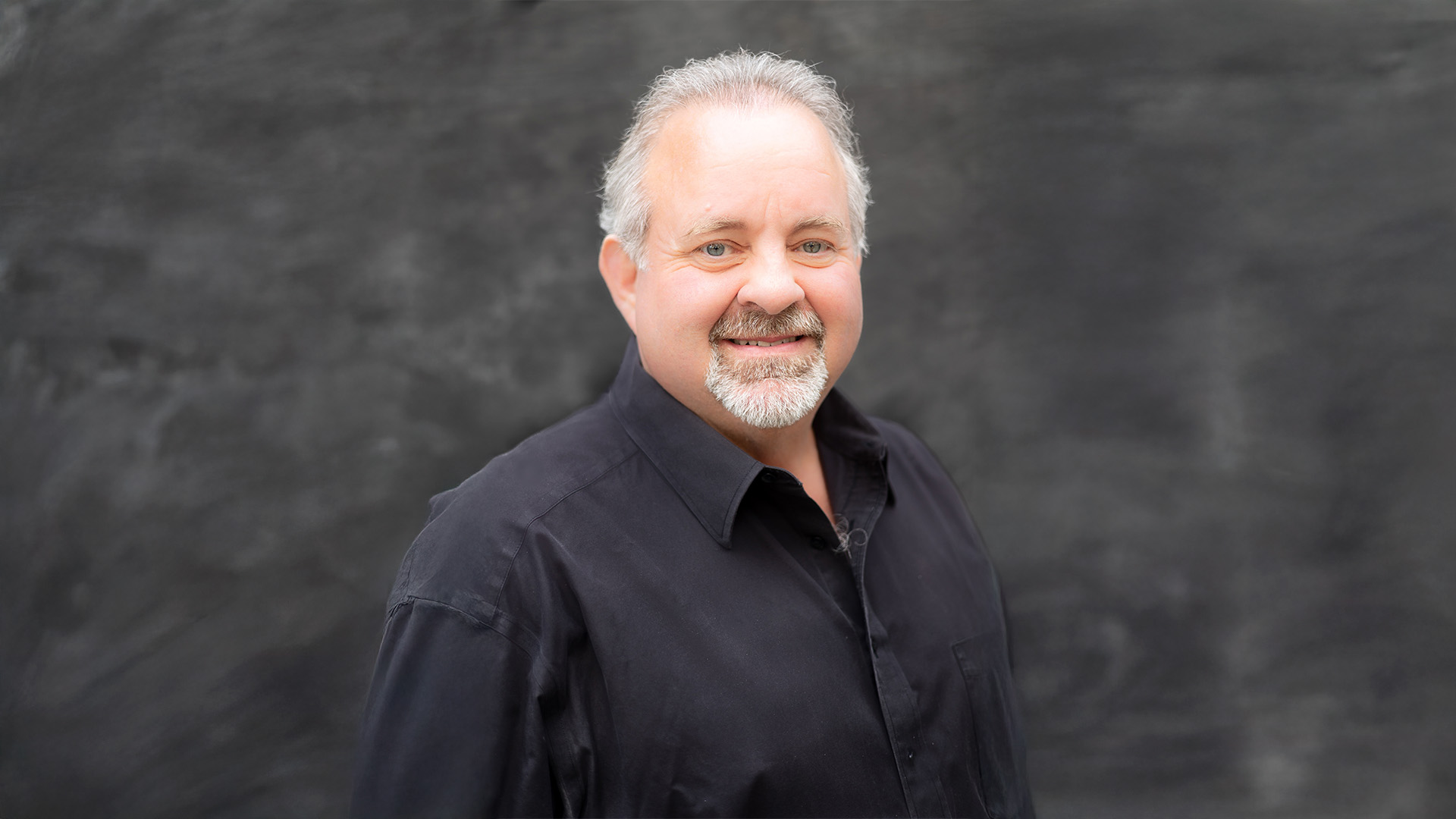
Steve Waddell has spent years working in AgeTech and ambient health intelligence, studying what comes before that fall. He’s learned that the earliest signs of decline show up in the one place nobody is watching. The bathroom is where truth reveals itself through daily routines. How steady someone’s gait is, how long it takes to begin brushing teeth, whether they hesitate before reaching for the faucet, and how often they hydrate.
These aren’t random behaviors but signals announcing decline weeks or months in advance. The body whispers before it screams, and healthcare hasn’t been listening. Waddell calls this behavioral drift, the slow fade of function hiding in plain sight.
Making Technology Disappear to Protect Dignity
Continuous monitoring only works if it feels respectful, invisible, and optional; not intrusive. Older adults don’t want more devices to charge, more screens to navigate, or more reminders that they’re being watched.
“Dignity is not a feature. It’s a boundary condition,” Waddell emphasizes. “If technology can’t preserve dignity, it doesn’t belong in the home.”
His father was a decorated Army combat veteran who started falling while living 30 minutes away. Waddell didn’t know if his father had fallen that day, how long he might have been on the floor, or whether this would be the fall that forced assisted living. One day it was. Within six months of losing his independence, they lost him.
Falls have affected both sides of Waddell’s family. The experience shaped Waddell’s understanding that solutions requiring visible accommodation, wearables, cameras, and buttons fail because they violate the independence people are trying to preserve.
Radar-based sensing embeds monitoring into the environment rather than the person. Millimeter wave radar, similar to technology used in car proximity sensors, detects movement, breathing patterns, and behavioral rhythms without requiring any action from the person being monitored. The bathroom becomes a health sensor, and daily routines become vital signs.
“We’re using almost medical-grade radar in new and novel ways,” Waddell explains. The technology observes patterns, not people. It measures micro movements, not identity. People live naturally while the environment quietly captures what matters.
From Patterns to Predictions
Passive ambient sensing shifts focus from events to early indicators. Reactive systems wait for falls and emergency visits. Predictive systems detect behavioral drift long before those events occur.
Waddell’s approach establishes baseline measurements, then tracks changes over time. Slower movement, hesitation, restlessness, and reduced hydration are all signals that build up over weeks, invisible to the eye but unmistakable in the data.
“We transform these signals into a daily behavioral score,” Waddell notes. “The Healthy Habits Index (HHI), a vital sign for independence.”
Once drift is measurable, risk becomes predictable. If the HHI score shows gait has worsened, a caregiver can intervene with strengthening exercises to build leg muscles and prevent future falls. Proactive actions mitigate risk before a crisis occurs.
The Small Things That Matter Most
Aging and cognitive decline don’t start with the fall. They announce themselves through subtle changes that people ignore.
Shorter steps, asymmetry in gait, hesitation when standing up, or leaning over the sink, slower response times, and sleep fragmentation are signals that seem insignificant.
“Taken individually, these signals all look harmless,” Waddell explains. “But when you put them all together, they tell a story of rising risk. Falls don’t begin with the fall. They begin with behavioral drift.”
By capturing and scoring that everyday drift daily, families gain the ability to protect independence and lives before a crisis occurs.
From Reactive to Predictive
After years of working in AgeTech, Waddell’s vision represents what he calls a blue ocean strategy, creating new market space rather than competing where wearables, apps, and emergency buttons already exist.
“We’re not building another fall detection thing,” Waddell explains. “We’re evolving from Personal Emergency Response Systems to Predictive Emergency Readiness. From reacting after someone is on the floor to preventing them from ever getting there.”
Detection happens sooner. Intervention happens earlier. Families get time to act before a crisis takes something that can’t be recovered.
The bathroom is the front line of functional drift. Passively listening to routines that reveal the earliest signs of change makes prevention possible. The body whispers before it screams. The question is whether healthcare will finally start listening.
Connect with Steve Waddell on LinkedIn for insights on AgeTech, predictive fall prevention, and ambient health intelligence.