
Technology has become the operating system of the enterprise, rewiring companies from the inside out and reshaping how organizations scale, innovate, and execute go-to-market strategies while managing risk and accountability. Treating technology as a function to supervise is an outdated and increasingly risky view. Technology governance is something far more consequential: the governance of how decisions are made at scale.
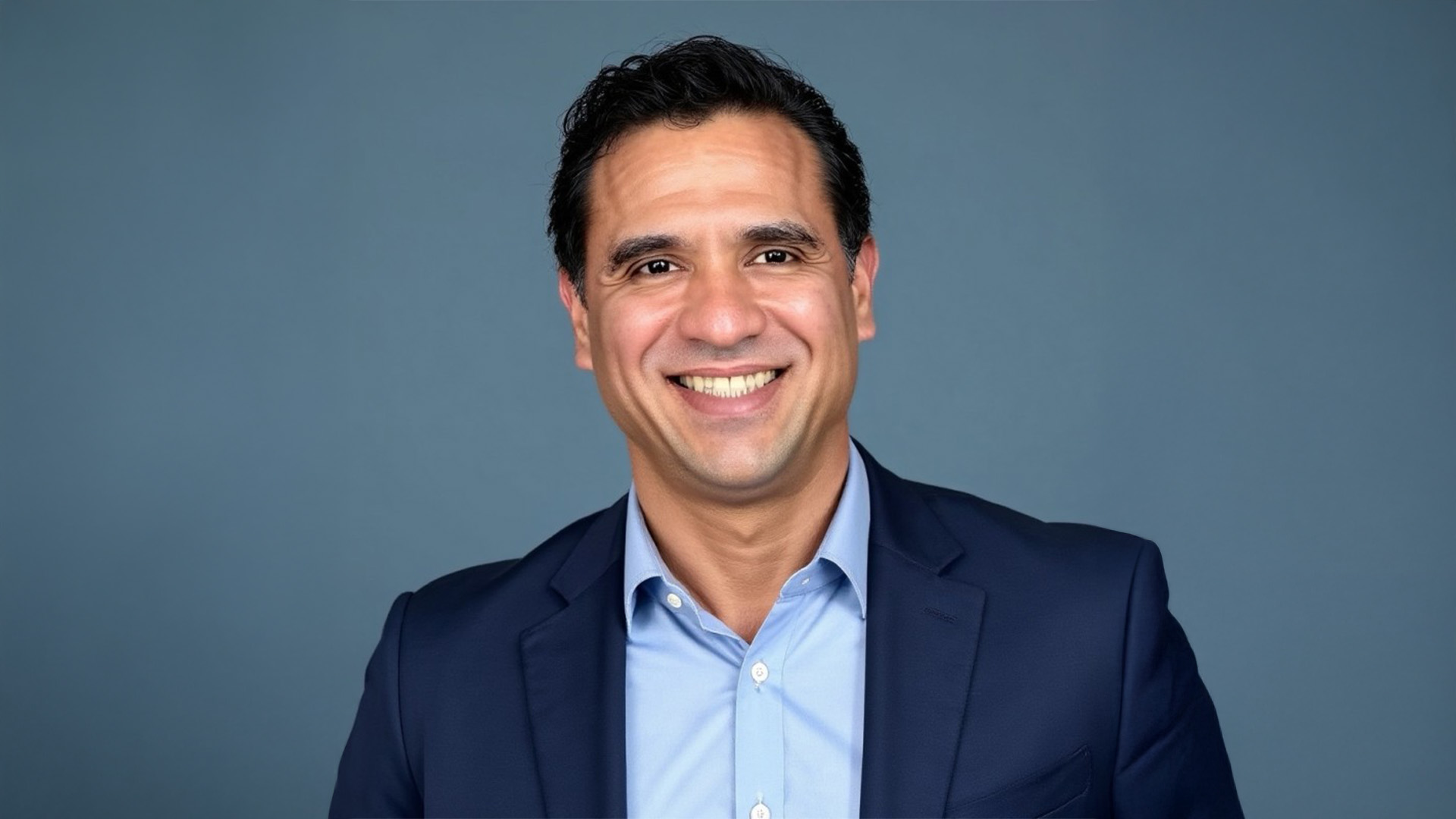
After more than three decades leading global businesses across cloud, AI, hardware, and software, Alvaro Celis has come to see this shift as a direct threat to performance, trust, and coherence at scale, particularly as innovation, go-to-market execution, and partner ecosystems become increasingly technology-driven. “It will not feel like a failure at the beginning,” says Celis, a former Microsoft executive and global technology board leader. “You will just not notice.” By the time the symptoms are visible, relevance may already be slipping away.
From IT Oversight to Decision Architecture
Early in his career, Celis believed technology governance was primarily about control and compliance. IT was something to manage, budget, and keep in line. Today, the real governance challenge sits one level higher, in the structures that shape how fast organizations move, how they scale innovation, how they execute go-to-market strategies, and who ultimately owns outcomes.
“Technology governance is no longer about supervising an IT function,” he says. “It’s really about the governance on how the company will make structural decisions at scale.” As AI becomes embedded across operations, that decision architecture determines whether companies gain velocity across innovation, go-to-market execution, and ecosystem partnerships, or stall under their own complexity.
Boards that miss this transition often rely on familiar and comforting dashboard signals such as on-time project delivery, budget adherence, or backward-looking KPIs. While all suggest stability, they reveal little about how well decisions are actually being made. When boards focus on delivery milestones rather than decision quality and outcomes, risk accumulates inside the operating model.
The Hidden Cost of Invisible Risk
One of the most dangerous governance failures Celis sees is what he calls invisible risk debt, the cumulative exposure created when decision quality, accountability, and outcomes quietly degrade beneath the surface. It builds in two opposing but equally damaging ways. Some organizations optimize relentlessly for speed, celebrating activity and adoption across innovation and go-to-market initiatives without scrutinizing the quality or consistency of decisions. Others fall into structural slowness, layering on so many controls that decision velocity collapses.
“The accumulation of those misses really starts degrading performance,” Celis says, often through missed opportunities and organizational strain. When success is measured by activity instead of outcomes, boards risk overestimating progress. Over time, the gap between leadership perception and the company’s actual operating reality can widen in ways that are difficult to detect early.
Reframing the Conversation
Improving technology governance requires a different rhythm, one that shifts boards away from episodic oversight toward a continuous examination of how decisions are formed, tested, and executed at scale across innovation, go-to-market execution, and partner ecosystems, especially as AI becomes embedded into core operating processes. Celis advocates for a board-level decision system review that cuts across technology, process, and governance, with explicit attention to where AI is shaping judgment, speed, and outcomes.
“What does this decision optimize for? Where does it fail? Who owns the outcome and who owns the decision?” he says. Boards must press for clarity on the real options at the table; the data and models informing the choice; and how incentives and AI-driven recommendations influence timing and accountability.
Celis draws a sharp distinction between automation and reinvention, a line that becomes more consequential in the presence of AI. Automating existing processes may increase speed, but it does little to improve outcomes if the underlying decision logic remains flawed or unexamined. The governance challenge isn’t to react to AI implementation, but to deliberately redesign how decisions are framed, evaluated, and owned in an environment where machines increasingly inform or execute them.
Mapping Technology to Value
A central tool in this shift is having what Celis calls a technology leverage map. Unlike traditional dashboards, it draws a direct line from company value outcomes to the critical processes and decision points that produce them, including innovation pipelines, go-to-market motions, and ecosystem engagement, and then to the technology and AI systems enabling that work.
Viewed end to end, the map surfaces dependencies and blind spots that standard reporting often misses. It helps boards see whether performance indicators are genuinely forward-looking and exposes whether incentives, KPIs, and decision rights remain aligned as AI becomes more deeply embedded in the operating model. Just as important are the warning signs. One of the clearest, Celis says, is managed consensus. “Everything looks green. Everything is okay.” When there is no tension in the room, no meaningful debate, and no hard trade-offs being surfaced, boards should be concerned. In governance, complacency is often more dangerous than conflict.
Governing for Accountability and Relevance
As AI reshapes decision-making at scale, boards will face surprises not in the technology itself but in second-order effects that impact innovation velocity, go-to-market effectiveness, and ecosystem trust. Incentives can conflict with algorithmic optimization; accountability can blur as leaders defer to models; and tension can emerge as AI-driven decision systems begin to influence prioritization and how work is evaluated across the organization.
To avoid playing defense later, he urges boards to establish a decision system charter. It should define which decisions must remain human-owned, which require human approval, and where AI can lead execution. Auditability and traceability are not just compliance requirements but foundations of trust and performance.
The boards that outperform over the next decade will treat decision systems with the same rigor as capital allocation. Governance, in this framing, is not about avoiding mistakes. It’s about shaping how organizations think, choose, and act, and ensuring they retain a clear path to relevance as the fabric of business continues to change.
Follow Alvaro Celis on LinkedIn for more insights.