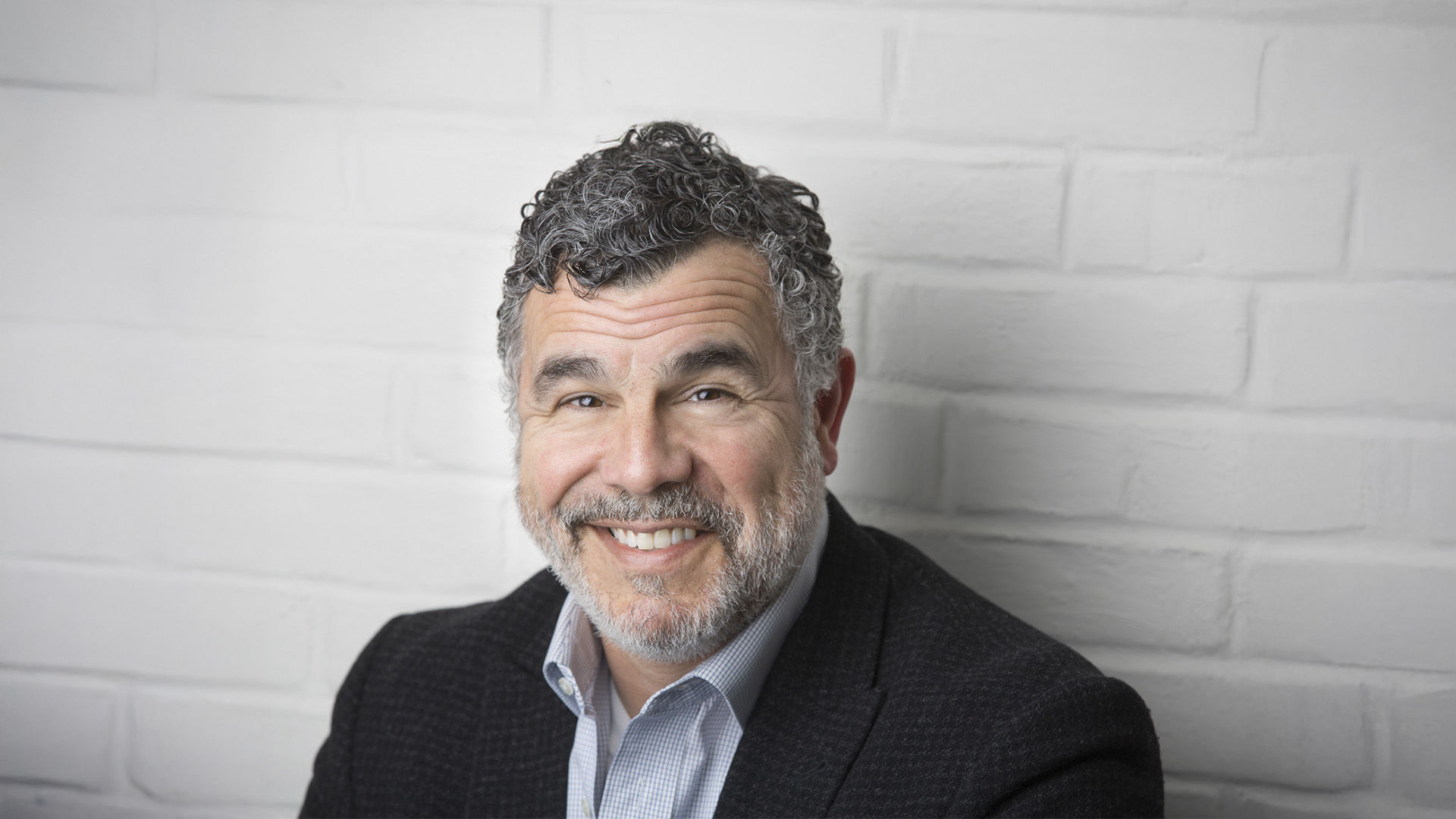

Most organizations, according to Thane Bellomo, have a courage problem, not a strategy problem. “Leaders are the only ones that can fix their culture. Consultants can’t do it for them,” says Bellomo, who’s spent more than two decades advising senior leaders inside large, complex enterprises. After watching repeated cycles of leaders outsourcing responsibility for culture change while leaving their own behavior untouched, Bellomo began to name the pattern directly.
He describes this recurring dynamic as a lie economy, a system in which leaders say the right things about merit, development, and accountability while tolerating contradictory behavior in practice. The result isn’t dramatic collapse but gradual erosion, where the organization drifts further from its stated values while insisting publicly that everything is aligned.
As Founder of Bellomo Leadership, Bellomo works with executive teams willing to confront that gap directly. His focus is on helping leaders build what he calls a courage economy, one in which standards are explicit, incentives are aligned with stated values, and leaders themselves are accountable to the same rules they expect others to follow.
The Architecture of the Lie Economy
These comfortable lies are usually packaged as values, slogans, and polished frameworks that signal alignment while masking contradiction. “We value your input,” leaders say, even when the decision has already been finalized. “We promote based on merit,” despite patterns that reward political loyalty over performance. “Bring your whole self to work,” provided that the parts on display conform to what leadership finds acceptable.
Bellomo argues that these patterns persist because they’re functional for those in power. Leaders who rose by mastering office politics are unlikely to dismantle a system that rewarded them for it. “If I got to my position because I’m good at playing office politics, why would I want to eliminate office politics?” he asks.
Bellomo recalls working with a talented employee who sought promotion year after year. She was told to improve her “leadership presence” or take additional project management courses. No one told her the real barrier was how she showed up interpersonally and how that could be addressed constructively. “She spent all of her career spinning her wheels, because no one would tell her the truth,” he says. The organization avoided discomfort, but she paid the price.
Start With What You Actually Reward
Changing this begins with a hard inventory. Bellomo advises leaders to spend 30 days documenting what’s truly rewarded and punished inside their organization – not what the values poster says but what actually happens. Who was promoted in the past year, and for what behaviors? Who’s informally protected despite underperformance? Who’s penalized for dissent?
“Be ruthless about it,” Bellomo says. “Track it. Write it down. And be honest with yourself.” Employees are rational. They do what’s rewarded and avoid what’s punished. If tactical firefighting earns praise while strategic thinking stalls careers, the organization will fill with firefighters. If political maneuvering secures advancement, politics will flourish.
Make One Lie Expensive
Bellomo recommends selecting one pervasive lie and attaching real consequences to it. If leaders claim to value development, tie a meaningful portion of their compensation to measurable growth in their teams. “Make the lie cost something,” he says. When incentives shift, behavior follows. Development stops being a talking point and becomes a performance requirement. The same logic applies to meritocracy. If promotion criteria are opaque, publish them. Hold senior leaders to those standards first. Without visible alignment between stated values and leadership behavior, employees assume the system is rigged. In a lie economy, that assumption is often correct.
Submit to the Standards You Create
The most difficult step is personal. Leadership in a lie economy offers autonomy and privilege. A courage economy demands submission to the same standards imposed on everyone else. “Whatever standards you create, hold yourself to those exact standards,” Bellomo says. Every exemption signals that the rules are negotiable for those at the top. When leaders model accountability, they remove the ambiguity that fuels distrust. Teams no longer spend energy decoding hidden agendas or navigating political minefields, and that energy can be redirected toward performance.
Courage Pays Off
Bellomo frames the ultimate benefit in simple terms: engagement. “What would happen to your organization if every single person was fully invested in making it better than it was yesterday?” he asks. Performance would improve. Still, many organizations accept widespread disengagement as normal. In a lie economy, employees protect themselves. They focus on self-preservation rather than innovation.
A courage economy changes that. “People don’t have to spend all their time trying to figure out what’s true and what’s not true,” Bellomo says. “We can actually build teams around curiosity, challenge, and trust.” Courage is expensive. It requires leaders to give up comfort, control, and sometimes status. But Bellomo’s argument is direct: the long-term cost of lies is far greater.
Follow Thane Bellomo on LinkedIn or visit his website for more insights.