
The future of sports sponsorships will be all about integration. Integration across every touchpoint of the fan and brand experience – spanning live events, broadcast, digital platforms, retail environments, and data ecosystems – is what creates a better experience for fans and brands, allowing value to build over time.
That level of integration sets the foundation for how modern partnership programs are designed. When experiences are connected rather than fragmented, brands are able to engage audiences more consistently, and organizations can deliver more meaningful, measurable outcomes across every channel.
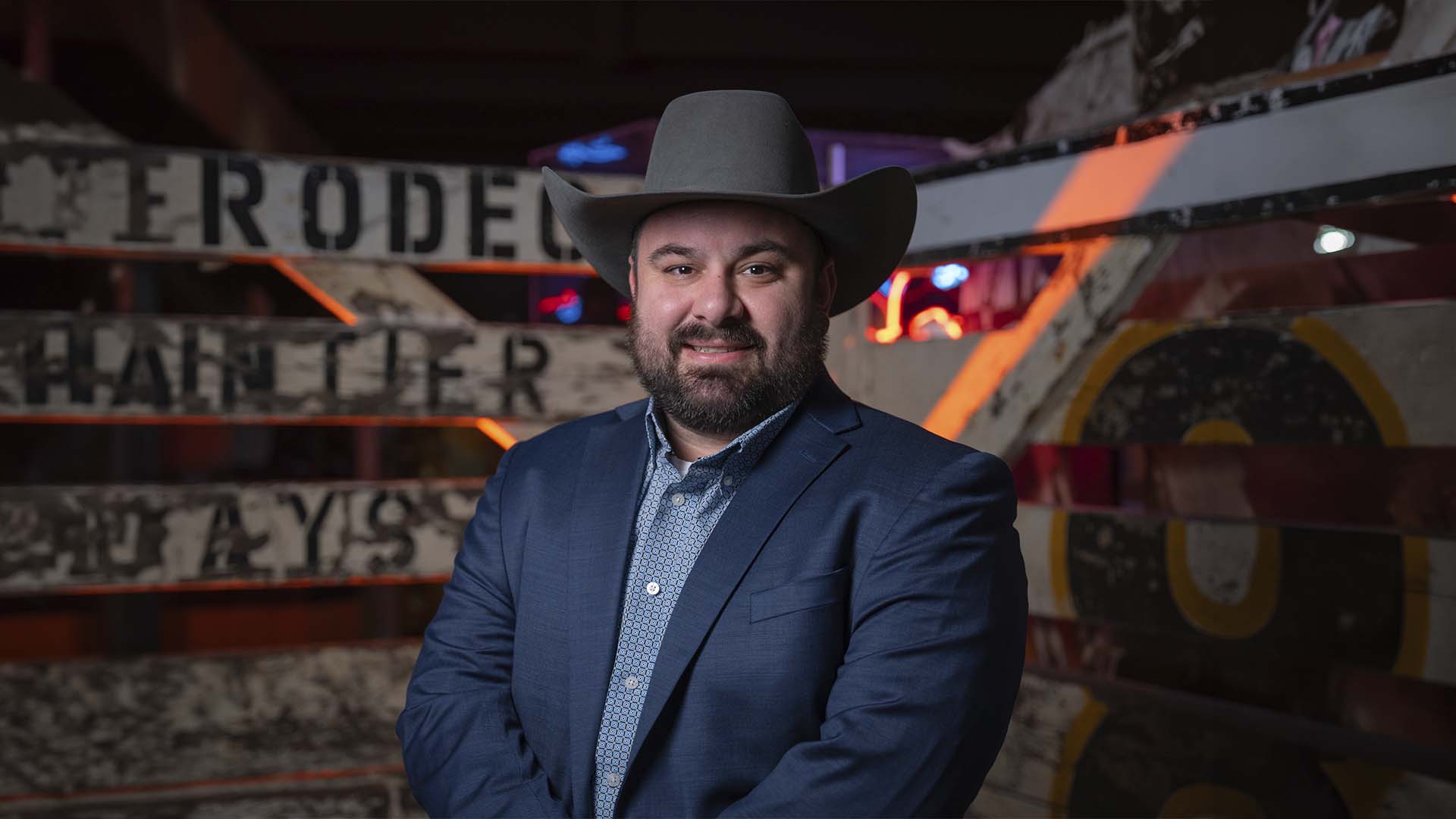
“Too many organizations focus on selling assets instead of building solutions,” says Kevin Kersey, Vice President of Business Development at the Professional Rodeo Cowboys Association (PRCA). “When you don’t understand the objectives of your partner, the approach doesn’t scale.”
Moving from one-off activations, Kersey points to fully connected partnership models where content, commerce, storytelling, and measurable performance are aligned into a single, cohesive system that delivers sustained value for both the brand and the property. At PRORODEO, he is reshaping its sponsorship strategy, turning a legacy sport into a modern platform for brand activations, media partnerships, and measurable sponsor return on investment (ROI). Below, Kersey outlines how organizations can build scalable, national programs that move beyond traditional sponsorship models and deliver long-term growth.
Reframing the Value of the Western Sports Audience
Many national brands still view rodeo as niche or outdated when in fact there’s a deeply engaged, multi-generational audience with significant purchasing power. “Our fan base is approximately 40 million and growing across the country, ” he says. “They are the most loyal, value-driven consumers, and when they believe in a brand, they don’t just buy once. They advocate.”
This dynamic creates a compelling foundation for sports sponsorships that extend beyond visibility. It enables a multi-channel revenue strategy for sports organizations that ties brand messaging to lifestyle alignment, community trust, and repeat engagement. Rather than positioning rodeo as a regional property, Kersey frames it as an undervalued national platform with strong potential for revenue diversification through licensing programs, broadcast monetization, and integrated brand partnerships.
Building Partnerships That Drive Measurable Revenue
“The first question we ask is simple,” he says. “What are you trying to achieve?” That informs everything from program design to execution. Whether a partner is focused on customer acquisition, brand awareness, or market expansion, the resulting partnership is structured as a cohesive platform rather than a collection of assets.
This framework for designing scalable partnership programs prioritizes repeatable value over repeatable inventory. It ensures that each activation, from live events to digital storytelling, contributes to a broader business objective. The result is a more durable model for partnership scalability. Instead of transactional deals, brands become embedded across multiple touchpoints, including live experiences, retail integrations, and media partnerships.
Turning Data Into a Competitive Advantage
A central component of modern sports sponsorship monetization is the ability to prove impact. Kersey has prioritized investments in data infrastructure that connect live events, broadcast, and digital engagement into a single performance narrative. “We’re not just reporting impressions,” he says. “We’re showing what fans are doing before, during, and after the event.” Through first-party data capture, advanced analytics, and real-time KPI tracking, PRORODEO is redefining how sponsor ROI is measured. Each partnership begins with clearly defined success metrics, followed by customized dashboards that track performance against those goals.
This approach transforms partnerships from cost centers into growth channels. By demonstrating how brand activations drive revenue, customer behavior, and long-term engagement, the organization strengthens its position in an increasingly competitive sponsorship landscape. It also unlocks new opportunities in broadcast monetization and media partnerships, where integrated data can enhance both content strategy and advertiser value.
From Passive Sponsorships to Integrated Ecosystems
The most significant shift Kersey identifies is the move toward fully integrated business partnerships. “Brands are no longer satisfied with signage and hospitality,” he says. “They want to be part of the entire ecosystem.” That ecosystem spans content, commerce, community engagement, and storytelling. In western sports, this is amplified by the authenticity of the athletes themselves. With more than 6,600 members who live the lifestyle year-round, PRORODEO offers brands a continuous narrative that extends beyond the arena. Athletes are not only competitors but also storytellers, community figures, and brand ambassadors whose lives reflect the values of their audience.
This creates a powerful platform for turning fan communities into sponsor value. It allows brands to connect with audiences through shared identity rather than transactional messaging. Kersey sees this as a defining advantage in how sports properties attract national brand partners. “We’re not trying to change the sport,” he says. “We’re changing how we tell the story.”
Storytelling and Strategy Will Define the Next Phase of Growth
Rodeo’s legacy, rooted in authenticity and tradition, becomes a strategic asset when paired with contemporary storytelling and data-driven execution. By translating values such as resilience, independence, and community into formats that resonate across digital and broadcast platforms, PRORODEO is expanding its relevance without compromising its identity.
As the business model behind modern sports marketing continues to evolve, the organizations that succeed will be those that align heritage with innovation. This balance is central to the future of sports sponsorship monetization. It allows organizations to scale partnerships, while maintaining credibility with both fans and brands. Western sports are not just preserving tradition; they are building a scalable, modern framework for growth that integrates sponsorship strategy, media partnerships, and revenue diversification into a unified system.
Follow Kevin Kersey on LinkedIn for more insights.