
Outsourcing has historically been viewed through the lens of cost reduction. Labor arbitrage dominated decision-making, with organizations seeking lower operating expenses by moving work offshore. As companies face talent shortages, increasing operational complexity, and rapidly evolving technology, a different model is emerging.
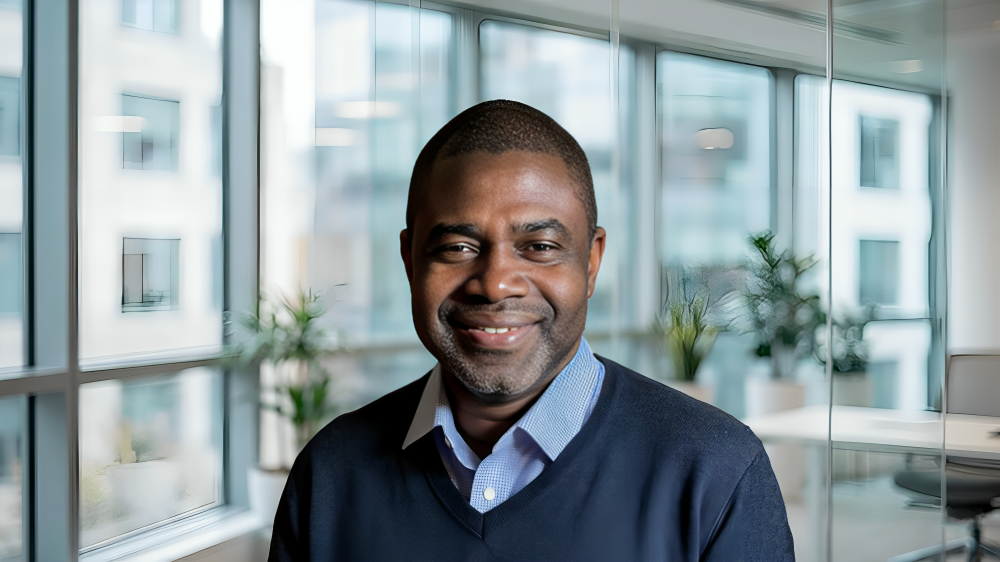
“Organizations creating lasting value are combining technology, optimized processes, skilled talent, and scalable operating models into an integrated ecosystem,” says Donovan Hawse, Chief Executive Officer and Co-founder of ACCIPRA. He believes the conversation should move beyond reducing costs and toward outsourcing done right. Real competitive advantage comes from bringing them together through intelligent delivery.
Moving Beyond Labor Arbitrage
The debate around intelligent delivery versus labor arbitrage reflects a broader shift in how organizations approach operational transformation. Traditional outsourcing often focused on labor replacement. Intelligent delivery, by contrast, focuses on redesigning work itself. Hawse believes businesses should stop asking how to optimize existing processes and instead ask, “How do we rebuild this for the modern era?” That mindset changes outsourcing from a procurement exercise into a business strategy.
For mid-market companies and growth-stage organizations, this means redesigning delivery models that can evolve alongside the business. Instead of relying solely on lower-cost labor, organizations gain access to global talent, AI-enabled workflows, consulting expertise, and governance within a single operating framework. “The best outcome really comes from all three of those things,” Hawse says. “It’s consulting, software, and outsourcing partnership.” When these capabilities operate together, companies create delivery models that are designed for resilience rather than simply efficiency.
Building Better Systems Instead of Bigger Teams
One of Hawse’s core beliefs is that scaling a business should not automatically require hiring more people. Sustainable growth comes from building better systems, not bigger teams. That philosophy is especially relevant as companies search for how to scale without adding headcount, while maintaining service quality and financial discipline. Intelligent delivery combines AI-augmented operations, redesigned workflows, and specialized expertise so teams can focus on higher-value work rather than repetitive processes.
“AI is transforming business operations and how business is done. But AI alone is not the answer.” Instead, organizations should embrace human-led AI, where technology accelerates execution, while experienced professionals provide judgment, governance, and strategic direction. The result is a more adaptable operating model that improves speed, quality, and decision-making without sacrificing accountability.
Where Finance Discipline Meets AI
Hawse’s perspective is shaped by more than 25 years leading finance, audit, and risk functions at enterprise scale. That background influences how he approaches enterprise operations, emphasizing that lasting transformation starts with operational discipline rather than technology alone. This is where finance discipline meets AI. Strong governance, well-designed processes, reliable data, and measurable outcomes create the foundation that allows automation to generate real value.
“The key ingredients are always necessary: people, process, technology, strategy,” Hawse says. “Those are never going to go away. It’s just a matter of how you adapt and integrate your strategy with technology and people and processes.” Organizations that successfully combine those elements create scalable systems capable of supporting growth while improving execution. Rather than treating AI as a standalone initiative, they embed it into operational design, allowing finance leaders to turn routine functions into engines of performance.
Turning Operations Into a Competitive Advantage
The future of outsourcing will belong to organizations that rethink their delivery models instead of simply relocating work. As talent shortages continue and operational demands increase, companies need integrated ecosystems that combine consulting expertise, technology, automation, governance, and global capabilities under a unified strategy.
Hawse believes every organization, regardless of size, should have access to world-class expertise without managing multiple disconnected vendors or building every capability internally. “The future will belong to organizations that embrace innovation while keeping people, process, technology, and governance aligned.” That philosophy captures the evolution of operational transformation. Rather than viewing outsourcing as a cost center, forward-looking businesses are turning operations into an engine of performance, creating intelligent operating models that support innovation, agility, and sustainable growth for years to come.