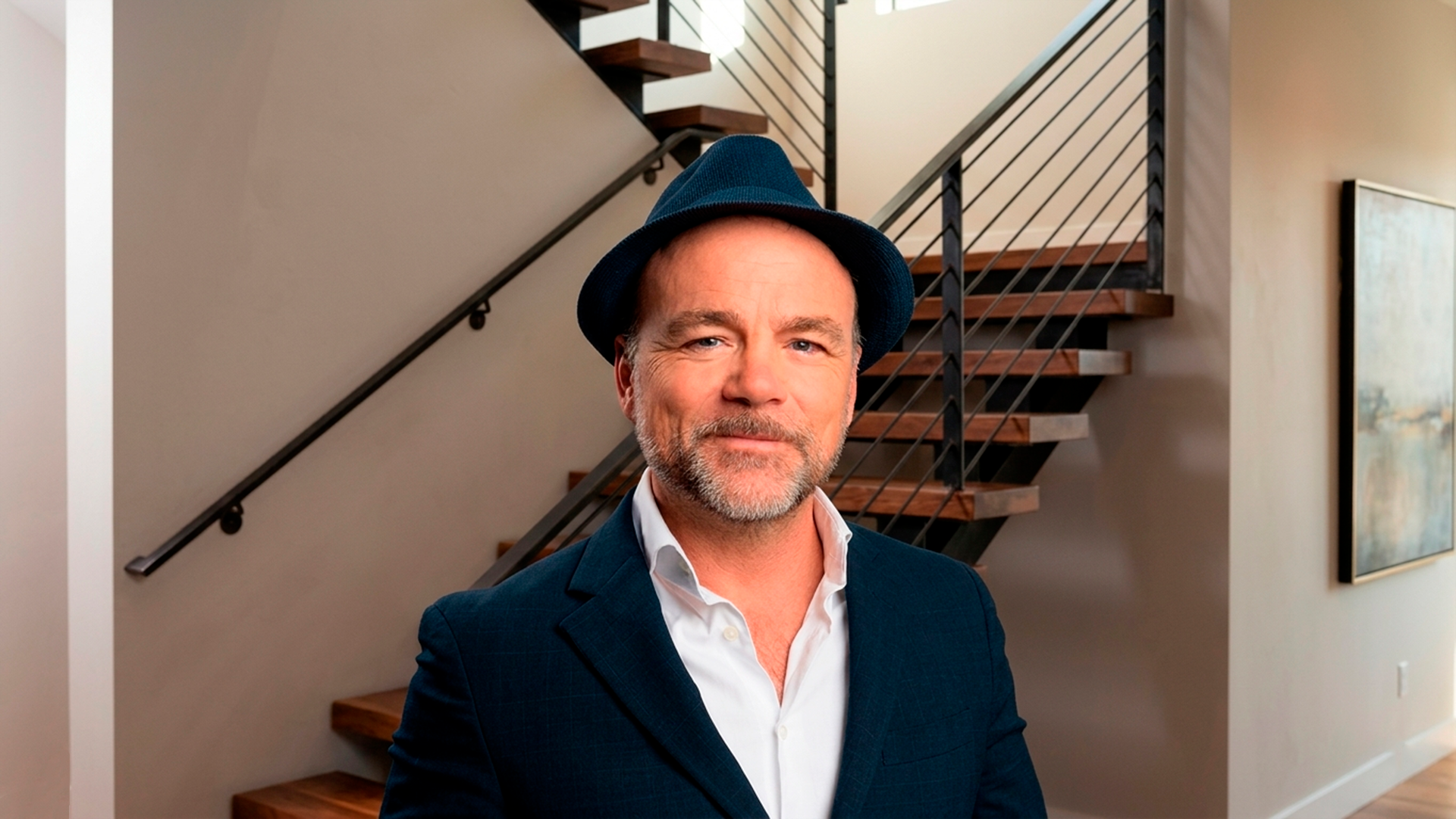

There is a medicine access problem emerging for millions of patients. More than 10,000 rare diseases have been identified worldwide, but only about 5% have an approved treatment. Millions of families are left navigating conditions that science may already understand, but healthcare systems remain unequipped to address at any sort of scale. For Casey McPherson, founder of AlphaRose Therapeutics and RareLabs, that gap became personal when his daughter Rose was diagnosed with a rare genetic disorder. Rose’s story and her journey have inspired the company’s creation and mission through his initial non-profit, To Cure A Rose Foundation.
“The technology existed,” McPherson says. “But there were no systems or business models to solve this problem at scale.” While advances in genetic therapeutics have accelerated scientific discovery, therapeutic development has struggled to keep pace for ultra-rare conditions that fall outside traditional pharmaceutical economics. Most genetic diseases are ultra rare. McPherson challenges the current model by building a patient-centric biotech business designed to industrialize the process, bridging the 95% treatment gap.
Working Outside The Traditional Business Model
The challenge is not necessarily scientific. In many cases, the underlying biology is understood, and potential treatment approaches already exist. The obstacle lies in translating those discoveries into sustainable and repeatable approved therapies. “Families are starting foundations and raising money selling cookies and hosting galas to save their children, even though the technology exists,” he says. “Why are we letting that happen?”
After observing that parent-led programs were frequently advancing therapies for a fraction of the cost and time incurred by traditional biotech companies, McPherson found that the larger issue was not scientific capability but economic and system structure failure. In many cases, families were reaching clinical trials for between $2 million and $5 million while biotech sponsored programs were costing 10x more, revealing a significant treatment access problem that leaves thousands of diseases stranded in development limbo.
Building Therapeutics for Unmet Needs Through a Patient-First Model
AlphaRose’s approach begins with patients, and builds repeatable technology around them. Instead of pursuing lengthy discovery programs, the company focuses on identifying diseases that can benefit from existing platform technologies, including antisense oligonucleotides (ASOs), gene therapies, repurposed drugs, and other genetic therapeutics. The goal is to accelerate rare disease treatment timelines by applying repeatable development processes across multiple disorders.
“We’re attacking genetic disease at the source and at scale,” McPherson says. “We’re going after the underlying cause of the disease, and start with the patients.” The company works directly with affected families, collecting biological samples in the comfort of their home, and building disease models from patient-derived cells while the treatment is being designed. Its AI platform, RINAE.AI, evaluates whether a genetic disorder is amenable to existing treatment technologies, and depending on the modality, can design the drug in minutes, reducing a process that previously took months.
This strategy has already produced ten proof-of-concept therapies across more than 20 genetic diseases. Some involve repurposed drugs that have delivered meaningful improvements for patients through off-label use. Others focus on ASOs, a modality McPherson describes as particularly promising for commercial scale, due to its safety profile, regulatory familiarity, and lower development costs.
Rethinking FDA Pathways and Clinical Development
Beyond scientific challenges, rare disease programs frequently encounter regulatory obstacles. Traditional clinical trial designs often struggle to accommodate ultra-rare disorders because patients with the same genetic diagnosis can present dramatically different symptoms. One individual may be unable to walk, while another can walk independently but lacks fine motor control. Conventional endpoints often fail to capture those differences. To address this challenge, AlphaRose is exploring new FDA pathways built around personalized data collection. The company creates what it calls digital twins of patients, establishing detailed baseline measurements through wearable devices, video monitoring, and real-world behavioral data.
“The idea that you could use the same endpoints for all patients in a single disease is often illogical,” McPherson says. By measuring changes against an individual’s own baseline, the company believes it can generate more meaningful efficacy data while shortening development timelines. Rather than waiting years for traditional trial outcomes, this model aims to identify treatment effects in real-world settings and support faster regulatory decisions.
Capital Strategies for Rare Therapeutics
The economics of rare disease development remain one of the sector’s most persistent challenges. Traditional drug programs can take 10 to 15 years to reach market and carry high failure rates, making investors cautious about ultra-rare conditions when looking through the lens of a traditional model. “This is the opportunity, ultra rare disease treatments are faster to develop, have less risk when using modalities like ASOs, and have incredibly high returns when commercialized, this is a win for patients and investors, but we have to be willing to think differently.” AlphaRose’s thesis is that lower development costs, faster timelines, and lower risk through earlier biological validation can transform ultra-rare therapies into a very attractive investment category, in a market that is relatively un-tapped. “Our model makes these assets look more like oil or real estate investing, than traditional biotech investing.” McPherson says. This approach aligns patient outcomes with investor incentives, replacing charity-driven funding models with a commercially sustainable pathway. AlphaRose operates as a public benefit corporation, reflecting McPherson’s belief that modern healthcare requires a lucrative business model tied directly to patient impact.
A Milestone That Could Redefine Drug Development
The company’s first major test will come with their first drug designed by RINAE, Rosisphersen, an ASO therapy, targeting Bane syndrome, the ultra-rare neurological condition affecting McPherson’s daughter. AlphaRose plans to advance the therapy into clinical trials in 2027. For McPherson, the significance extends far beyond a single treatment. Success would validate a repeatable model capable of developing therapies for tens, hundreds, or potentially thousands of genetic diseases. “If we don’t build a scalable model, it’s going to take us over 1,000 years to solve genetic disease at the current rate,” he says, underscoring the larger challenge facing healthcare systems worldwide. The question is now whether the industry is willing to adopt new infrastructure, funding models, and development pathways necessary to deliver those treatments to the millions of patients waiting for them.
Follow Casey McPherson on LinkedIn or visit AlphaRose Therapeutics for more insights.