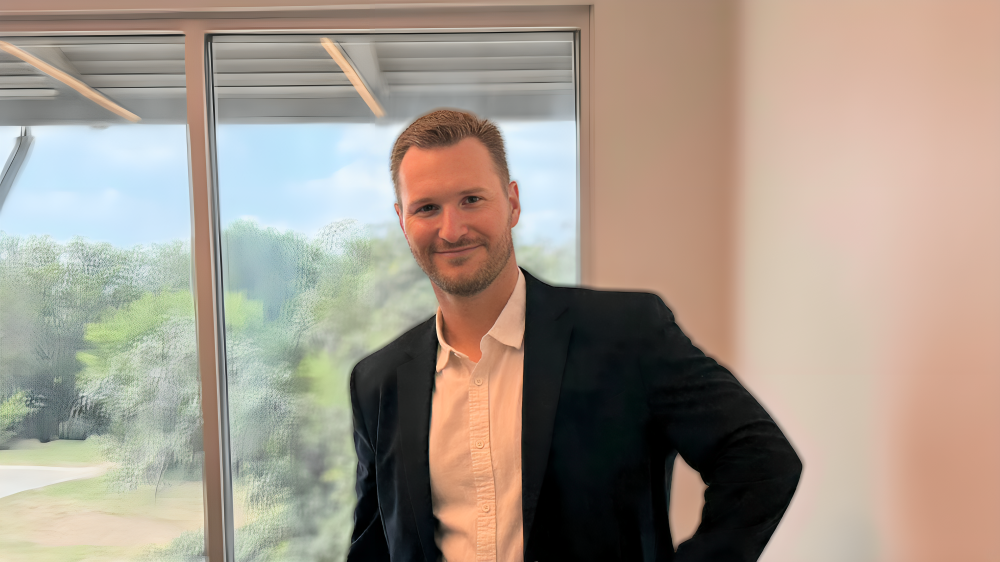

For Derek M. Ezell, what C-suite leaders get wrong about sales comes down to what they reward, and that informs a winning culture built on trust. “If leadership only celebrates revenue, the team will chase deals,” says Ezell, Co-Founder of Trailer Bash Events and Executive Vice President (EVP) of Sales at Whitefriar. “But if leadership celebrates discipline, customer impact, and accountability, the team builds a culture that wins repeatedly, over and over.”
Sales culture risks becoming synonymous with quotas and dashboards for those companies chasing aggressive growth targets. Ezell believes that approach misses the point entirely. “A winning sales culture is not just about hitting monthly, quarterly, or annual goals,” Ezell says. “It’s about creating a team that understands the mission, understands the product, trusts the process, and understands what the repeatable process is to then hit that number.” Below, Ezell breaks down the leadership principles, communication habits, and relationship-first strategies that define how to build a winning sales culture in a rapidly evolving market.
Recognition, Trust, and the Human Side of Sales Leadership
Teams focused only on closing numbers can develop short-term thinking, poor customer relationships, and burnout. By contrast, leaders who recognize consistency, preparation, and customer outcomes build winning teams capable of sustaining sales performance over time. “If you can reward the people that hit those goals, implement that repeatable process, and then celebrate those wins, that’s a great way of doing it,” Ezell says, who believes leaders must recognize the human realities behind every transaction. “There’s a million reasons why people won’t move forward,” he says. “Have understanding to the reality of how humans coexist and don’t just be so hungry for the revenue.”
Building Winning Teams Through Clarity and Accountability
How executives build high-performing sales teams often comes down to clarity.“ One of the first signs is that your job is very clear,” he explains. “People are very clear with what the product does.” When teams struggle to answer customer questions or rely too heavily on scripts, it usually signals weak training or poor alignment. In stronger environments, sellers openly share tactics, coach one another through objections, and continuously refine the sales process. “Healthy sales cultures don’t hide problems,” Ezell says. “They surface them early; they talk about how to solve them.”
That openness creates stronger team building and more resilient relationship selling, and reinforces one of Ezell’s core beliefs: coachability matters more than ego. “All of us can learn something from someone else,” he says. “Being flexible to the person you’re speaking with and becoming the person you need to be to make those deals and relationships happen.”
The 100-Mile Mindset Behind Consistent Sales Performance
“You can’t build a winning team on short bursts of motivation. Consistent momentum is what wins,” says Ezell. An avid runner, Ezell draws on lessons learned from endurance races, some stretching up to 100 miles, to shape his perspective on the kind of sales culture that drives revenue growth. “The 100-mile mindset is about patience, discipline, resilience, staying steady when things get hard,” he says, emphasizing that sales organizations, like endurance runners, operate in “emotional swings.” Teams surge with energy in the morning, slow down in the afternoon, and struggle when pipelines tighten or markets shift. Consistency, not intensity, separates high-performing teams.
During a 50-mile race, Ezell started with a fever of 102°F and considered quitting. Instead of focusing on the entire distance, he concentrated only on reaching the next checkpoint. “It’s easier to break it down in smaller bites,” he says. “Just take it one call at a time, one mile at a time.” The sales teams that endure are the ones capable of executing fundamentals consistently, adapting under pressure, and staying composed through uncertainty.
Turning Relationships Into Revenue in the AI Era
As AI tools reshape sales workflows, Ezell sees both opportunity and risk. While automation can improve research, follow-up, and workflow efficiency, he warns against removing the human element from sales. “People connect with people,” he says. “Leaders should view AI as a force multiplier, not a replacement for that connection.” For Ezell, the future of sales culture lies in value-led selling. Buyers are more informed than ever, which means generic outreach and pressure tactics no longer work. Winning teams research customers thoroughly, anticipate needs, and position themselves as partners rather than vendors. Strong teams are built through trust, consistency, accountability, and genuine communication. Leaders who prioritize those fundamentals create organizations capable of turning relationships into revenue over the long term.
For more insights on building winning sales cultures, leading high-performing teams through accountability and trust, and turning customer relationships into long-term revenue growth, follow him on Derek Ezell’s website, Trailer Bash Event’s webpage, Whitefriar, or on LinkedIn.