
Every founder wants growth but not many stop to ask whether their business is actually built to support it. For many early-stage companies, scaling is treated as the next milestone, something that naturally follows product-market fit, but growth has a habit of exposing weaknesses that were manageable at a smaller size. Processes break, decision-making slows, cash flow comes under pressure, and founders become bottlenecks instead of catalysts.
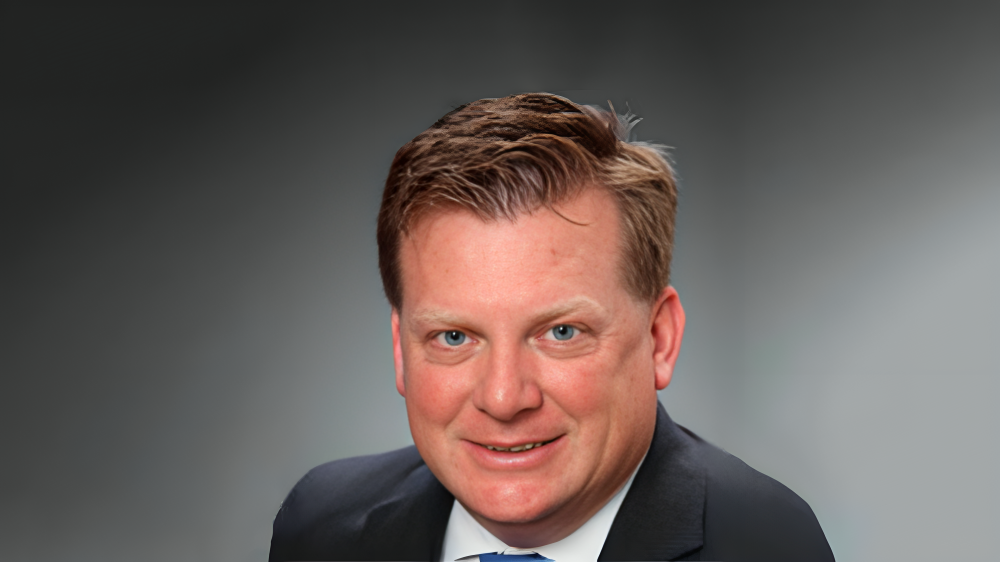
“Wanting to grow is fantastic. That gets you to the 50-yard line. The other, maybe tougher part of that, is being prepared to grow,” says Cliff Carnes, Principal at BCC Group, LLC. For him, the difference between companies that scale successfully and those that struggle often comes down to preparation.
Growth Requires Infrastructure Before Revenue
One of the biggest misconceptions among founders is that operational investment should follow growth. Carnes says that businesses must build the foundation first, even when the financial return is not yet visible. Waiting until growth has already arrived often forces companies into reactive hiring and rushed decision-making that creates more problems than it solves.
“You have to have the infrastructure or the processes and the right people in the right places to facilitate that growth,” Carnes says. “You’ve got to be able to grow into your resources, not have your resources grow into you.” This approach requires discipline, because it asks founders to spend money before they see the payoff. Companies that delay these investments frequently discover that rapid growth magnifies inefficiencies faster than revenue can compensate for them.
Founders Must Stop Doing Everything
As businesses expand, the founder’s role inevitably changes. Skills that helped launch the company are not always the ones that sustain its next stage. Many founders are exceptional at creating products, winning customers, or identifying market opportunities. The mistake is assuming they should continue managing every operational function as the organization grows.
“If they are the guy who is best at swinging that hammer and bringing in the revenue and talking to clients, that’s what they need to focus on,” Carnes says. Finance, HR, marketing, and IT should increasingly be owned by specialists who allow the founder to spend time where they create the greatest value.
Every hour a founder spends on work that someone else could perform is an hour taken away from customers, strategy, or innovation. “The one thing that founders and everybody else don’t have enough of is time,” Carnes says. “Spend it the best way possible.”
Sustainable Profit Comes From Planning, Not Quick Wins
Operational improvements are often expected to produce immediate financial results. Carnes believes that expectation misses the point. Few meaningful operational changes increase profit overnight, because they require investment in people, systems, and planning. Their value appears over time through greater efficiency, stronger margins, and reduced waste.
“What they will do is in the long term get you to that place where you have maximum profits without a lot of waste in resources, time, and finances,” he says. The same thinking applies to revenue quality. Investors increasingly look beyond headline growth to understand whether earnings are sustainable. A single standout quarter may generate excitement, but consistency creates confidence.
“Investors hate spikes, especially spikes on the way down,” Carnes says. “They want to see a good, steady trajectory.” Leaders should ask how revenue can become recurring. Whether that means strengthening client retention, expanding existing relationships, or finding customers with similar profiles, the objective is to build predictable earnings that compound over time. “Have a plan. It’s not just hire. Have a plan, then hire.”
Trust Is the Operational Skill That Unlocks Scale
The hardest adjustment for many founders is learning to let go. Founders often reach their position because they have been willing to do everything themselves. That mindset becomes increasingly limiting as the organization grows, making delegation one of the most important leadership skills to develop.
Carnes believes trust sits at the center of that transition. Building the right team is only the first step. Founders must also give those people the authority to succeed. “Listen to them,” he says. “You don’t always have to agree with them, but you should listen to them all the time.” This requires a fundamental shift in identity. Instead of being the person who solves every problem, founders become the people who create an environment where others can solve them well.
“I think almost every founder knows what they need to do,” Carnes says. “The hard part is executing on that. It’s the giving up.
Scaling, then, is less about growing faster than competitors and more about building an organization that can sustain growth long after the founder stops being involved in every decision. The companies that achieve that balance are often the ones best positioned to grow with confidence rather than simply ambition.