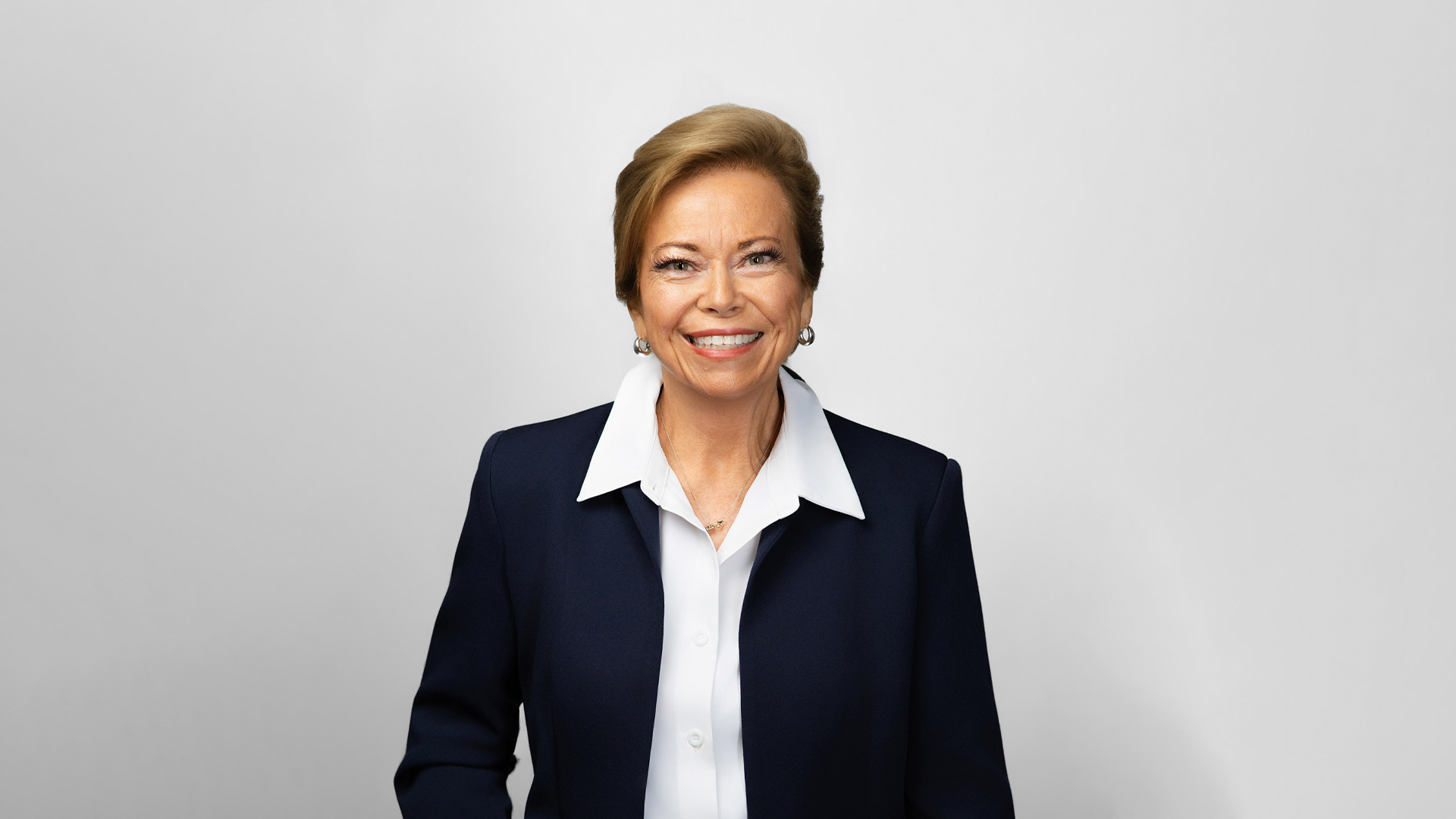

Business transformation is often portrayed as a race toward stability, but Vanda Davis, Chief of Staff to the Chief Executive Officer at GlobalLogic, argues that the goal is not to eliminate disruption. It is to build organizations that can continuously adapt to it. Having led transformation initiatives ranging from billion-dollar IT services transformation programs to complex mergers and acquisitions (M&A), Davis believes lasting success comes from creating operating models that anticipate change instead of simply reacting to it.
“You’ve got to figure out the source of the chaos,” she says, “and get your arms around it while putting in a plan.” That plan, however, should not automatically become a sweeping transformation initiative. More often than leaders expect, restoring order begins with solving the right problem rather than the biggest one. To do this effectively, leaders need to rethink not only processes, but also how decisions are made across organizations to enable real ongoing transformation.
Diagnose Before You Transform
Large-scale transformations have their place during major market and business model shifts, but a formal transformation program is not always required. Davis has seen firsthand that organizational chaos can stem from leadership changes, technology advances, or operational breakdowns, each demanding a different response. Sometimes, introducing a stronger leadership operating model is enough to restore stability. “I think it’s best to start simple.” Before investing in enterprise-wide change, organizations need clarity on what is actually driving instability. By resisting the temptation to overreact, leaders can build momentum, while avoiding unnecessary complexity.
Executive Alignment Wins in Business Transformations
Davis’s experience leading the M&A integration of 800 employees and an entirely new product strategy in just six months demonstrates that successful execution depends less on speed than on alignment. The merger, which ultimately contributed to a $150 million initial public offering (IPO) at a $2 billion valuation, succeeded because executive leadership treated the integration as the organization’s highest priority.
“The executive leadership from both teams was 100% focused,” Davis says. “The chief executive officer from both companies made it clear this was our number one priority.” Equally important was sequencing decisions. Rather than attempting to solve everything simultaneously, leadership prioritized the most critical actions first, allowing later decisions to become faster and more effective. Whether improving revenue strategy, driving post-merger integration, or preparing for IPO readiness, execution alignment matters more than ambitious planning alone.
Ongoing Stability Is Built Through Continuous Transformation
For Davis, organizations never truly reach a permanent state of order. Markets evolve, customer expectations shift, and new risks constantly emerge. The companies that thrive are those that embed transformation into everyday decision-making rather than treating it as a one-time initiative. “If you’re constantly paying attention to what needs to be transformed, that is how you become a truly successful organization,” she says.
Rather than viewing disruption as a setback, Davis encourages leaders to see it as an opportunity to evolve. Durable organizations are built through operational discipline, continuous learning, and leadership teams that routinely step back from day-to-day operations to assess emerging risks before they become crises. “It’s not an endgame. It’s a process.”
Follow Vanda Davis on LinkedIn for more insights.