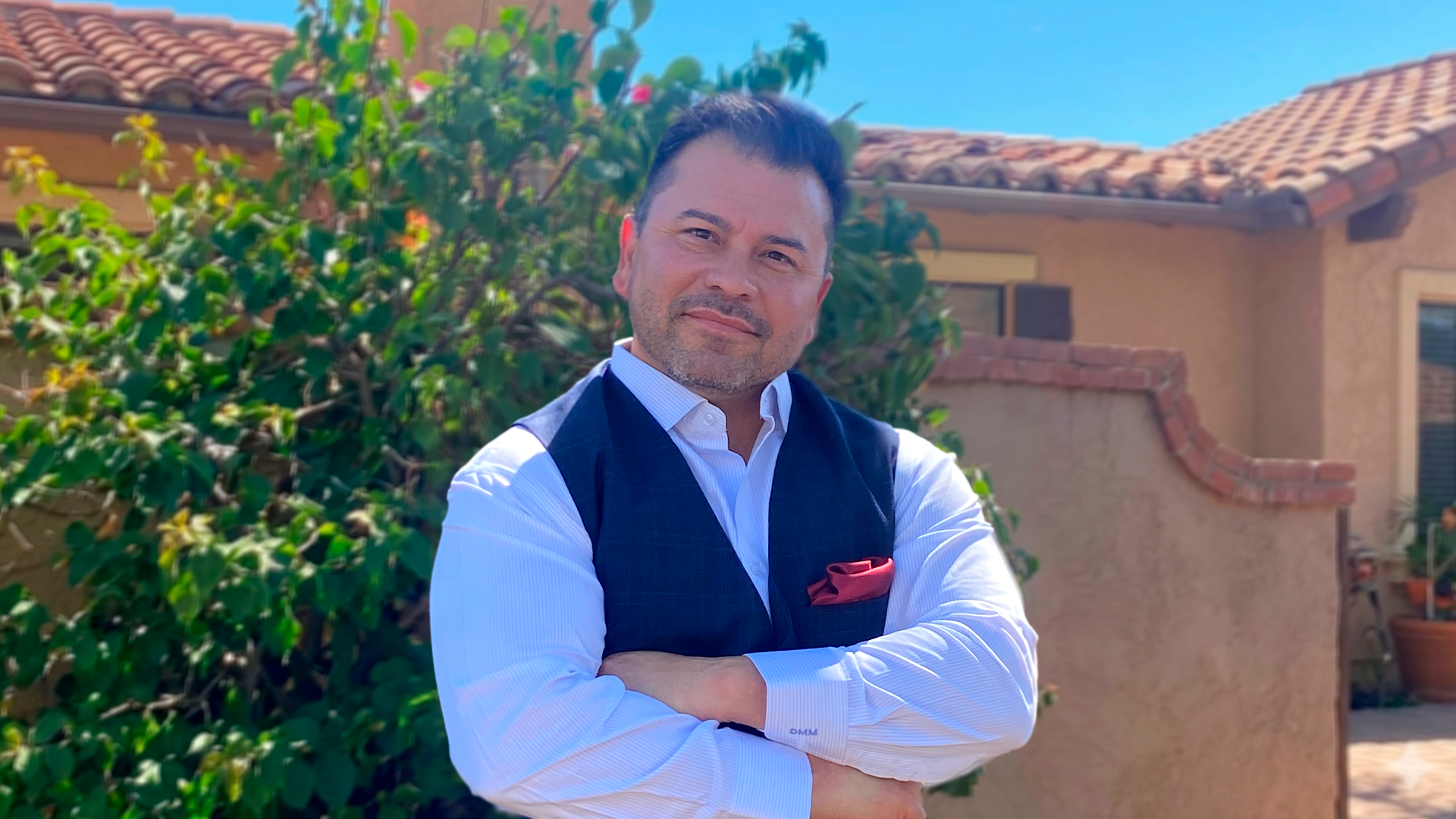

Retirement income specialist David Michael Mares says most people treat their tax bill as a verdict, when it is closer to a decision they declined to make. “A portfolio tells me how well you’ve saved,” he says. “It doesn’t tell me how well you’re prepared to live.” Mares, President and Founder of Socius Wealth Management, watches people arrive proud of a number they spent decades building, having spent almost none of that time learning to turn it into income. That conversion is the missing layer in their plan, and its most expensive omission is tax.
Build Around the Number That Buys Groceries
The question Mares hears most is: “How much does someone need to retire?” He replaces it with a sharper one: “How much do you want landing in your checking account every month, after taxes?” That number is the foundation, not the portfolio balance, which pays for nothing on its own. “Your portfolio doesn’t buy groceries,” he says. Once the real monthly figure is known, the questions that matter fall into order:
• “Where the income comes from?”
• “How to stop overpaying tax?”
• “How to hold it steady in any market?”
Retirement, by his measure, is not the size of the nest egg. It is the confidence that the deposit will arrive next month and the one after that.
Preparation Is Not Planning
Clients reassure Mares that their certified public accountant (CPA) has the taxes handled. They usually do, he says, and that is the ceiling. Preparation and planning are different jobs pointed in opposite directions. A CPA records what already happened and keeps a client compliant with this year’s law, which is the work they were hired for. Retirement planning asks: “What move made today lowers the tax owed over the next 30 years?” Those chances surface long before any return exists, which is why Mares works alongside a client’s CPA rather than around them, on future exposure, conversion timing, and more efficient income. A return looks back at one year. A plan looks forward across a lifetime of them.
The Window Most Retirees Let Close
The greatest tax advantage a retiree has is a matter of timing, and it does not last. After retirement but before required distributions begin, a person often controls their taxable income more completely than at any other point in their life. That is the moment to weigh a Roth conversion, judged against 30 years rather than one April. Mares puts the choice bluntly. If you could pay taxes on your terms instead of the government’s, would you not at least look? Sometimes the answer is yes and other times it is no. The point is not to force the move, but to notice the window while it is open. The window will close on schedule whether or not anyone stepped through it, and a retiree who missed it will never know what it cost.
Flexibility Beats Prediction
Retirees who lose no sleep over future tax hikes share one trait, and it is not clairvoyance. They stopped trying to forecast the future and built a retirement that survives several versions of it. Rather than leaning on a single account or income stream, they made options for themselves, knowing where to draw, when to adjust, and how to respond to changes in the law or the market. That is exactly the difference between reacting and planning.
“Hope is not a retirement strategy,” he says. “Flexibility is.” Nobody controls what Congress does next. A retiree controls only how ready they are when it does, and readiness turns a strong portfolio into an income worth trusting. To learn more, connect with David Michael Mares on LinkedIn.