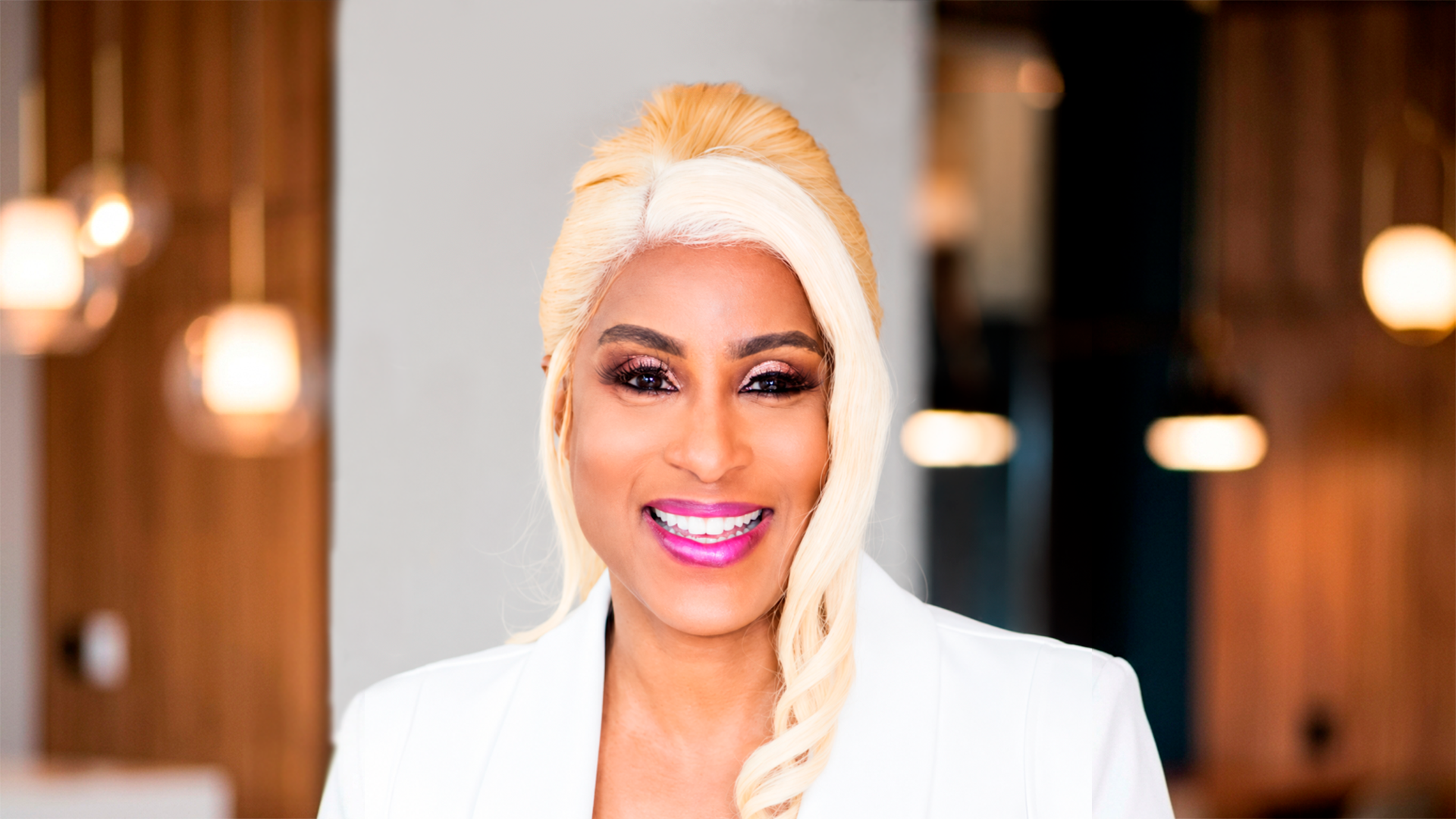

Executives spend extraordinary effort on who sits at the table but little on how those people think. The assumption underlying most boardrooms is that competent professionals looking at the same numbers will arrive at roughly the same conclusion, and that when they do not, somebody is being difficult. Dr. Veronica Anderson, an eye surgeon turned advisor to senior leaders, argues the opposite: identical data produces different decisions because every person at the table is running it through wiring installed long before they ever read a balance sheet. That gap between what leaders believe about their own rationality and what is truly driving their choices is where expensive mistakes live, and it is infrequently diagnosed as the cause.
Why Competent Teams Still Misread Each Other
The mechanics are simple enough to state and hard to accept. “How you make a decision is going to be very different than how someone else makes a decision even when you’re looking at the same data,” Anderson says. Two words do most of the damage in executive settings. The first is common sense. “As my mother always says, common sense isn’t so common,” she notes. “What everyone thinks is common sense has been wired into their brain by their family, their culture, where they grew up.” The second is culture. When a leader says a candidate fits or does not fit, Anderson’s read is blunt: “What people usually mean when they say they fit the culture, or they don’t fit the culture, is they think like me. They’re like me. They agree with me.”
Few chief executive officers (CEOs) get this right because nobody taught them to. Business education covers strategy, finance and operations, not the architecture of how a colleague arrives at a conclusion. So leaders fall back on a default assumption of shared sense, and when it breaks down, they reach for the nearest available explanation, which is often that someone underperformed. “That’s where mistakes get made and fingers start pointing,” Anderson says. The cost compounds quietly. Without recognizing these patterns, leaders may attribute recurring difficulties to personality clashes rather than differences in how people approach decisions.
What An Operating Room Teaches About Delegation
Anderson’s clinical background shapes how she reads executive behavior, and the surgical parallel is more instructive than it first appears. A surgeon makes consequential calls under time pressure without the luxury of deferring them. “You understand whatever decision you make is going to have consequences,” she says. “But you don’t get paralyzed in the process of making the decision. You cannot do it.” At the same time, the surgeon is managing climate control, anesthesia, instruments, and multiple nursing roles at once. “It’s like you’re the conductor of the orchestra, but yet all those things are delegated and you trust that everybody else knows what their job is. So there is no micromanaging when it comes to being a surgeon.”
That trust is not temperament. It rests entirely on who was selected for the room, which is where Anderson says most hiring falls short. She points to the conative mind, the part of the mind governing natural instinct for taking action, distinct from thinking and feeling. Leave it out of the selection process, and you risk overlooking something fundamental. “People will hire people; they’ll say, ‘ Why is this not working?’ or they won’t understand it’s not working,” she says. “There’s a piece of knowledge that they’re missing: there’s another part of the mind controlling some of it.” Anderson references the Kolbe A Index, developed by Kathy Kolbe, which measures individuals’ instinctive approaches to taking action. She sees it as one way to build teams with complementary strengths rather than duplicating the same approach.
The Blind Spot Argument, And Why AI Does Not Close It
Her central image comes from ophthalmology. Every human eye contains an absolute blind spot at the optic nerve, a region with no light-sensing cells at all. “The rest of your brain fills it in. So you’re not aware of it,” Anderson says. The point is not metaphorical convenience. It is that the mechanism actively conceals its own existence, which is precisely how leadership blind spots behave. “The only way that you fill in this blind spot is by other people entering and pointing out that you have a blind spot, and then filling in what you don’t know.” Her prescription is a deliberate human infrastructure: peers inside and outside the industry carrying comparable weight, paid advisors across multiple domains, and guides who ask questions rather than issue answers. Paid matters. “When you’re getting free advice, people are just saying whatever they like,” she says. A professional with a client relationship focuses differently.
For the C-suite, this highlights the importance of making personal development an ongoing priority, particularly when it comes to understanding how individual perspectives shape relationships and decisions. Anderson argues that the foundations of how people interpret information and make decisions are formed in early childhood. Even how a leader interprets financial data, she suggests, can be traced back to patterns established before the age of seven.
AI can help leaders analyse information, test assumptions, and consider different perspectives, but it does not resolve the individual blind spots through which information is interpreted. If a leader is unaware of the assumptions shaping their judgment, they may not know what to ask AI to challenge their point of view. Anderson argues that closing those gaps requires self-awareness and input from others, not simply access to more information.
Follow Dr. Veronica Anderson on LinkedIn for more insights on decision-making, leadership self-awareness, and building high-performing executive teams.