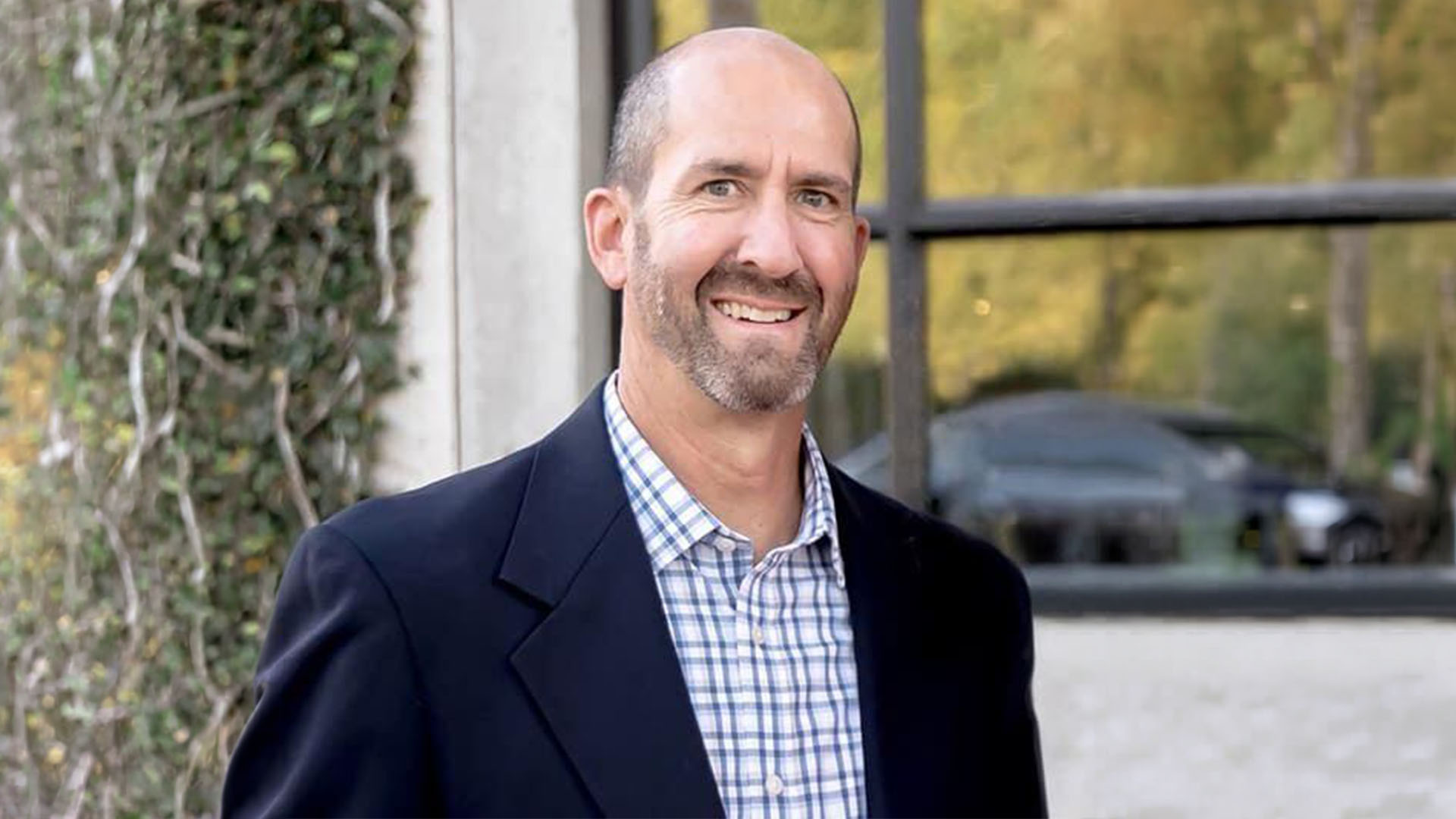

Financial pressure, workforce strain, changing reimbursement models, and rising patient expectations arrive simultaneously, forcing healthcare leaders to make difficult choices about where to focus first. For Tim Kielpinski, Chief Executive Officer (CEO) of Catalina Island Health, the answer to this challenge begins with clarity of purpose.
“We need to reorient the team. We have limited resources, so we have to decide what is most important to us,” says Kielpinski, who leads a remote island health system on the Californian island of Catalina. By placing healthcare leadership, operational excellence, and community trust at the center of every decision, Kielpinski has shown that sustainable progress comes from strengthening the foundations that support high quality care in a remote community.
Building Stability Before Growth
Catalina Island Health serves a community where patients requiring advanced care often must travel across the channel, making reliable local services critical. At the same time, financial sustainability is essential to keeping those services available.
When Kielpinski stepped into the CEO role, the organization had only six days of cash on hand. Today, that figure has increased dramatically through disciplined operational improvements, strategic partnerships, and a renewed organizational focus.
“We’ve got these 90-day chunks that everybody is working across our six pillars,” Kielpinski shares. “The overarching goals are sustainability, improving our community’s trust in the organization, and improving healthcare outcomes for our patients.”
Those quarterly priorities are reinforced through weekly leadership meetings focused on accountability. Department leaders review progress, identify obstacles, and align around shared objectives, creating a culture where continuous process improvement becomes part of daily operations rather than an annual planning exercise.
Empowering Teams to Drive Quality Care
While financial recovery required decisive action, Kielpinski believes culture determines whether operational improvements endure. His approach centers on empowering teams to make decisions within a clearly defined strategic framework instead of relying on constant executive oversight.
“Trust is a two-way street,” he says. “I’m trusting until you prove otherwise. I’m giving you all the trust you need and all the latitude you need in order to make decisions yourself.” This model of team empowerment reflects a broader philosophy of healthcare leadership. Leaders establish direction, communicate the organization’s intent, and remove unnecessary barriers so employees closest to patient care can solve problems quickly.
Recognition also plays an important role in reinforcing that culture. When employees successfully improve outcomes or solve operational challenges, their achievements become visible examples for the rest of the organization. Momentum builds as success becomes repeatable rather than exceptional.
As Catalina Island Health expanded its swing bed program to keep more recovering patients close to home, he spent weeks making daily rounds alongside clinical teams. “I felt like this was the most important thing going on in the hospital,” he says. “I would go on rounds every day.”
Excellence Before Expansion
Healthcare organizations often feel pressure to introduce new services quickly. Kielpinski argues that expanding care delivery without strengthening core operations can create long-term instability. Catalina Island Health identified opportunities to introduce services such as dialysis, infusion therapy, and wound care, reducing the need for patients to leave the island for treatment. “Let’s be excellent at the things that we’ve already got on our plate,” Kielpinski says. “Then we’ll start to add things on.”
It underscores the importance of streamlining operations in small health systems before pursuing innovation. Revenue cycle management, reimbursement processes, and operational consistency all needed improvement before new service lines could become financially sustainable. The result is a disciplined approach to innovation where operational excellence creates the conditions for future growth instead of competing with it.
Innovation That Supports People, Not Replaces Them
Technology also plays an important role in relieving pressure across rural health organizations, but Kielpinski sees innovation as a tool for strengthening care rather than replacing human expertise. Catalina Island Health already uses AI-powered voice transcription to reduce physician documentation time, allowing clinicians to spend more time focused on patients. The organization is also developing AI-assisted reimbursement workflows that analyze payer contracts, identify underpayments, and generate evidence-based claim resubmissions.
“We’re really close to launching our first batch of AI-generated resubmissions,” Kielpinski says. “They pull exact phrases from the contract and use the doctor’s notes to defend the reimbursement that we should be getting.” These initiatives demonstrate how healthcare organizations can foster innovation in community health, while improving operational efficiency behind the scenes.
Trust Extends Beyond Hospital Walls
Building trust in healthcare organizations reaches beyond patients and employees. Relationships with local officials, county leaders, and policymakers have become equally important to Catalina Island Health’s long-term resilience. Years of proactive engagement helped position the hospital as an essential part of Los Angeles County’s emergency care infrastructure, resulting in critical funding opportunities that strengthened the organization’s financial outlook.
“Good on you to actually come find somebody that could help and tell them you’ve got a problem,” Kielpinski recalls being told during one pivotal conversation. That willingness to seek collaboration before reaching crisis proved instrumental in preserving island healthcare for the community.
Ultimately, balancing operational excellence with innovation is less about choosing one priority over another than creating an organization where people trust the mission, understand the strategy, and have the confidence to contribute. For healthcare leaders navigating increasing system strain, that may be the most sustainable advantage of all.
Follow Tim Kielpinski on LinkedIn for more insights.