
The fastest way to destroy the value of a fractional executive is to call them a consultant. The label sounds harmless, even accurate, but it strips away the one thing that makes the model work. A consultant hands over ideas and walks away. A fractional leader sits in the chair, owns the number, and is accountable for whether it gets hit. The distinction determines whether the person you brought in can actually move the business or is reduced to an expensive advisor whose recommendations land back in the founder’s lap.
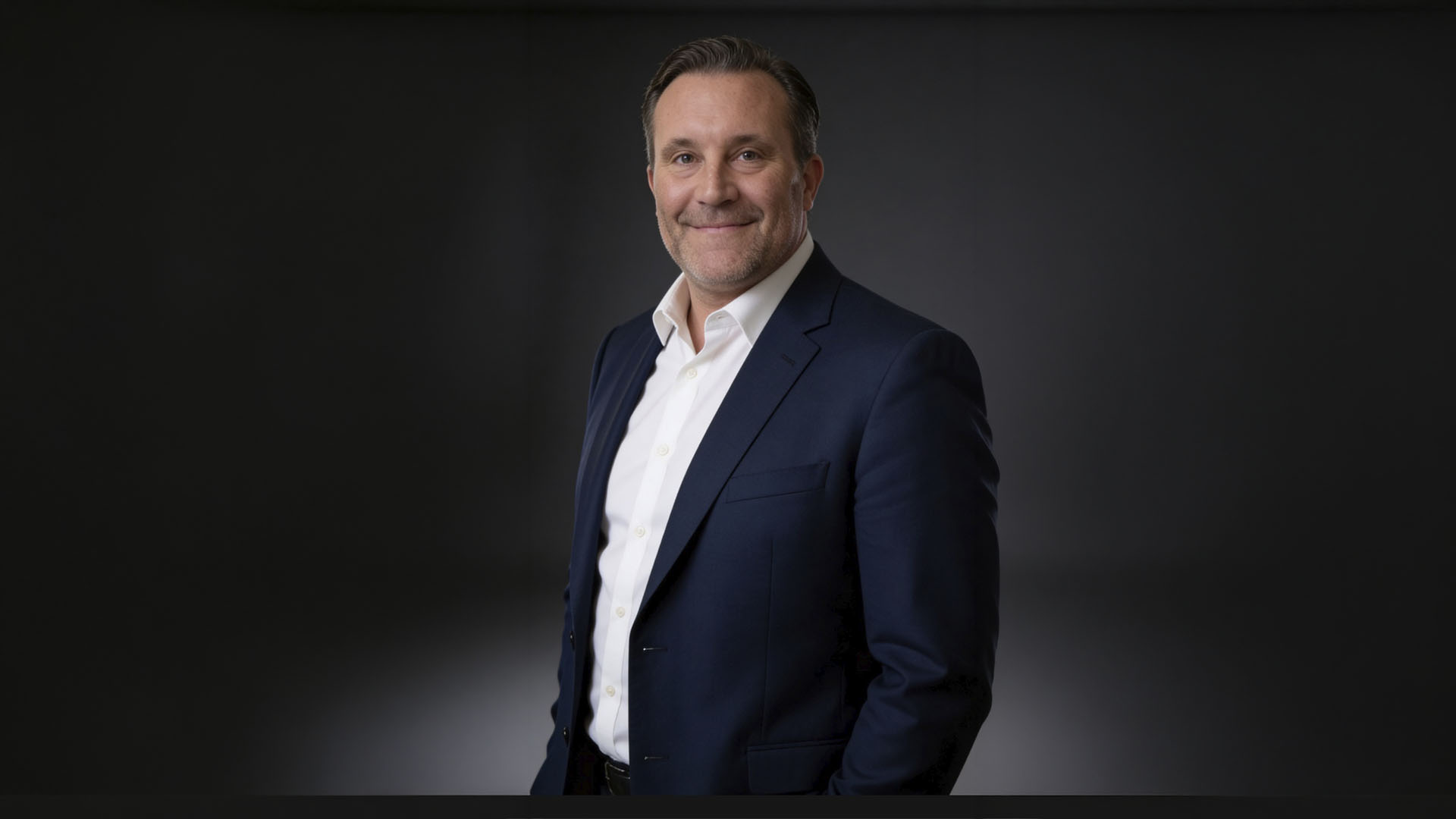
Jason Slattum, Fractional Chief Revenue Officer (CRO) and Co-Founder of SLATT Consulting, draws the line in his very first conversation with a client. “If you view me as a consultant,” he states, “then this is not going to work. You are handicapping me right from the start.” That insistence is a precise understanding of where impact comes from in a growing company, and why the most valuable hire a scaling business can make is often the one that does not look like a hire at all.
Accountability Is the Entire Point
The market is crowded with people who will sell a growing company a strategy. Sales coaches, revenue advisors, consultants of every stripe, all capable of producing a sharp go-to-market (GTM) plan. The problem is what happens after the plan is delivered. Responsibility for executing it returns to the founder or the leadership team, the exact people who were already too stretched to build it themselves. The strategy is sound and nothing changes, because advice without ownership is just a more expensive version of the problem.
The fractional leader owns the pipeline, the forecast, the process, and the results, held to the number the same way any full-time executive would be. “Technically, I am a 1099,” Slattum notes, “but if you are holding me accountable just like any other employee, that is the point. With a consultant, you cannot do that.” This is why the employee framing matters so much to him. Introduced to the executive team as the fractional CRO, the leader carries the weight to make decisions stick. Introduced as a consultant, they carry none. Same person, same expertise, entirely different outcome, decided by a single word in the introduction.
The Math That Most Founders Get Backward
The instinct when a company cannot afford a senior executive is to wait until it can. Slattum considers that a misread of both the cost and the value. A growing business can access a leader who scaled revenue at a Fortune 100 company for roughly 25% to 30% of a full-time cost while capturing 70% to 80% of the impact. The reason the math works is that the value of a senior operator was never in the hours. It is in the experience and judgment, and neither gets diluted by being delivered part-time.
The talent making this possible is a structural shift most companies have not fully registered. An enormous population of leaders in their 50s and 60s, many with careers at Google and other major firms, is stepping back from full-time work while remaining sharp and eager to contribute.
They do not want to retire, and they do not want a 40-hour work week, which creates a deep reservoir of elite expertise available on exactly the terms a growing company needs. AI has sharpened the economics further. Where a fractional CRO once had to bring in a full revenue operations team to handle the data analysis behind a GTM build, the right AI tools now let a single fractional leader perform that analysis independently, reducing costs and accelerating the work.
Fractional Means Part-Time for a Limited Time
What separates fractional leadership from a glorified part-time arrangement is the off-ramp. Without a defined endpoint, a fractional engagement is just a part-time employee who could stay for five years, which defeats the entire purpose. Slattum builds every engagement around a 90-day minimum with explicit goals and a transition ramp, a structured plan for handing the operation off once it is running. “Part-time for a limited time,” as he puts it. “That is the clarification.”
That off-ramp takes two shapes. Sometimes the business is broken, and the job is to diagnose the failure, rebuild the GTM engine, and hand a working operation to a permanent hire. Slattum took one engagement at a $125 million company that had missed its plan for two years running. The mandate was to turn the jalopy back into a Ferrari, then hand over the keys. Other times, the business is not broken but unbuilt, a pre-revenue company that cannot justify a $500,000 executive, and the fractional leader lays the entire foundation before stepping aside for a hire scaled to where the company actually is.
Underneath all of it runs the argument that Slattum is turning into a book called The Growth Stall. A founder-led company hits a ceiling because the founder is personally closing every deal, and no amount of talent can scale that. The eventual buyer sees it instantly. Revenue that lives or dies with the founder is revenue that a private equity acquirer marks down, because the only question that matters is how it grows once the founder steps out. A sales engine that runs without you is what defends the valuation when the check is being written. The smartest hire a growing company can make is the one who builds the machine and then, on purpose, hands over the keys.
Follow Jason Slattum on LinkedIn or visit SLATT Consulting for more insights on fractional leadership, GTM strategy, and building the revenue infrastructure that lets a company scale beyond its founder.

