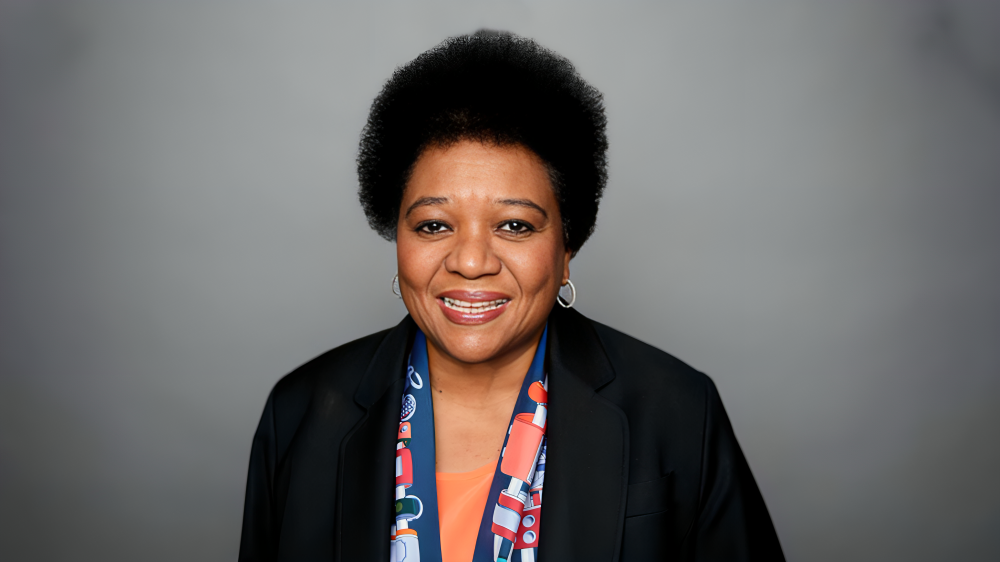

Ask almost any early-career professional about their professional goals, and finding a mentor usually tops the list. Yet across five decades spanning corporate suites, private law practice, and city government, Charisse Ranielle Lillie has noticed that few people ask the harder question of what makes them worth someone else’s limited time. In her book, Upon a Turning Stage: Life Lessons of a Mentee, Mentor, and Ally, the former Philadelphia City Solicitor and corporate executive examines how these relationships really function behind closed doors. Her conclusion is direct: mentorship is never an entitlement, but a working relationship earned through preparation, baseline competence, and persistence.
Coming To The Table With A Plan
Securing time on an executive schedule is difficult, but walking into the room without a clear plan is where most junior staff lose their opportunity. When Lillie sits down with potential mentees, she looks for immediate proof that the person respects the conversation. “When I mentor someone, I assess almost immediately: Is this person hardworking? Are they committed to their work? Do they have a plan?” she says. In her experience, candidates do not need an unchangeable blueprint, but they must show they have thought seriously about where they want to head over the next three to five years.
Early in her legal career, Lillie aimed to become a federal judge, a goal that led her to join bar association committees and take on public service roles. While her path eventually moved toward corporate leadership and municipal government rather than the bench, that early clarity gave senior colleagues a practical way to help her. Still, she cautions that external networking cannot compensate for poor daily execution in your main job. “You have to work hard at your day job,” Lillie explains. “You’re going to have to first distinguish yourself on your day job if you’re going to have any kind of success in terms of promotions and additional opportunities.”
Keeping The Connection Alive
A common mistake among junior professionals is treating a senior adviser like an on-demand answering service. For Lillie, long-term support only lasts when the mentee approaches the connection as a genuine human relationship rather than a one-way transaction. “The relationship between a mentor and a mentee is not simply a mentee going to a mentor to get words from on high,” she points out. “It also means forging a real human relationship with that mentor.” That means taking the time to understand the person across the table instead of only asking for career favors.
Throughout her career, Lillie kept in touch with former judges and senior partners through simple handwritten holiday and birthday cards. Years later, after one of her early judicial mentors passed away in his eighties, his family mailed Lillie a package of articles and old notes the judge had quietly saved about her work over several decades. In a modern office, junior staff can maintain that connection by sending short email updates on their projects or sharing relevant news. “It has to be a two-way street,” Lillie says. “It is not just the mentor giving to the mentee. It is the mentee also giving back something, and that means you have to take a little time to understand the mentor.”
Handling The Hybrid Barrier
Remote work and split office schedules have made informal hallway conversations much harder to come by. Because of that distance, reaching out cold to ask for formal mentorship usually leads to a quick refusal. “It’s not a good idea to ask somebody to be your mentor, because you’re asking for a ‘no’ if that person hasn’t noticed you yet,” Lillie notes. A more practical approach is asking for a focused 10- or 15-minute conversation with a clear question and a concise summary of your background.
When a senior leader agrees to talk, adapting to their calendar is essential. If an executive offers an early-morning slot at eight or an evening check-in after hours, the mentee needs to take it without hesitation. When leaders say no, Lillie tells professionals not to take it personally, given how heavy corporate travel and management duties can be. In those cases, looking at peer networks or local leadership programs can open alternate doors. When her early government employer could not fund outside training, Lillie worked out a personal monthly payment plan to attend a regional leadership program, building a network of peers who later became long-term clients and advocates.
How Sponsorship Patterns Shift
While mentorship focuses on private advice, sponsorship happens when an executive puts their own reputation on the line to recommend someone for open roles, board seats, or promotions. Early-career sponsorship has historically leaned toward men, but Lillie sees the balance shifting as more women step into senior leadership roles across industries. She also notices a change among male executives whose daughters are now entering competitive fields. As these leaders watch the hurdles their daughters face, many develop a clearer focus on supporting diverse talent inside their own organizations.
At the same time, senior women are increasingly mentoring male colleagues, creating a broader impact on corporate culture. “Women lawyers and businesspeople who are mentoring men in their workplace are also going to have a big impact on how these male leaders lead as they go forward in their careers,” Lillie says. Having mentored both men and women throughout her career, she views these interactions as a way to reshape how leaders communicate across teams. Real sponsorship takes years to build, but it begins with the daily habit of showing up prepared and delivering on commitments.
Follow Charisse Ranielle Lillie on LinkedIn for more insights on mentorship, career development, and leadership advocacy.