
Remote work does not weaken company culture by default. A lack of intentional leadership does.
When employees are distributed across locations, the informal interactions that once held teams together begin to disappear. Managers have fewer opportunities to notice disengagement, communication becomes more likely to be misinterpreted, and departments can gradually lose sight of the company’s broader direction.
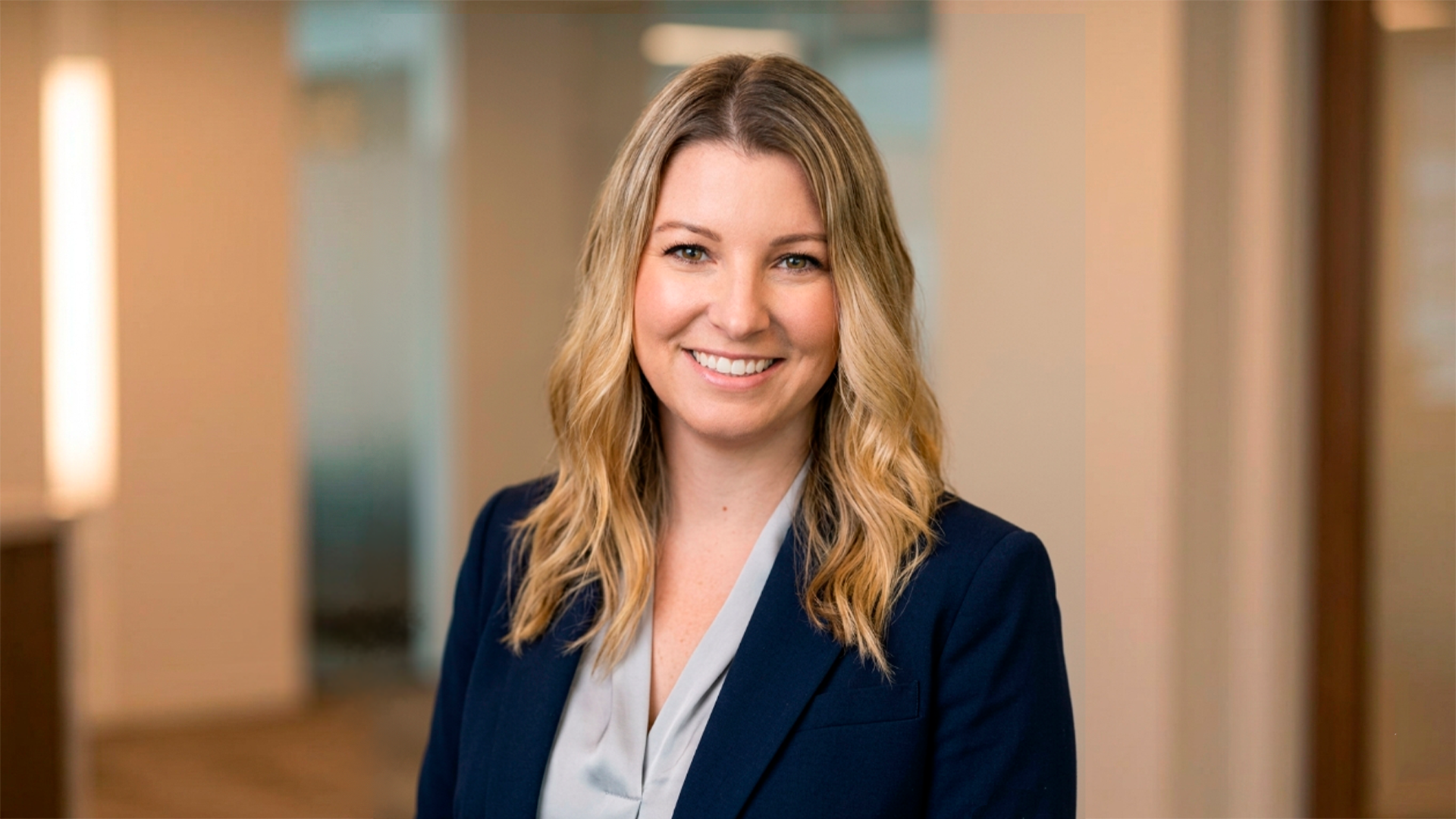
Julie Rich, Vice President of People and Culture at Terabase Energy, believes remote organizations must replace physical proximity with stronger management practices, clearer expectations, and more deliberate human connection.
Terabase Energy is focused on the digitalization and automation of utility-scale solar. As the company works to make solar construction faster, more scalable, and more affordable, Julie is responsible for building the culture and people systems to support that mission.
Culture Must Be Built Deliberately
Creating a unified culture is difficult in any growing organization. Doing so without a shared office introduces another level of complexity.
“It can be quite difficult to ensure that we are all marching in the same direction when we don’t sit in the same place,” Julie says.
In a traditional workplace, employees absorb parts of the culture through everyday interactions. They observe how leaders make decisions, how colleagues solve problems, and how managers respond when something goes wrong. Remote organizations cannot depend on those moments happening naturally.
They must turn culture into a deliberate operating practice.
Julie considers building an inclusive, high-performing remote culture one of her proudest professional accomplishments. Terabase Energy’s employee engagement results have remained strong year after year, giving the company a measurable indication that its approach is working.
For Julie, however, culture is not built through company messaging or virtual events alone. Employees experience it most directly through their relationship with their manager.
Better Managers Build Stronger Remote Teams
Recognizing the influence managers have on the remote employee experience, Terabase Energy worked with Mindy Honcoop, founder of Agile in HR, to help its management team lead more effectively across different locations.
Mindy has spent 26 years working in the people function, including serving as a Chief People Officer. Through Agile in HR, she advises and coaches leaders at growing companies on the people systems required to scale.
Her work is based on the idea that organizational transformation begins with people. New processes and management frameworks can create lasting change only when leaders understand how to guide employees through them.
Julie describes the partnership as highly effective. Managers left the sessions feeling better equipped to communicate, support employees, and manage performance without relying on physical proximity.
The results were reflected in subsequent performance reviews and employee feedback. Management became the highest-rated category in Terabase Energy’s engagement survey, with employees reporting that more than 97 percent of their relationships with managers were favorable.
The outcome illustrates an important lesson for distributed companies. Remote management is a distinct leadership capability. Executives cannot assume that someone who performed well in an office will automatically know how to lead effectively from a distance.
Managers need practical guidance on setting expectations, maintaining trust, spotting problems early, and helping employees feel connected to work across the organization.
Humanity and Performance Are Not Opposing Ideas
Julie’s approach is grounded in servant leadership. She does not believe in asking a team member to do something she would be unwilling to do herself.
The principle guiding her decisions is equally direct: humanity first.
When an employee is underperforming, Julie believes leaders should seek to understand what may be happening beneath the surface of the immediate behavior. Personal circumstances outside work may be affecting that individual’s ability to perform, and the right support can make a meaningful difference.
“Understanding the picture of the full person is so important,” Julie explains.
This does not mean lowering expectations. It means combining accountability with context. Strong leaders can maintain high standards while still treating employees as whole people.
That perspective matters especially in remote organizations, where managers may see only a narrow part of an employee’s daily experience. Without regular and intentional communication, it becomes easy to interpret distance as disengagement or struggle as indifference.
People Leaders Must Believe They Belong
A defining moment in Julie’s own leadership journey came when she confronted her impostor syndrome.
“If I want HR to have a seat at the table, I have to feel like I deserve my seat there first,” Julie says.
Her realization reflects a larger shift across the people function. People leaders cannot operate only as administrators and expect to influence the direction of a growing business. They must understand company strategy, participate confidently in executive decisions, and demonstrate how culture affects performance.
Julie advises other leaders to “measure twice, cut once.” That means checking the data, verifying sources, reviewing documentation, and paying attention to details before acting. In a people function, one poorly considered decision or communication can affect trust across an entire organization.
Looking ahead, Julie is focused on supporting Terabase Energy’s continued growth in the United States and internationally while maintaining the culture that has helped the organization succeed.
The legacy she hopes to help create is clear: a company that revolutionized solar with a conscience.